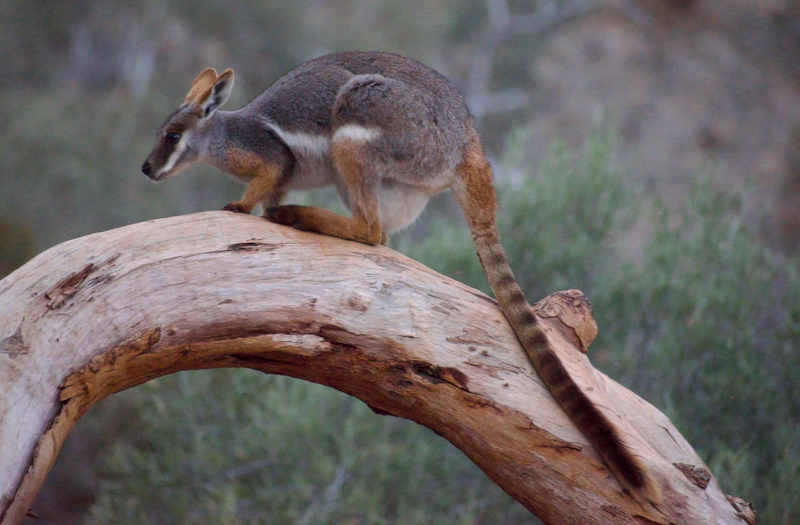
Yellow-footed rock wallabies have been saved from extinction by initiatives such as the Bounceback program in South Australia’s arid ranges, including the Flinders and Gammon Ranges. Read more about these delightful outback characters on the South Australian Arid Lands Natural Resources Management Board factsheet.
Female yellow-footed rock wallaby carrying young in her pouch at Arkaroola Village.
According to a wave of anecdotal evidence from Beltana, Leigh Creek, Warraweena, Copley and across the district, Echidnas are being sighted in surprising numbers. The number of echidna sightings in the Northern Flinders Ranges is rapidly rising, but not much is known about the populations of these elusive little monotremes in our area. The following information and links come from the Atlas of Living Australia who are hosting the citizen science project Echidna CSI. This exciting project invites you to contribute reports of your echidna sightings – past, present and future!
“Although an iconic native Australian animal, we do not know much about echidnas’ wild populations, as they are extremely hard to find (when you’re actually looking for them). However, we know that there are many of you that have seen wild echidnas (sometimes even in your own backyard!) and taken photos or videos of them. With your help and photo taking abilities we can start filling in the gaps about wild echidnas in Australia.
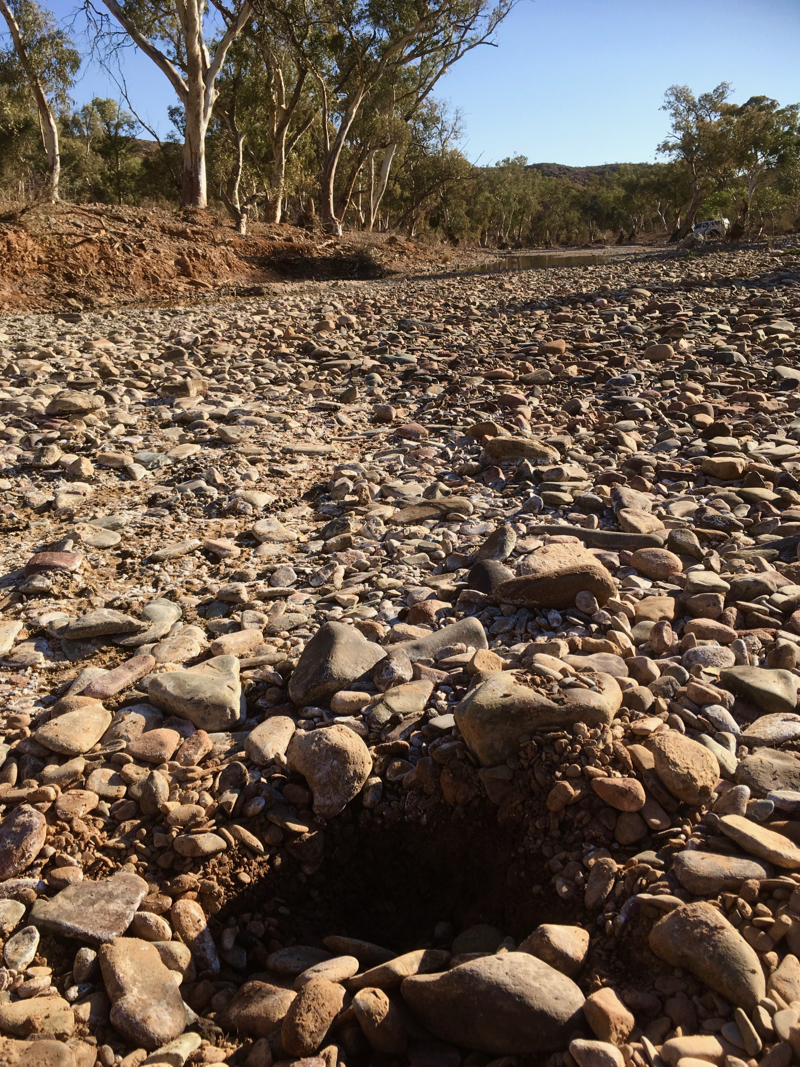
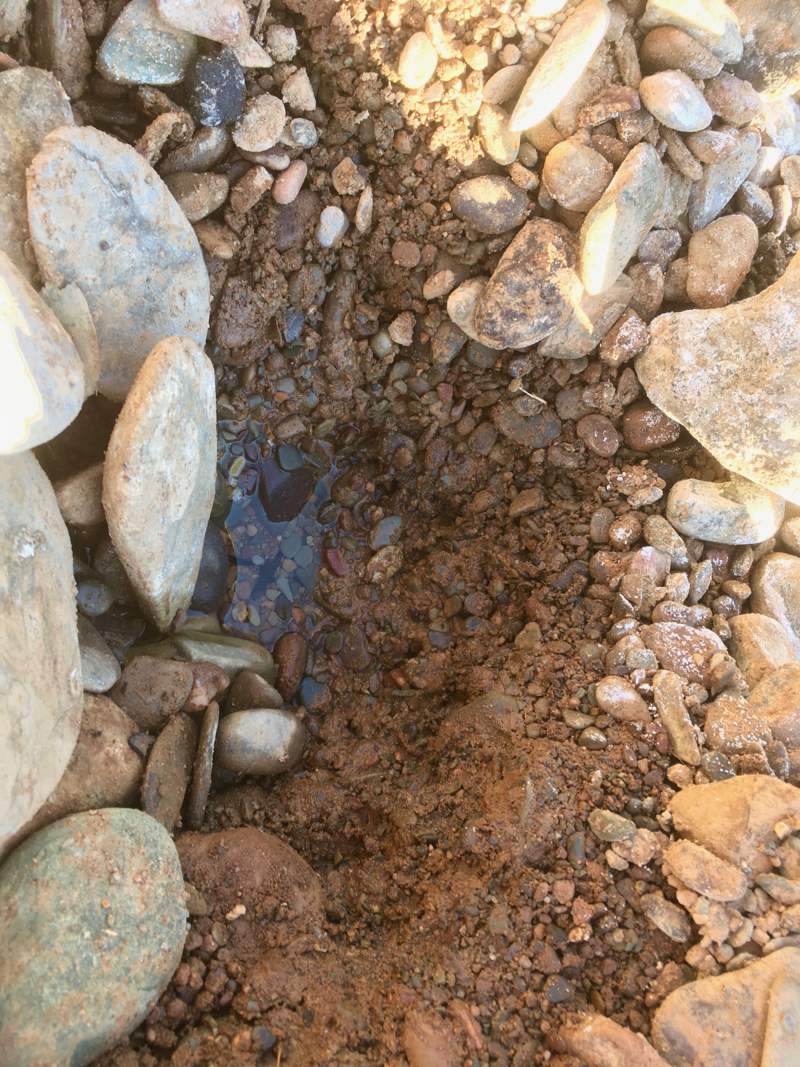
What we also need help with is collecting echidna scats (which is a nicer way of saying poo). Why? Because we can get a lot of information about echidnas through the molecules in their scats. We can get out DNA and hormones to tell us who that echidna is, if it’s healthy, stressed or reproductively active. And so we can learn more about these wild populations without having to track or capture any of these animals.”
Get Involved! There are a couple of options for submitting data
Use EchidnaCSI app to record and submit sighting on the spot:
Download the app and have it ready to take a photo at your next sighting.
Sign up to the Atlas of Living Australia website and lodge your sighting. Even if you didn’t get a chance to take a photo, you can still submit a date and map marker of your Echidna sighting.
The short-beaked echidna (Tachyglossus aculeatus) seen in Jubilee Creek near Copley
The Great Crested Grebe (Podiceps cristatus), seen here in its breeding waters of Copley Retention Dam, is classified as a Rare species and is protected by South Australian National Parks and Wildlife Act 1972. This species was also nominated in 2018 for federal protection under the Environmental Protection and Biodiversity Conservation Act 1999.