The leopard marked Short-horned Grasshopper of the Stropsis genus are prolific in the Northern Flinders Ranges in May, perhaps relating to floods in April.
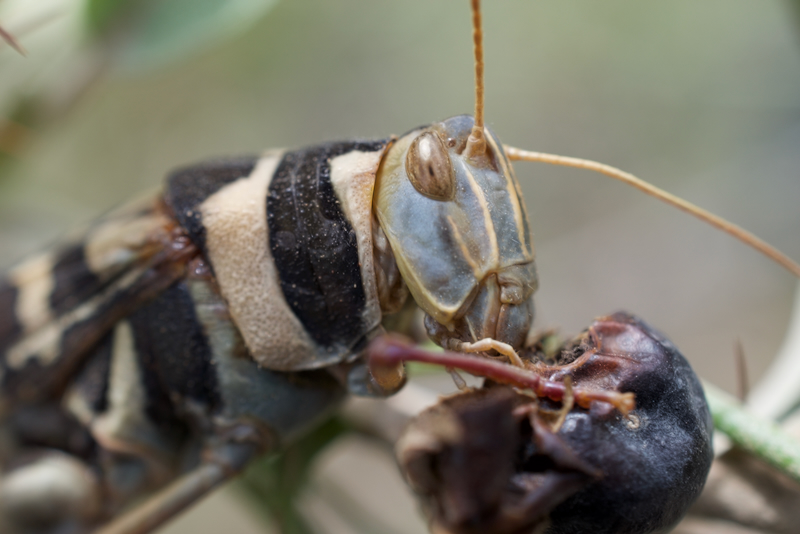
The leopard marked Short-horned Grasshopper of the Stropsis genus are prolific in the Northern Flinders Ranges in May, perhaps relating to floods in April.
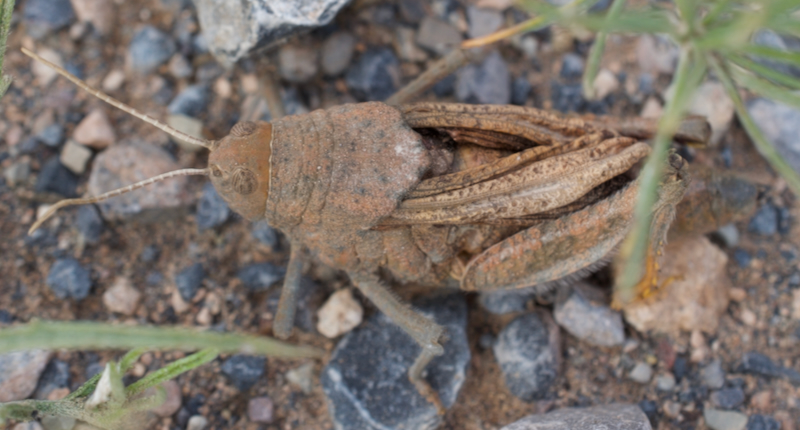
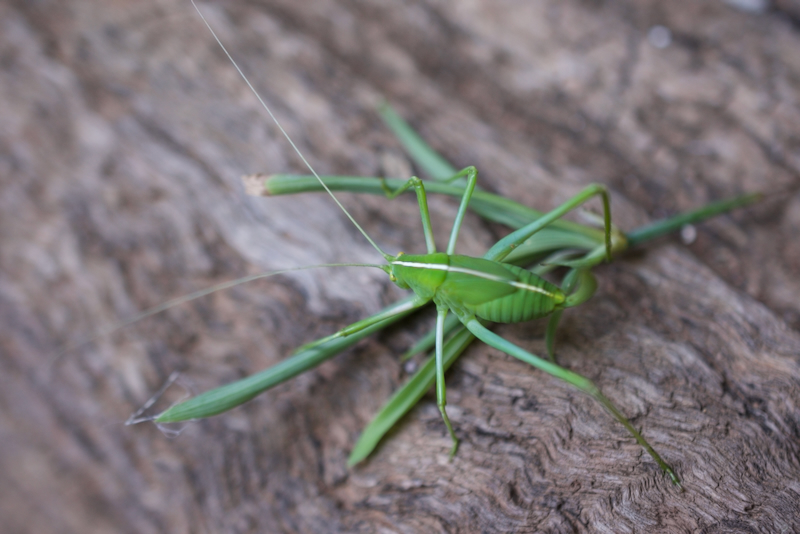
This grasshopper near Mt Serle in the Northern Flinders Ranges is yet to be identified. Approximately 30mm long. Let us know if you can identify it!
If you like a challenge, keep an eye on the Can you identify this? category on this site.
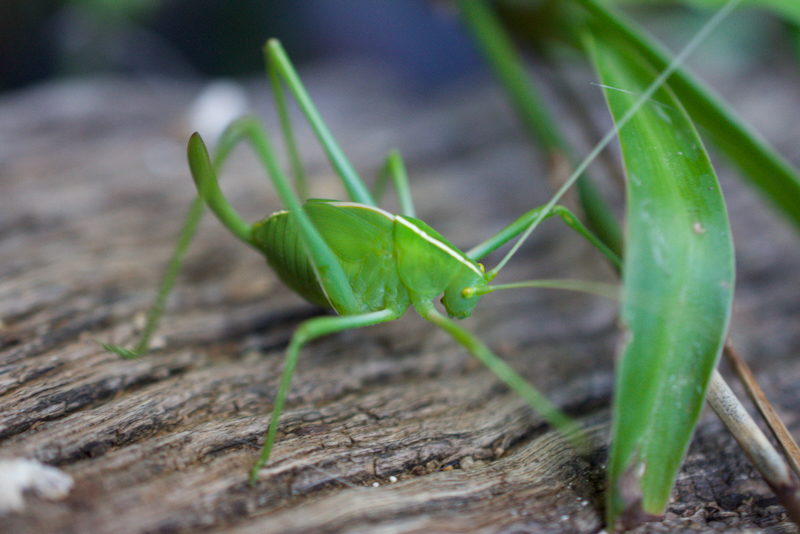
Juvenile predatory katydids hunt caterpillars and other insects. Built for ambush, they behave quite differently to their plant-eating cousins. Katydids belong to the order Orthoptera, which also includes crickets and grasshoppers.
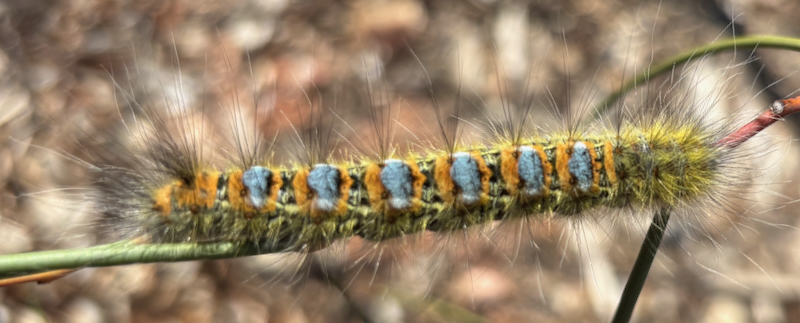
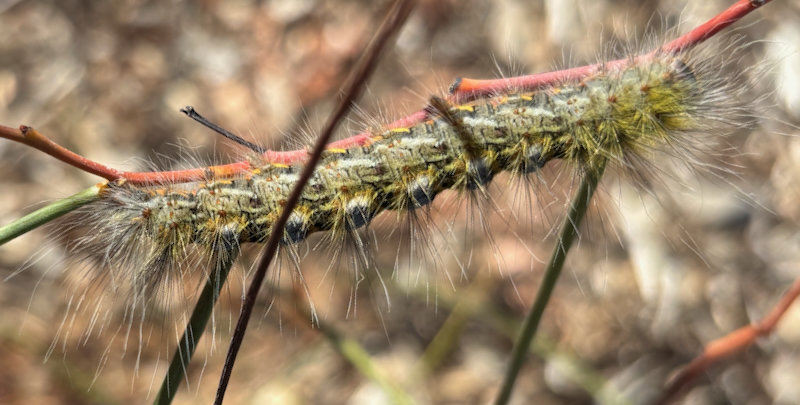
This brightly coloured moth larvae is feeding on Balcanoona Wattle (Acacia araneosa), an endangered, endemic plant growing in the Copley Botanic Gardens in the Northern Flinders Ranges. We haven’t identified the species, but the SA Museum Discovery Centre staff suggest that is is most likely belongs to the subfamily Thaumetopoeinae. This subfamily also contains the processionary caterpillars, which follow each other in a “chain” in search of food.
It appears to be an unlisted species, but we have had some notable speculation in the direction of the family Anthelidae (anthelid moths) who are known to feed on acacias. Viewing of the head features would be key to confirming that, so send us a photo if you see this caterpillar.
If you like a challenge, keep an eye on the Yet to be identified category on this site.
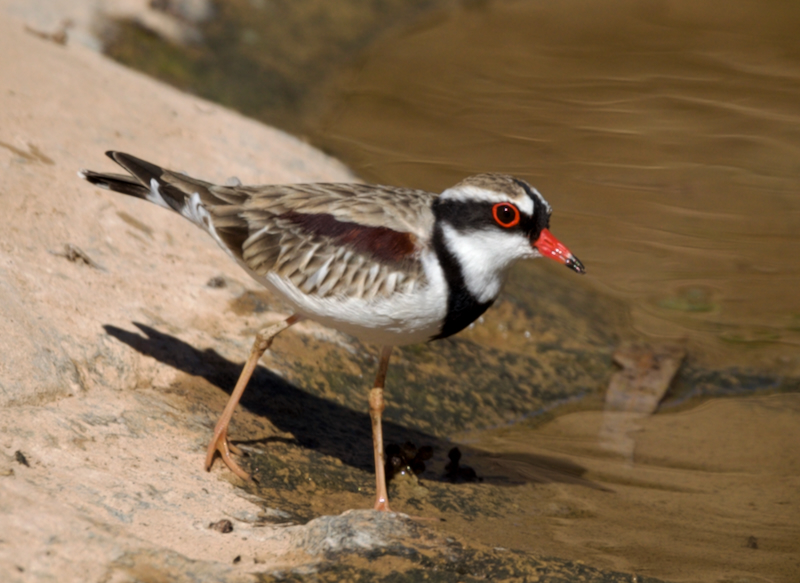
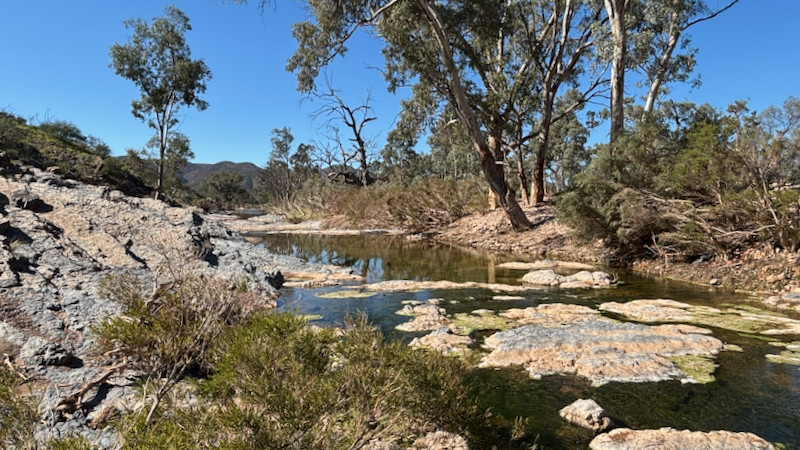
After years of drought, shorebird Eleyornus melanops, the Black-fronted Dotterel made an appearance in Vulkathunha National Park in the northern Flinders Ranges. Sighted here at John Crossing, a spring that has been flowing since recent flooding rains.
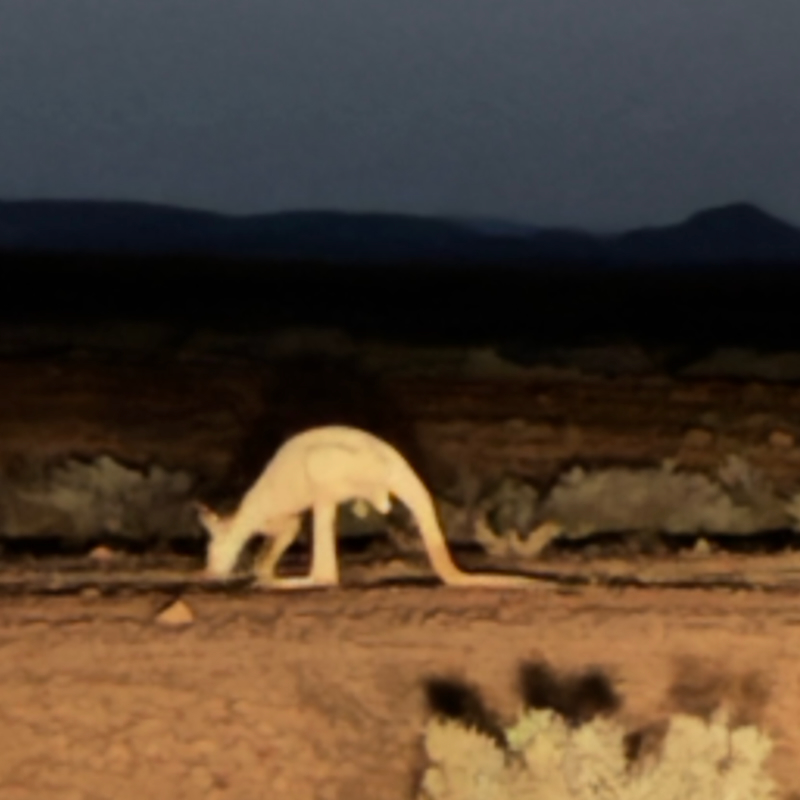
An albino red kangaroo has been glimpsed by the roadside near Lyndhurst. In addition to an earlier sighting near Hawker, there is anecdotal evidence of more albino kangaroos in the Flinders Ranges.
Sand Monitor (Varanus gouldii gouldii), also known as the Gould’s Goanna or Sand Goanna, paid a visit to the Copley community vegetable garden in the northern Flinders Ranges.

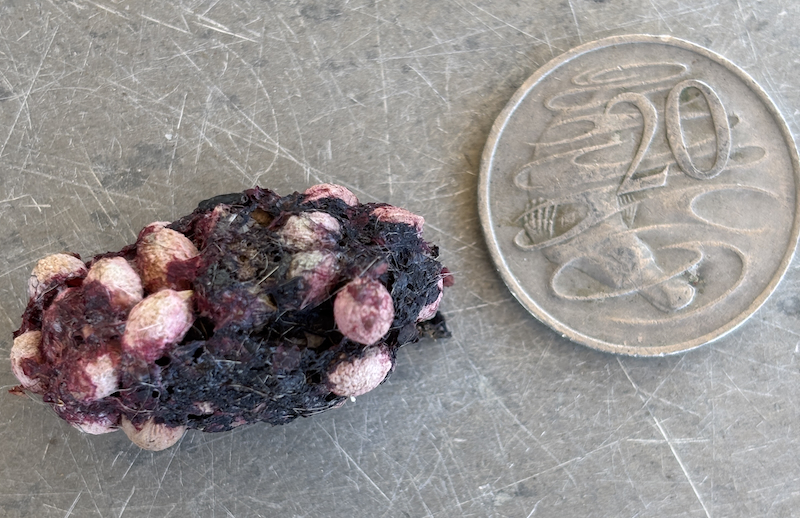
Some birds—including raptors, corvids, and kingfishers—regurgitate compact, undigested masses called pellets (or castings). These can contain indigestible material such as seeds, insect exoskeletons, bone fragments, and fur.

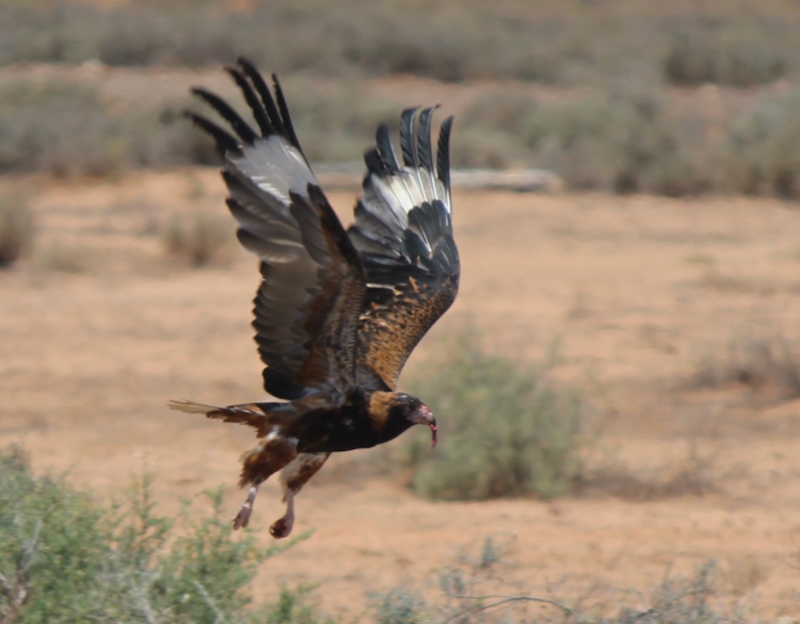
The Black-breasted Buzzard (Hamirostra melanosternon), a hawk species usually found across northern Australia, has recently been observed over Copley in the northern Flinders Ranges. Smaller than the familiar Wedge-tailed Eagle, it stands out with bold white wing panels and sharply defined black “fingers” at the wingtips. Its rust-coloured nape feathers form a small crest, giving it a distinctive profile when perched. The species feeds on carrion, small animals, birds, and insects, and is known to crack open emu eggs with a stone.
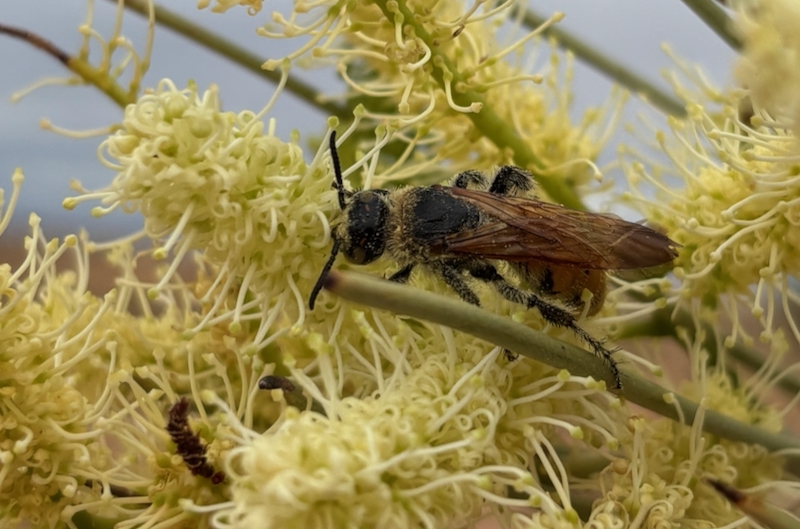
Male Flower Wasp feeding on Grevillea nectar near Lyndhurst in November. Body length approximately 25mm.