
Sap of Acacia victoriae, known locally as Minga, is a bush tucker candy.

Nitraria billardierei, commonly known as Nitrebush, is a spreading perennial seen here in the saline clays around Copley. The sour, salty fruit is a bush food, eaten raw or made into jams and sauces.


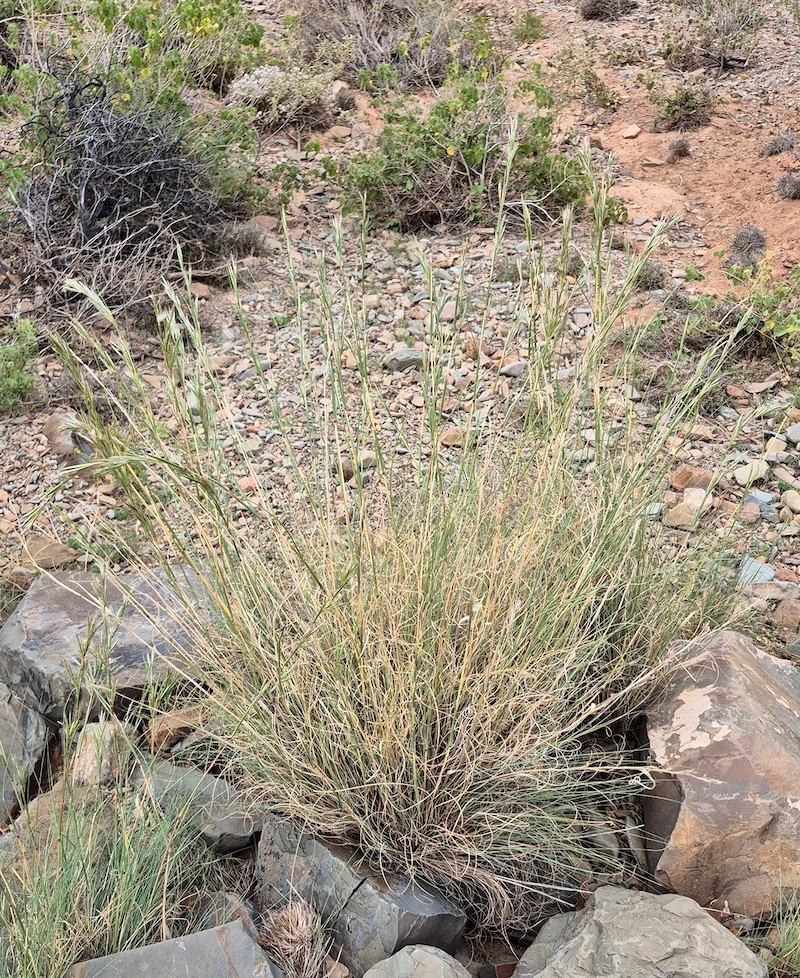
Lemon Scented Grass, Cymbopogon ambiguus, has a sweet, aromatic lemon aroma and is palatable as a tea. Found throughout the Flinders Ranges in shales, rocky creeks and gullies. 
Santalum acuminatum, also known as the Desert Quandong or Wild Peach, is a nutritious bush tucker. Fruit ripens with warm northerly winds between August and October. Quandong fruit is very high in vitamin C and can be harvested when fresh or dried. Nuts contain rich edible kernels with antibacterial properties.
Capparis mitchellii, known locally as Iga, is found in groves around creek banks and valleys of the western Flinders Ranges and Gammon Ranges. The Iga is a larval host plant for the Caper White Butterfly.
Halosarcia samphires are seen in saline areas. Succulent, salty greens (turning red in winter) are a tasty bush tucker.
Local Boobialla (Myoporum montanum), known locally as Myrtle, commonly seen around water catchments in the Flinders Ranges.


Known as the bush banana, native pear or Mayaka, Marsdenia australis is a climber produces palatable fruit early in the season. Here is a near developed seed pod (70mm), too fibrous to eat. On maturity it would naturally split open and release fluffy plumes of airborne seeds.


