African Boxthorn (Lycium ferocissimum), introduced from Africa for spikey hedge fences, is considered a noxious weed. With similarities to Goji Berry, the fruit (when ripened to red) is edible. Seen here fruiting in October at Warren Gorge, near Quorn.
The spiny daisy (acanthocladium dockeri) was first discovered by Dr Hermann Beckler (of the Burke /Wills expedition) in 1861 near Menindee (Pamamaroo), NSW. The specimen was sent back to the Royal Society and described and named by Dr Ferdinand Mueller. A further specimen was unable to be located until a discovery in 1910 at Overland Corner (near Kingston-on-Murray). Many years later, the species was pronounced extinct – until, in 1999, a local farmer discovered an outcrop near his farm, not far from Laura. The species is being translocated by environmentalists seeking to recover the plant from its present situation, critically endangered.
Spiny daisy (acanthocladium dockeri) flowering early October, 2024, near Laura
Halgania cyanea, known as Rough Halgania, is a small sub-shrub that is widely distributed throughout Australian arid lands, and is also adaptable to temperate climates. A variable species, its growth habit at Crystal Brook in the southern Flinders Ranges is small and sparse (up to 25cm), with flowers (>10mm) with slightly rounded petals in early spring.
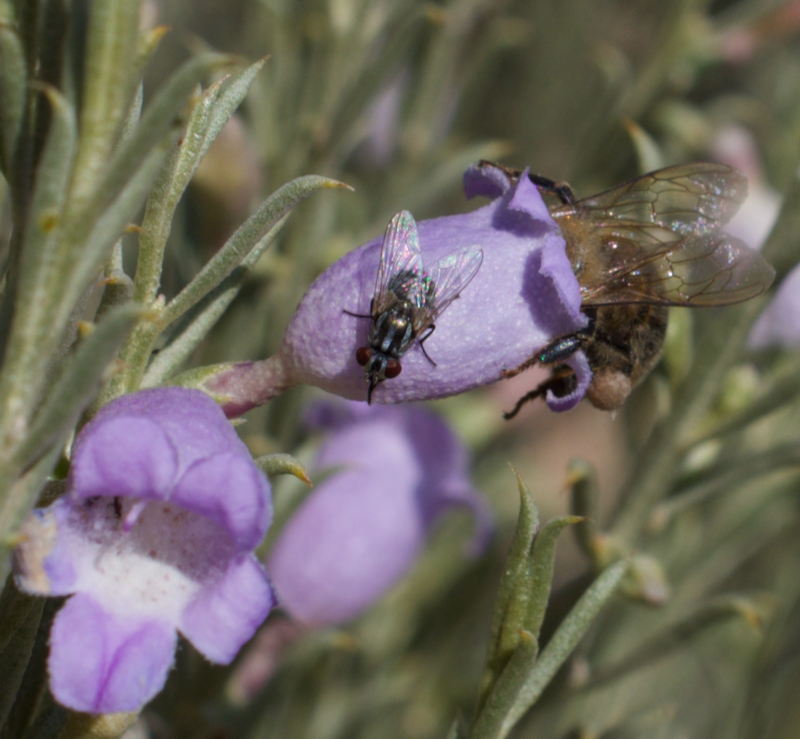
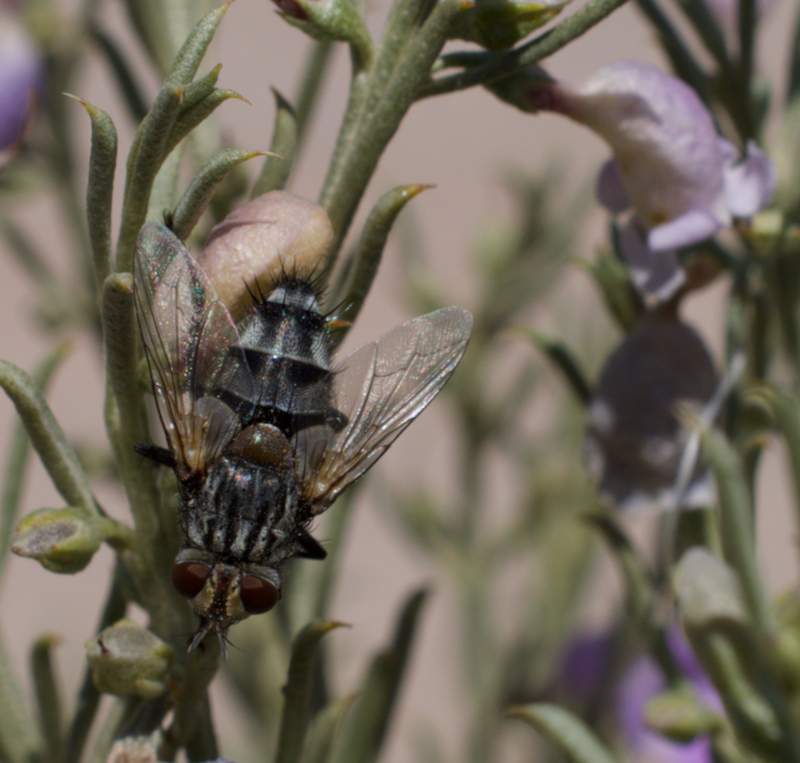
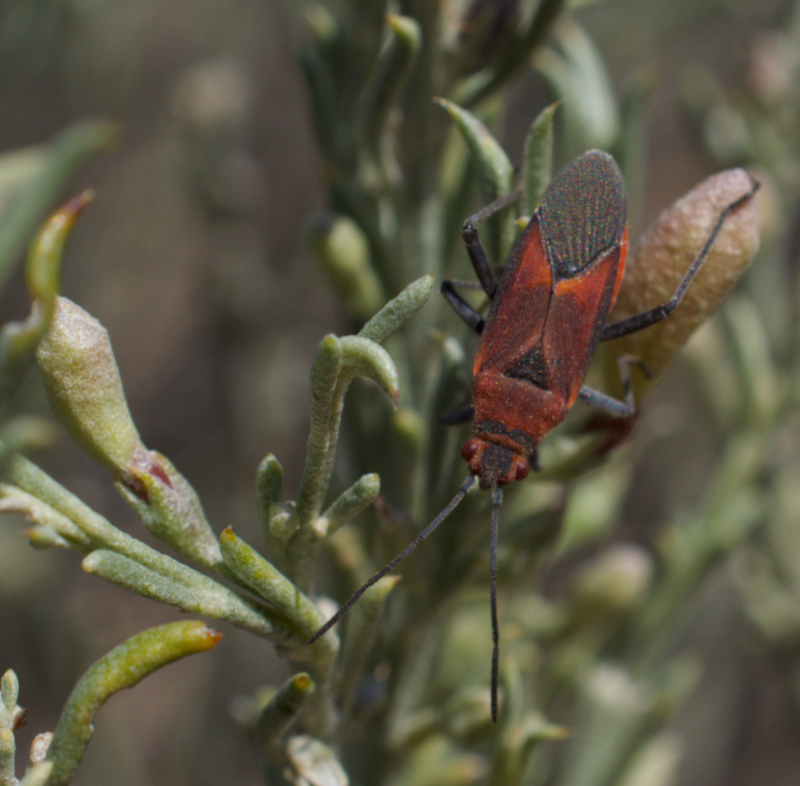
A stand of flowering Eremophila scoparia (Broombush) in Parachilna Gorge was teeming with insect life in spring.
Some Eremophilas have long slender flowers for birds, and others have rounded cup shaped flowers for insects. Scoparia is the perfect size for a European honey bee. Tachinid FlyLadybeetle (Coccinella)Red Eyes Bug (Leptocoris mitellatus)Continue reading “Insects in Eremophila Scoparia”