
Dragonflies at Stubbs Waterhole, Arkaroola, in December.
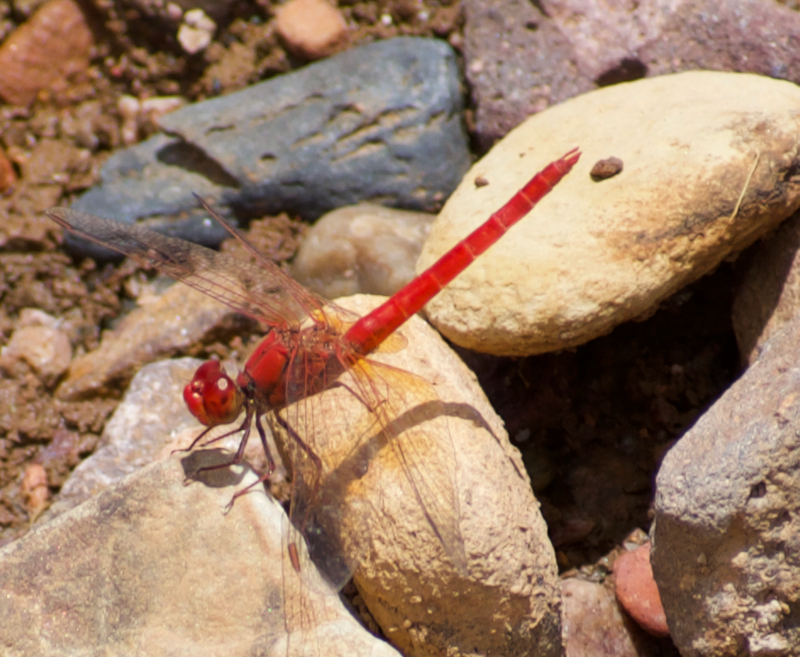
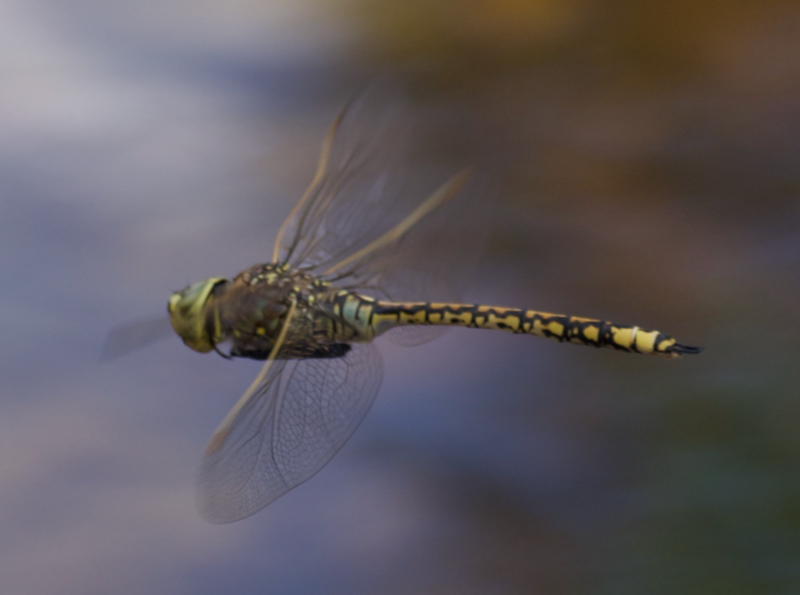
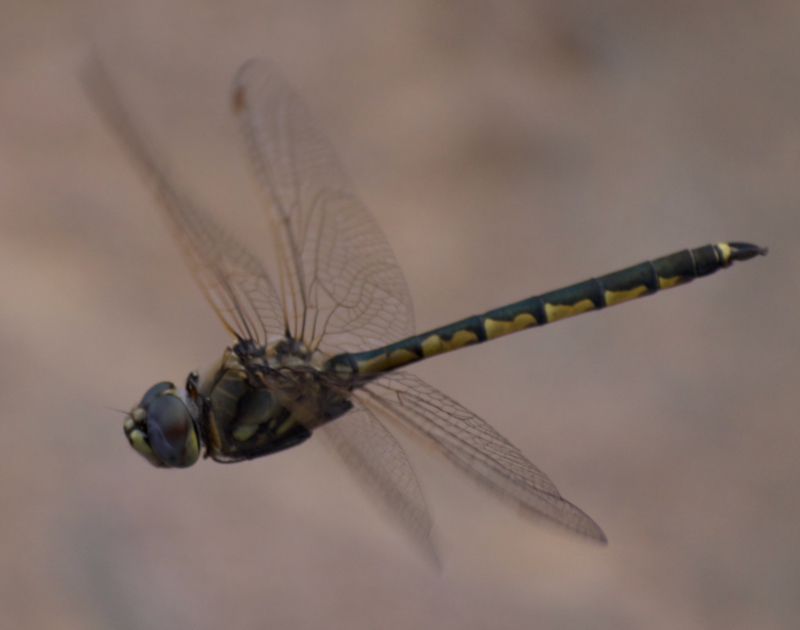
Dragonflies at Stubbs Waterhole, Arkaroola, in December.
Sida petrophila, Rock Sida, flowering in the damp clay soil at Arkaroola after rains.


Willy Wagtail coming in for water at Stubbs Waterhole at Arkaroola takes a rest on the glacial rock of the Merinjina Tillite formation.

Melaleuca glomerata is known as White Tea-tree, Inland Tea-tree, Inland Paperbark or Desert Paperbark. It is typically seen throughout the Flinders Ranges in watercourses and is a good indicator of soaks and springs. Flowering profusely at Stubbs Waterhole, Arkaroola after early summer rain.


Caper White Butterfly (Belenois java) feeding on Cattlebush, Stubbs Waterhole, Arkaroola in mid winter. Caper White Butterflies are a migratory species breeding inland on caper bushes (various species of the genus Capparis such as the Iga) and Australian Sandalwood. In some years, the adults disperse towards the coast as far south as Tasmania despite their food source being largely confined to semi arid locations such as the Flinders Ranges. More information on the Caper White Butterfly here.


Tree Martin seen feeding on insects in flight and returning regularly to a nest in the high hollow of a Eucalyptus tree, Arkaroola.

Ptilotus exaltatus flowers light up the hills of Arkaroola in the late afternoon sun during mid winter.

Arkaroola offers an extraordinary astronomy experience with a remotely controlled observatory stacking high definition images within seconds. Doug Sprigg is at the helm of the SkyX Pro console of a breathtaking live tour of the southern sky, including views of galaxies, planetary nebulae, globular clusters and our nearby gas giants.
More on Arkaroola’s three observatories on the Arkaroola website.
The endangered, highly localised and somewhat ethereal Balcanoona Wattle (Acacia araneosa) is not easy to spot in the bush but fortunately can be viewed in a garden plantation at Arkaroola Village.
