
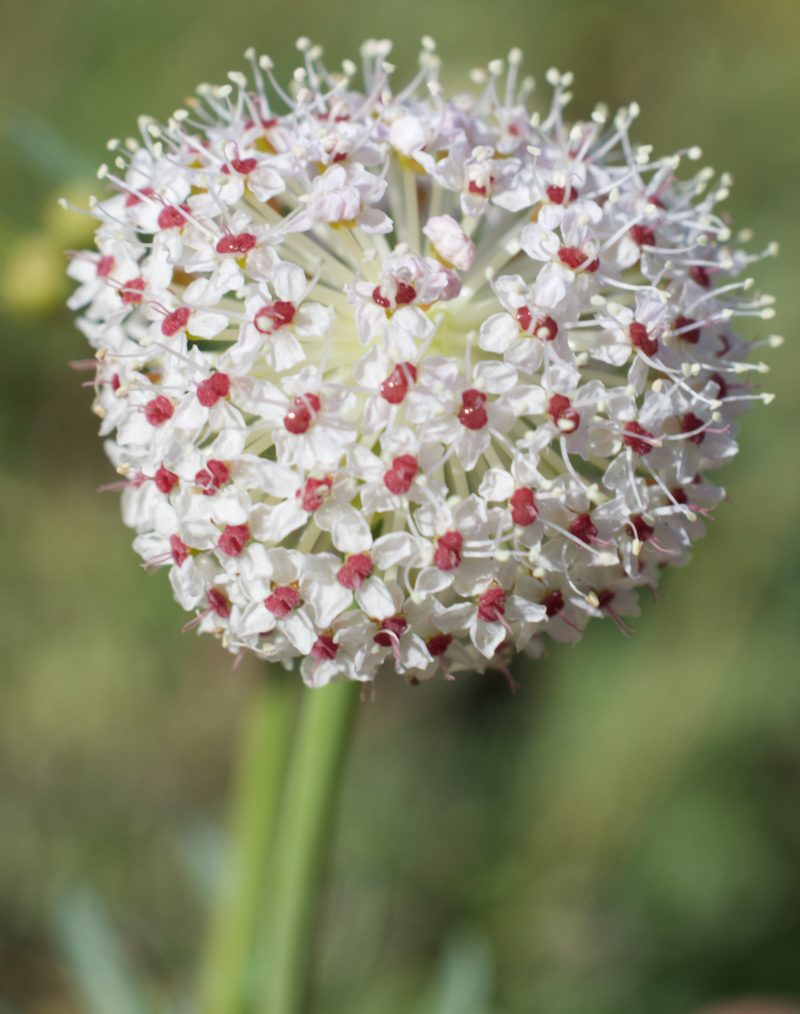
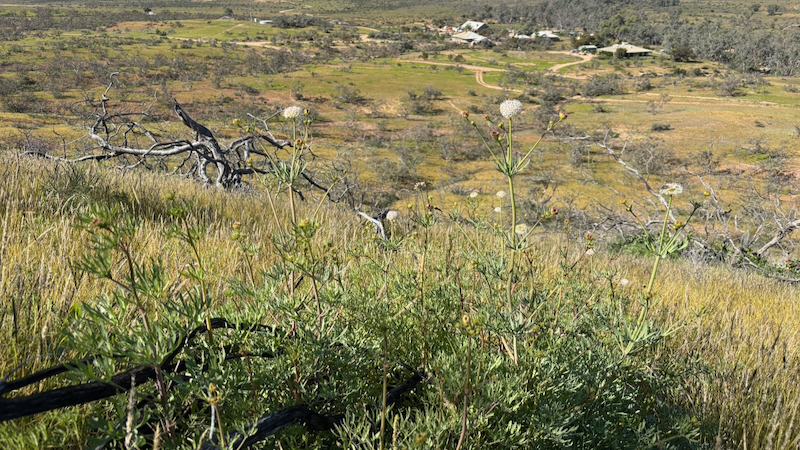
Trachymene glaucifolia, known as the Native Carrot or Wild Parsnip, flowering on the lookout at Balcanoona Ranger’s Quarters.
A geological unconformity is an unconformable contact between two different lithologies. In the case of this formation in Jubilee Creek in the Northern Flinders Ranges, stromatolitic limestone of the Balcanoona Formation overlays laminated mudstone of the Tapley Hill Formation.
These two formations followed the melting of an ice age dating 700 million years ago. “Black silt, rich in fine organic material derived from algae and bacteria, was deposited as laminations (each less that 0.5mm thick) in the calm shelf sea. The total thickness of this silt blanket (known as the Tapley Hill Formation) increased from a few tens of metres in the west to about 3km in the ranges east of Hawker. Here depth of water and rate of subsidence of the basin floor were greatest. As silt built up, the water around the margins of the basin became shallow enough for stromatolites and oolite banks to form; these are exposed near Port Augusta and Balcanoona [Balcanoona Formation].” – Excerpt from The Legacy of Time: The Story of the Flinders Ranges by the Royal Geographical Society of South Australia.

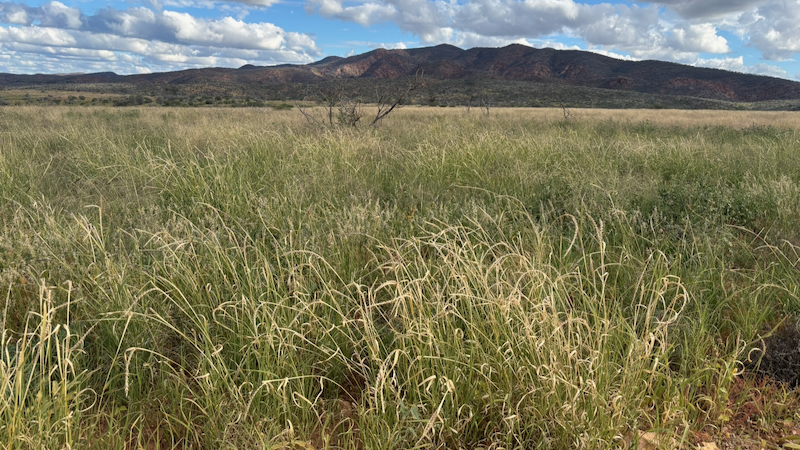
Trachymene flowering on the plateau between Italawi Gap and Balcanoona Station in November.

Capparis mitchellii, known locally as Iga, is found in groves around creek banks and valleys of the western Flinders Ranges and Gammon Ranges. The Iga is a larval host plant for the Caper White Butterfly.
