
The semi-parasitic Jointed Cherry, Exocarpos aphyllus, flowering on the Copley Commons in November. Flowers approximately 2mm. Host to Case Moth larvae.
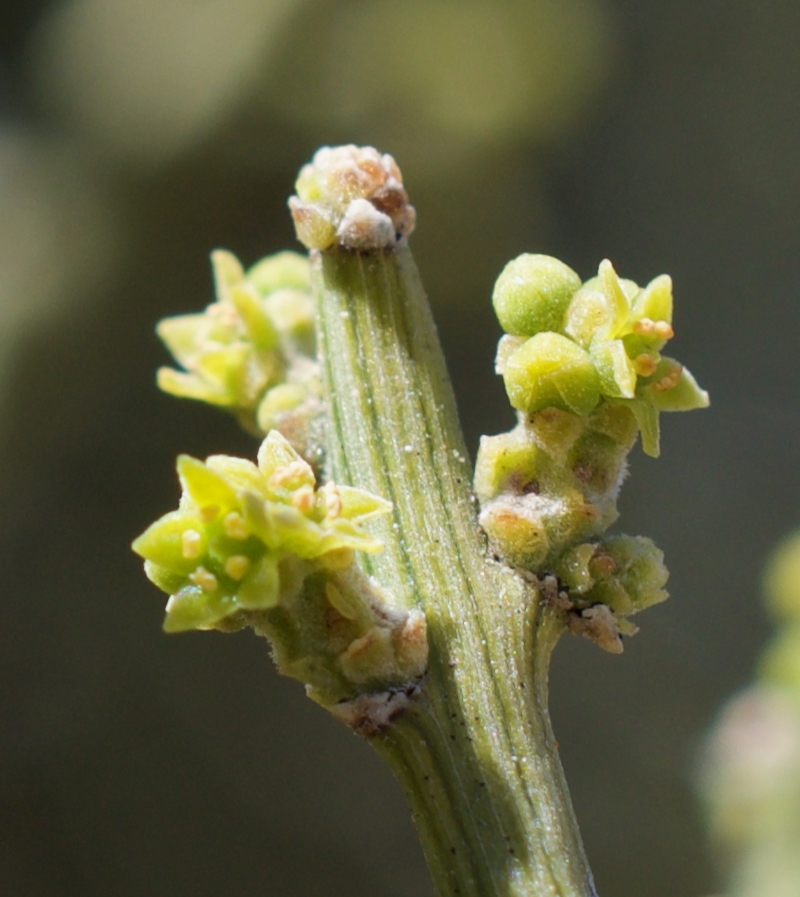
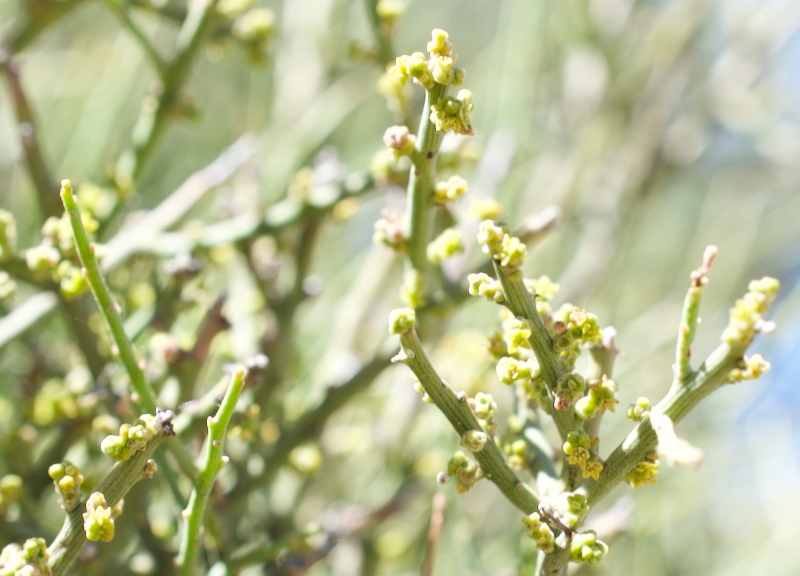
The semi-parasitic Jointed Cherry, Exocarpos aphyllus, flowering on the Copley Commons in November. Flowers approximately 2mm. Host to Case Moth larvae.
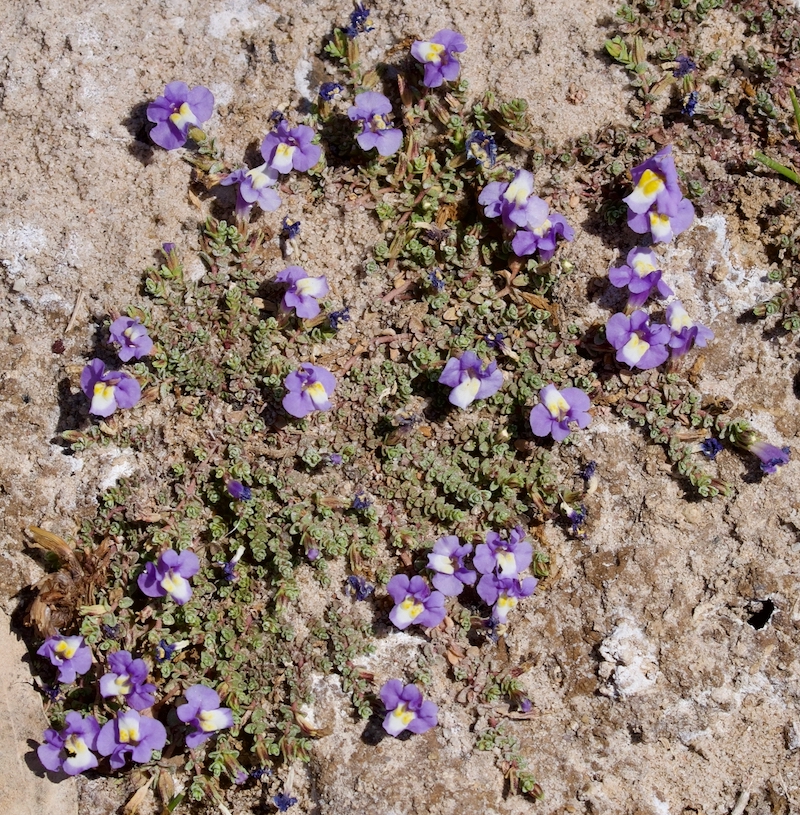
Thyridia repens, the Creeping Monkey-flower, is a prostrate marginal water plant native to Australia and New Zealand. A prolific groundcover on the banks of Retention Dam, Copley.
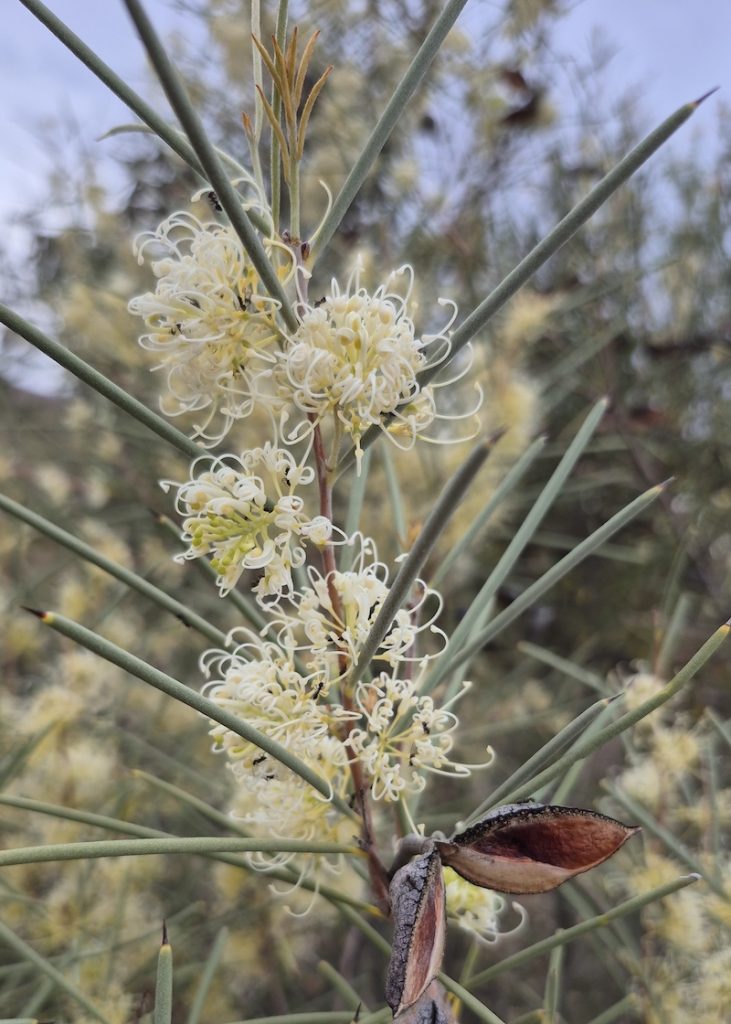
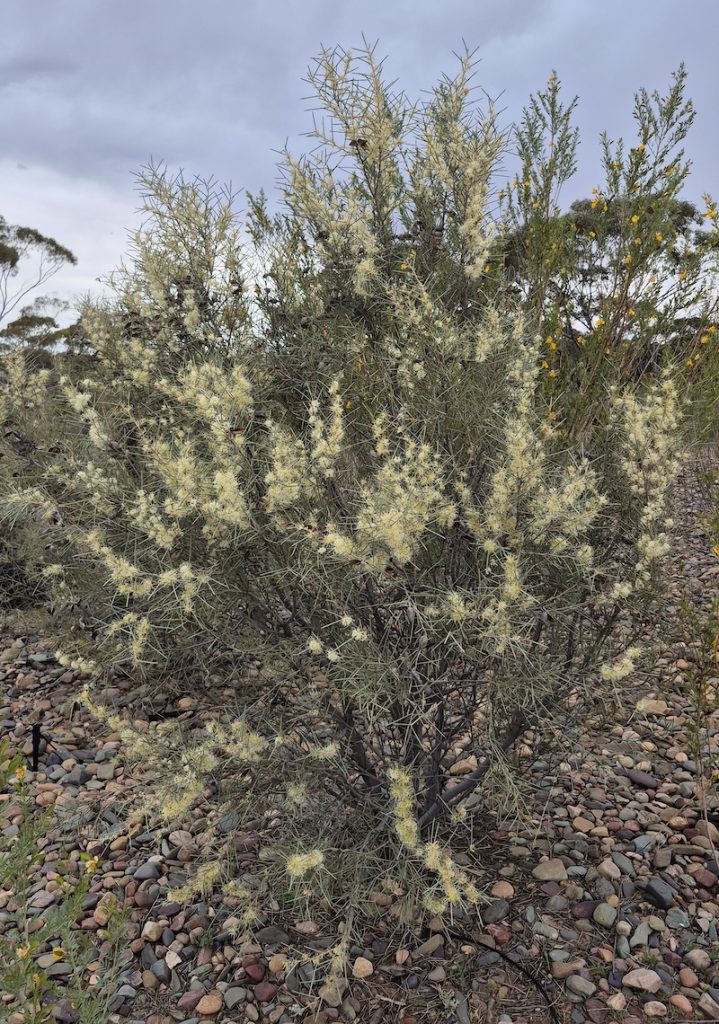
Hakea Leucoptera, the Pin Bush or Needle Bush, flowering at the Leigh Creek entrance.
Marsdenia australis, also known as the bush banana, native pear or Mayaka, is a climber producing edible fruit. Flowering in the Flinders Ranges in November.

Boerhavia species, known as Scarlet Spiderling, found in Africa, North America and Australia. Flowering in the Copley area, northern Flinders Ranges, in October.

Native Plum (Santalum lanceolatum) flowering in October.


Brilliant Hopbush (Dodonaea microzyga var. microzyga) in sand in Lyndhurst, in October.


The Gammon Ranges Fox-tail (Ptilotus propinquus) is said to be endemic to South Australia, rare, and “found in a small area in the Gammon Ranges, growing on bare shaly clay soil, on ironstone hills, gypseous breakaways or rocky gullies, with Casuarina over chenopods, or with scattered mallees“. It prefers breakaway and mesa plateau areas, and grows around Balacoona, Lake Frome and Moro Gorge.
This Ptilotus on the Copley Commons appears to be the Gammon Ranges Fox-tail, some sixty kilometres from the Gammon Ranges. The sighting was made at the site of the district Gymkhana, to which horses are transported from Nepabunna, which may offer a possible explanation as to its existence in the Copley area.


