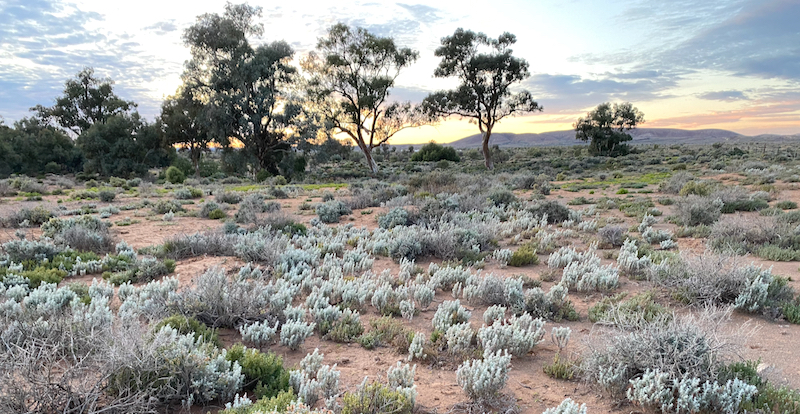
Orange Darling Pea (Swainsona stipularis) flowering in the Flinders Ranges in early spring.

Orange Darling Pea (Swainsona stipularis) flowering in the Flinders Ranges in early spring.
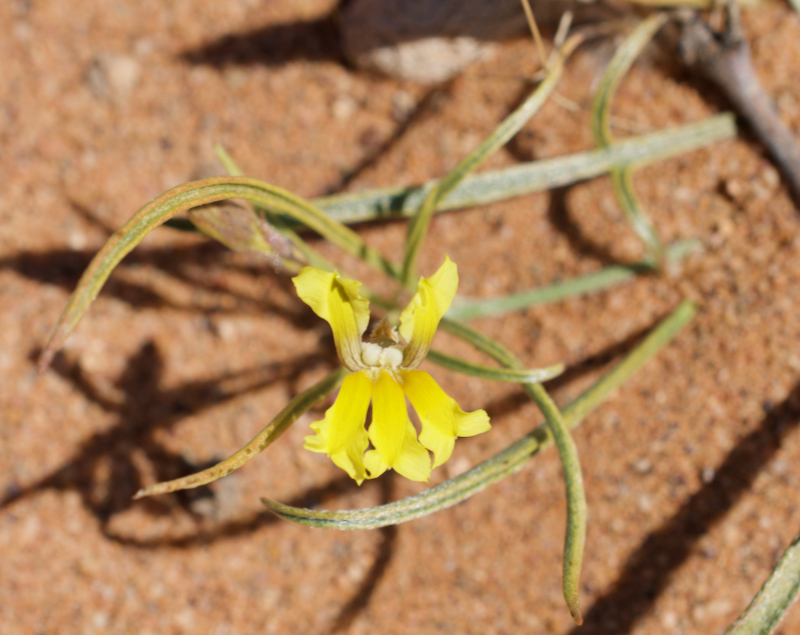
Mallee Goodenia (Goodenia fascicularis) flowering in the sand dunes at Lyndhurst, early spring.
Flower variation of Eremophila alternifolia, commonly known as Scented Emu Bush or Narrow-leaved Fuchsia-bush.

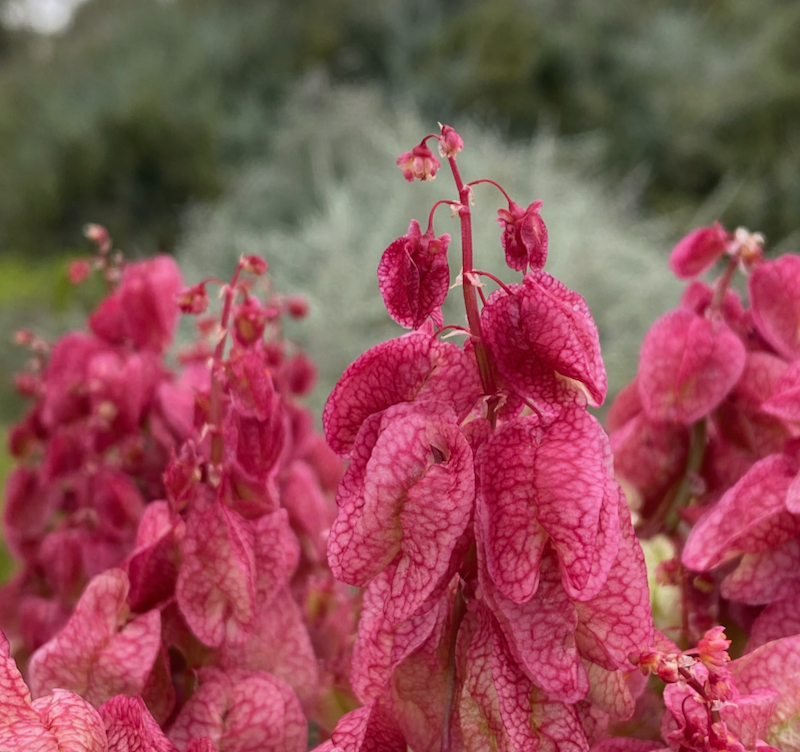
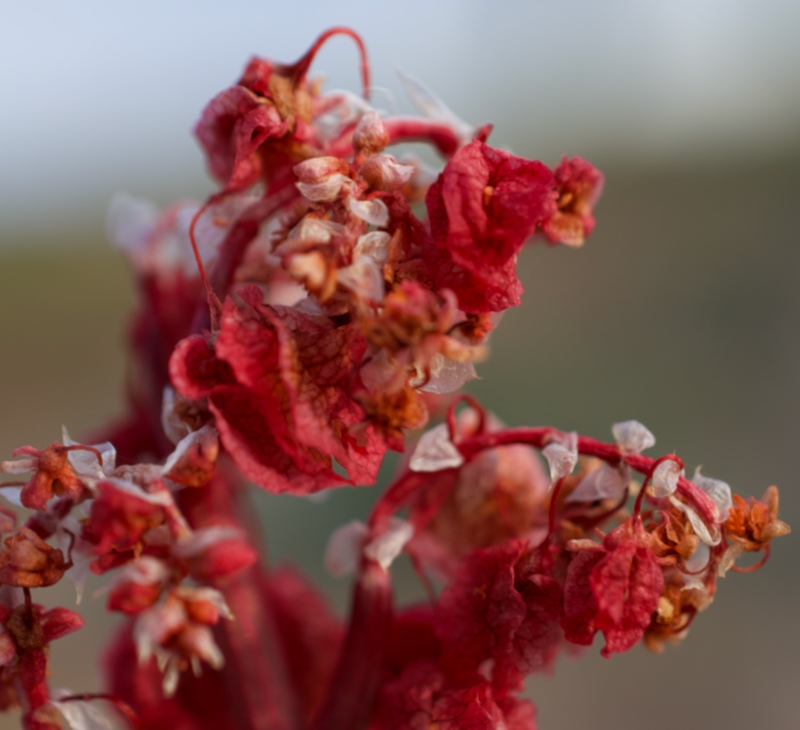
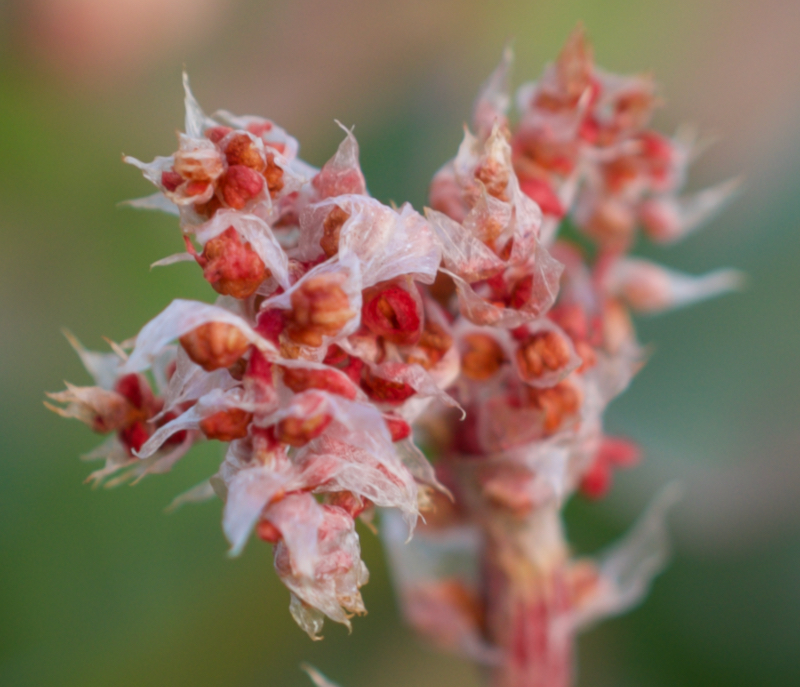
Acetosa vesicaria, known as Red Dock or Wild Hops, is thought to be introduced in the saddles of early Afghan cameleers. Responding quickly to rainfall, Wild Hops can create a stunning flush of colour through the Flinders Ranges.
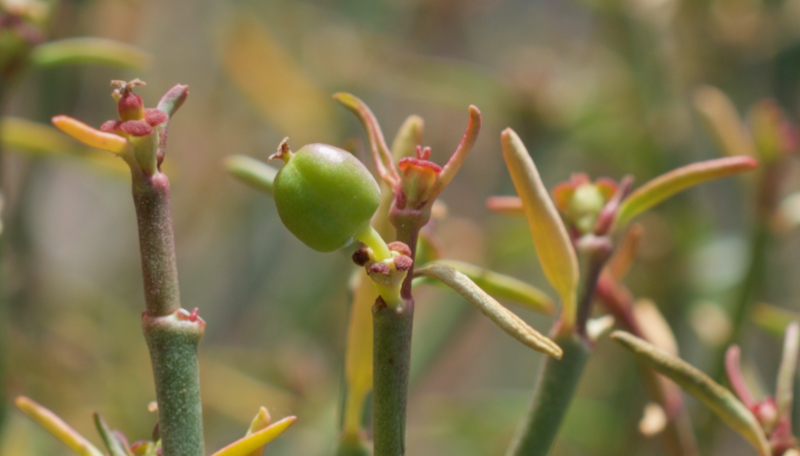
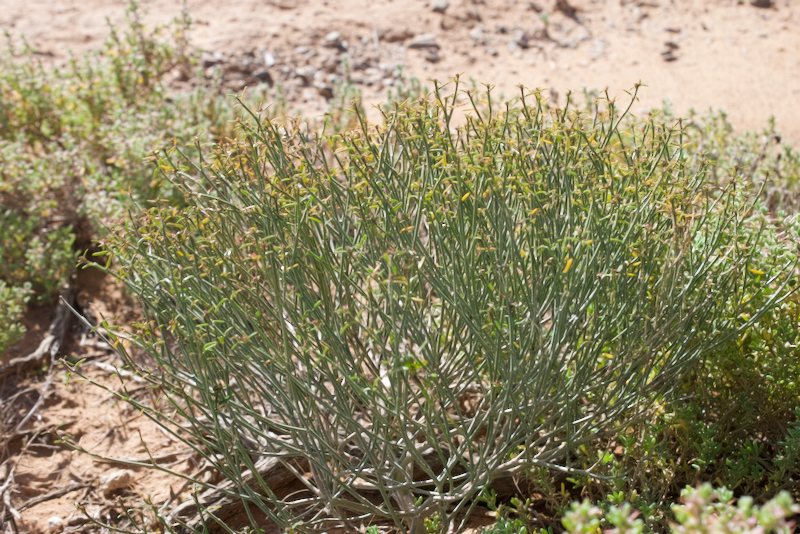
The Desert Spurge (Euphorbia tannensis ssp. eremophila) also know as Caustic Bush, Bottletree Caustic or Spurgewort is a small, short lived forb fruiting in the Northern Flinders Ranges in winter.
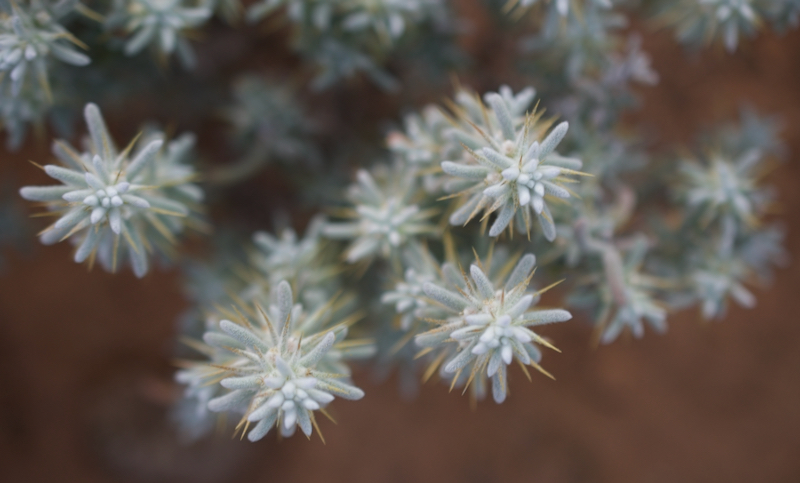
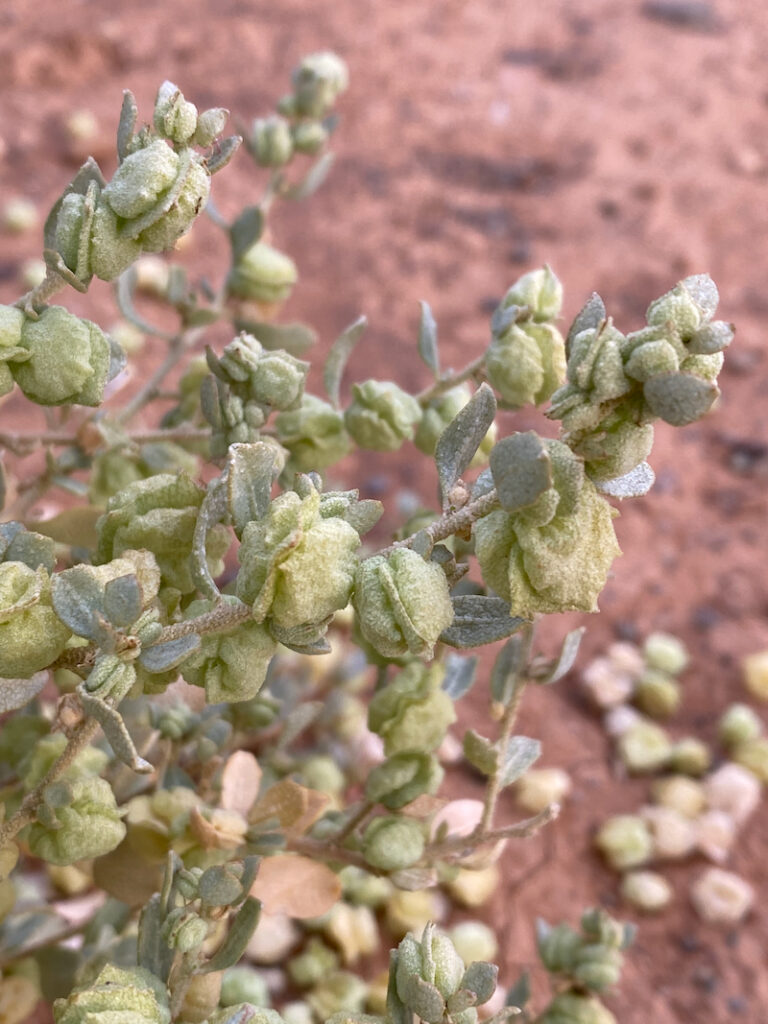
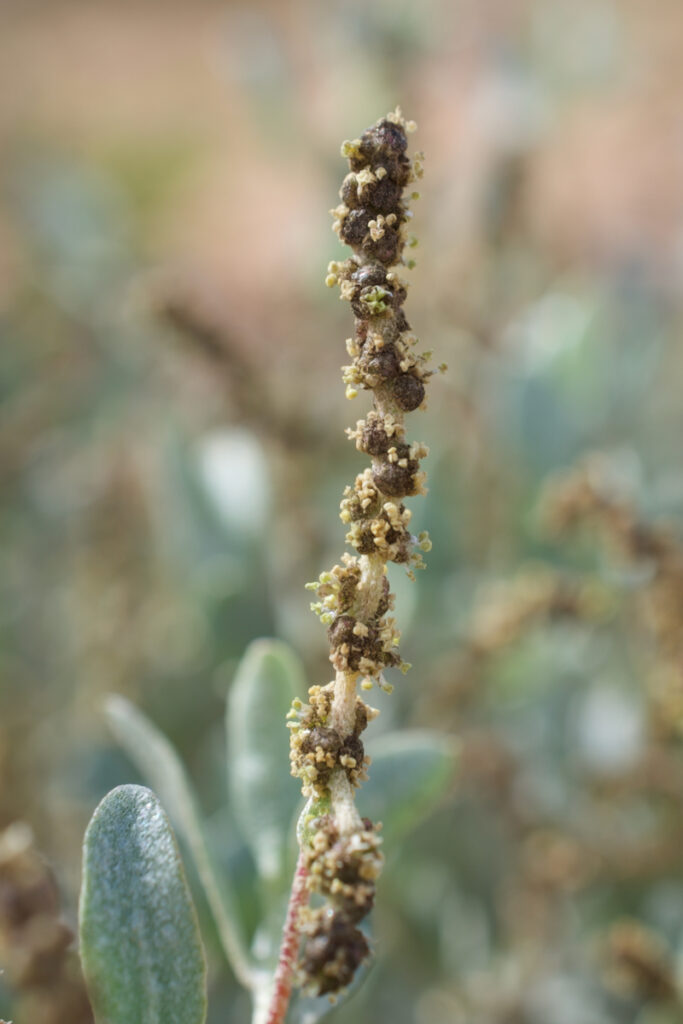
Atriplex vesicaria, the Bladder Saltbush is a silvery blue bush found throughout the Flinders Ranges. The silvery green fruit have distinctive bladder-like appendages on each side. Male and female flowers tend to be on separate plants, as seen below.
Introduced species Common Fumitory (Fumaria officinalis), of the poppy family, flowering near Copley in winter.

Far less common in the Northern Flinders Ranges than the Square-fruit Twinleaf is the Koch’s Twinleaf (Zygophyllum kochii), seen flowering in July in a small zone near the disused railway track on the north commons of Copley. Koch’s Twinleaf has a conservation status of near threatened.

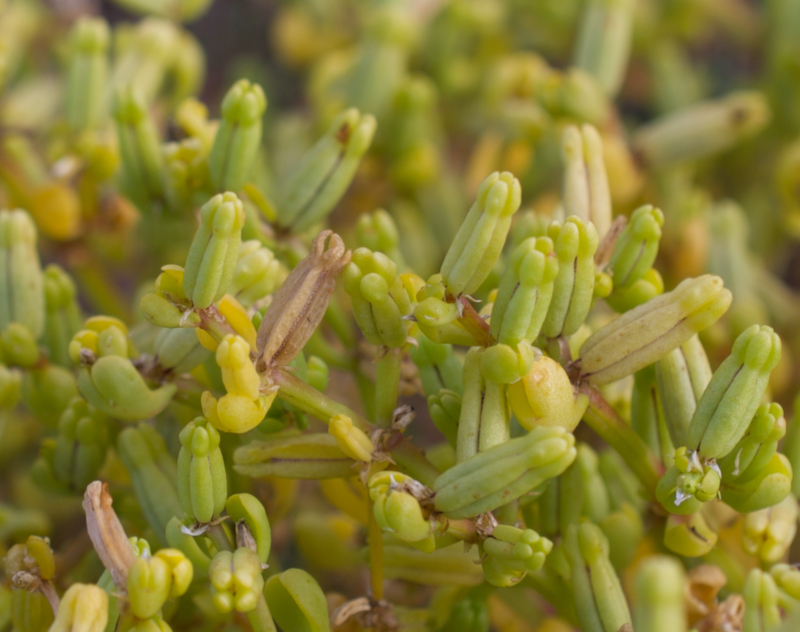
The Square-fruit Twinleaf (Zygophyllum prismatothecum) is the predominant Twinleaf appearing after rains on the limey clay plains in the Copley area, distinguishable by its oblong narrow capsule fruit form.
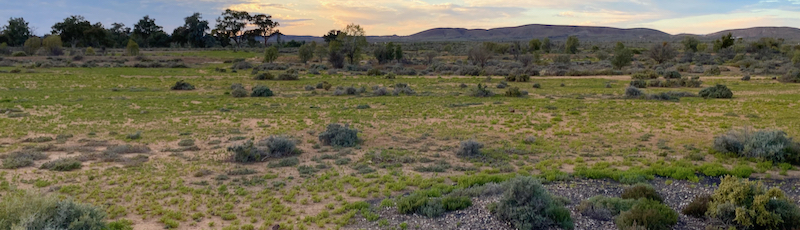

Horned Bindyi, Sclerolaena diacantha, is a small hairy silvery grey perennial growing in clay. Seen fruiting in Copley in winter.