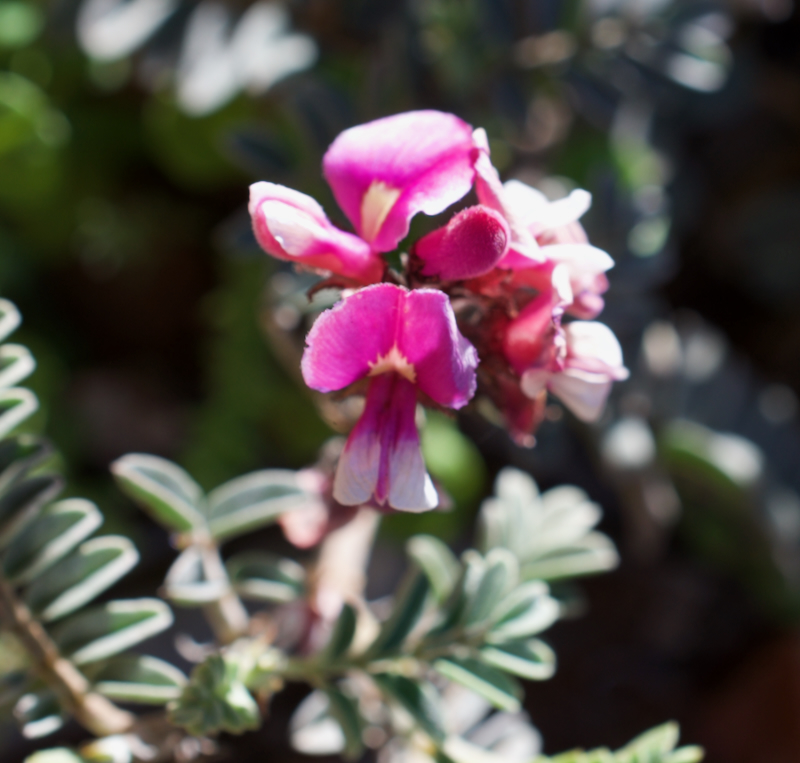
Eutaxia microphylla, also known as Common Eutaxia flowering in the central Flinders Ranges in spring.

Eutaxia microphylla, also known as Common Eutaxia flowering in the central Flinders Ranges in spring.

Native or Verbine Scurf-pea, Cullen australasicum, in flower along the roadside between Lyndhurst and Marree following spring rains.


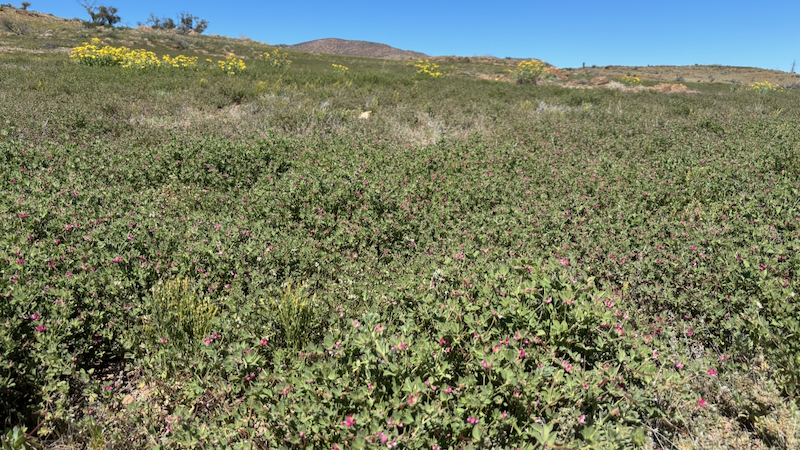
Mass flowering of Purple Darling Pea (Swainsona purpurea) at Mt Serle in the Northern Ranges.
Known as the Birdsville Wattle, or Waddi Tree, this unusual acacia is tall, with a casuarina-like habit and very large seed pods. It is endangered in the NT, and grows in very limited numbers in a localised conservation area in central Australia. It can take 35 years to grow one metre. These plantings at Arkaroola Village are an opportunity to catch a glimpse of Acacia peuce while in the Flinders Ranges.

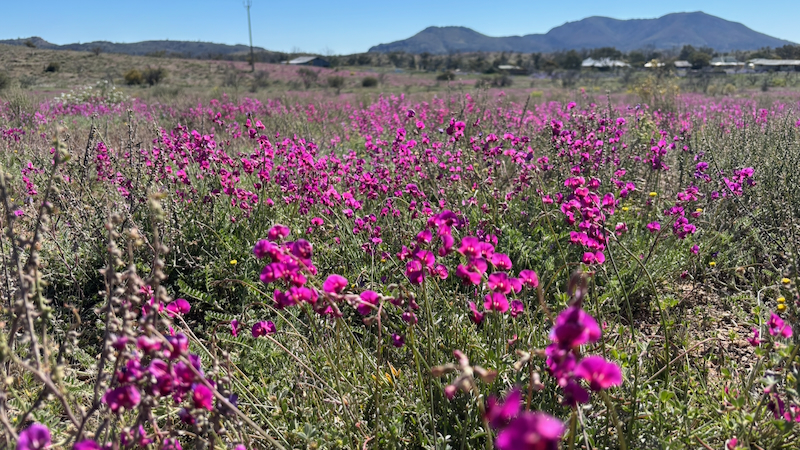
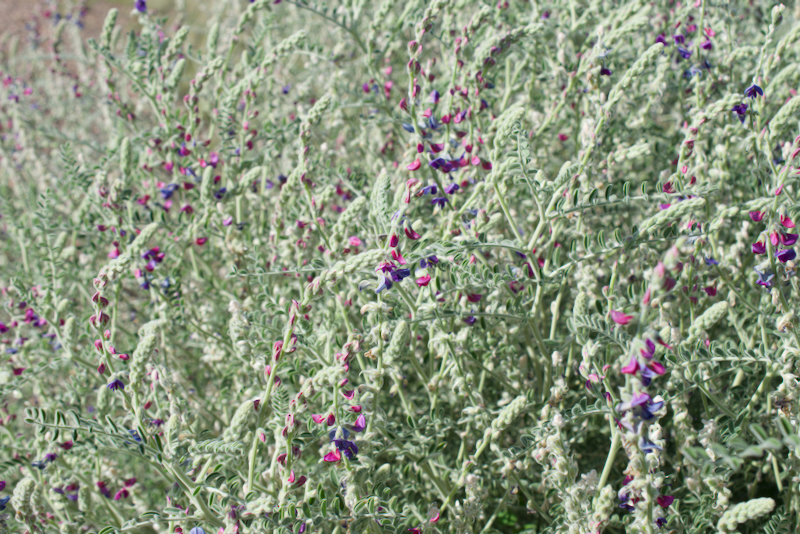
Swainsona burkittii, the Wooly Darling Pea flowering along the Outback Highway in Copley.
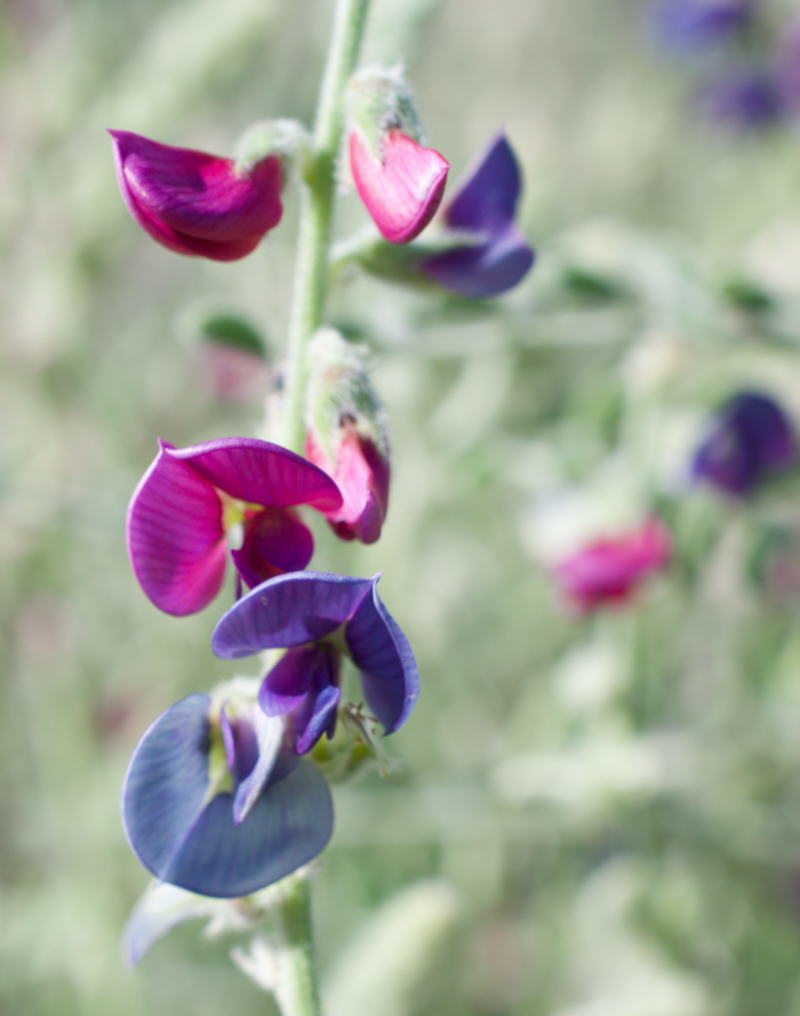
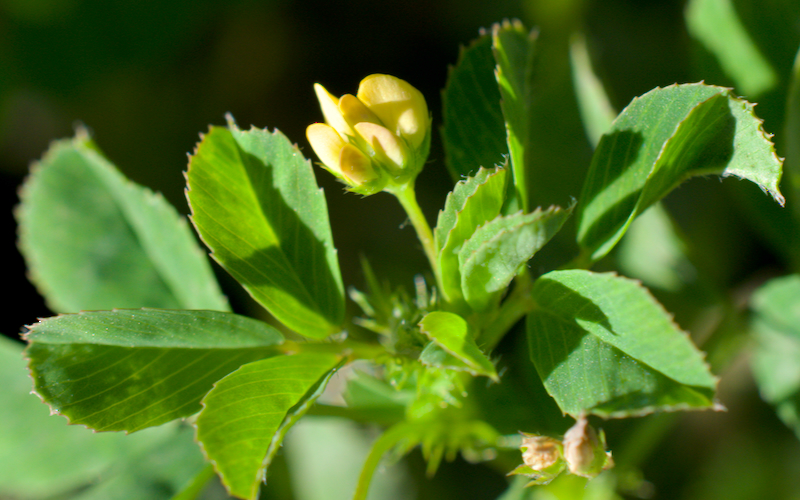
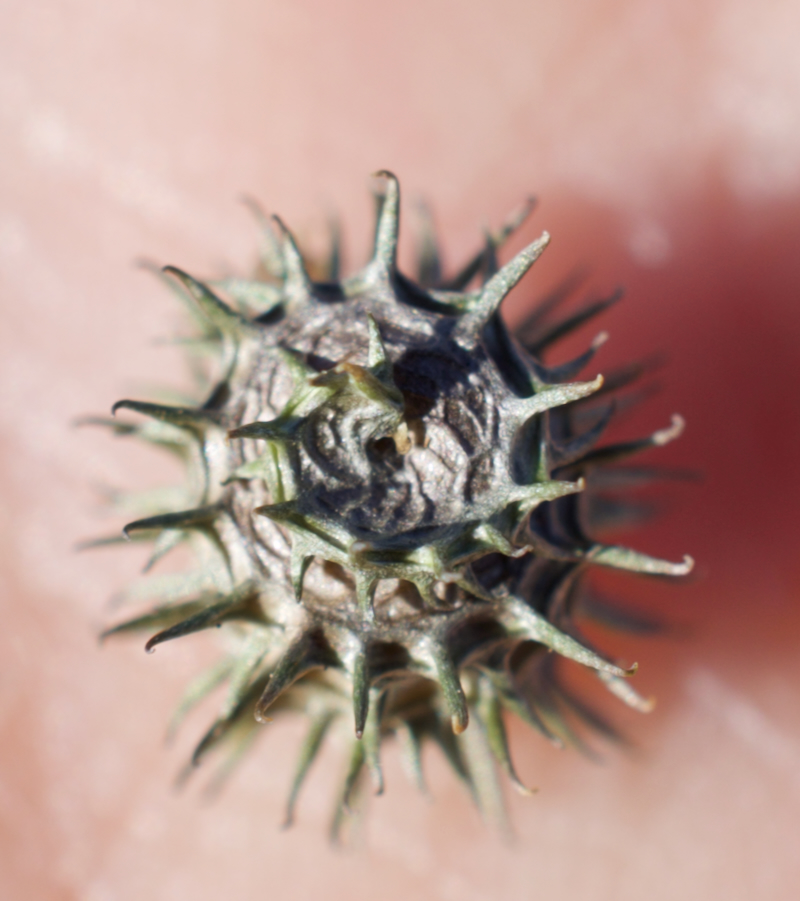
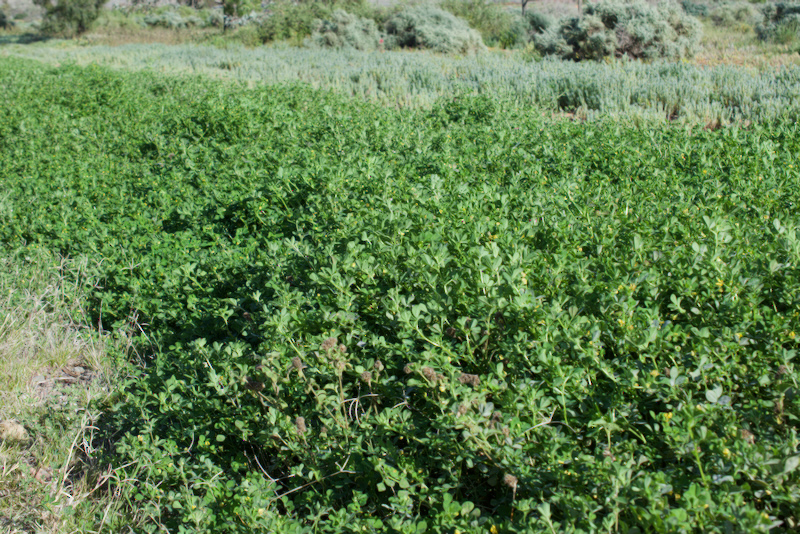
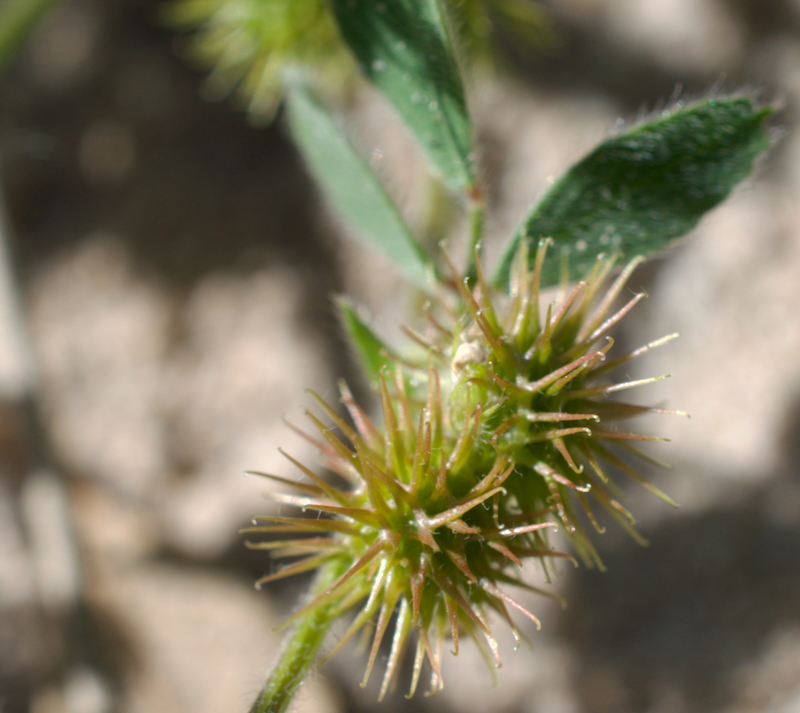
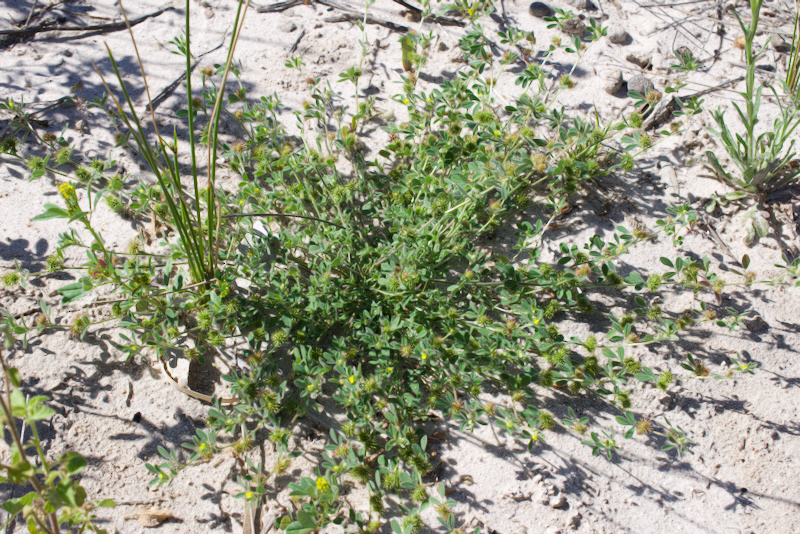
Introduced Bur-Clover, Medicago polymorpha, appearing in large numbers on roadsides in Copley Flinders Ranges, after a rainy year. Also known as Bur Medick, Toothed Medick and Toothed Bur-Clover.
Small Melilot (Melilotus indicus), is native to Northern Africa, Europe and Asia, and a naturalised annual herb and weed in South Australia. It is occurring in dense stands at Copley Retention Dam after rains.
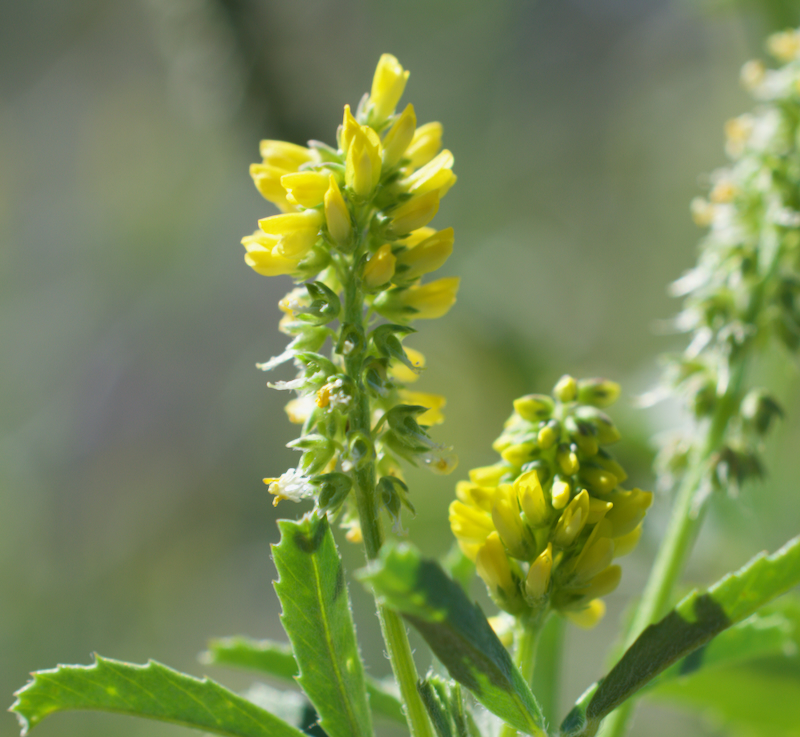
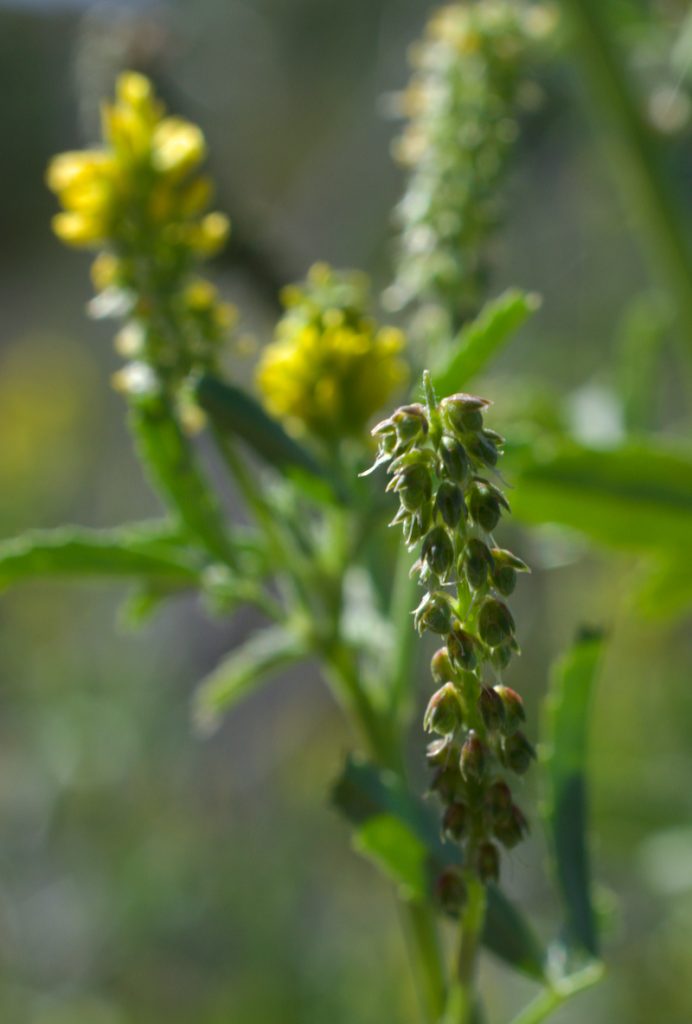
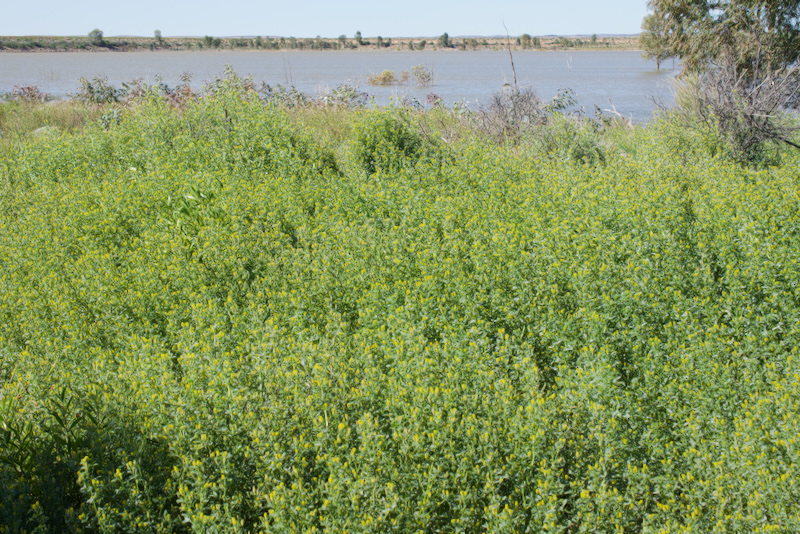
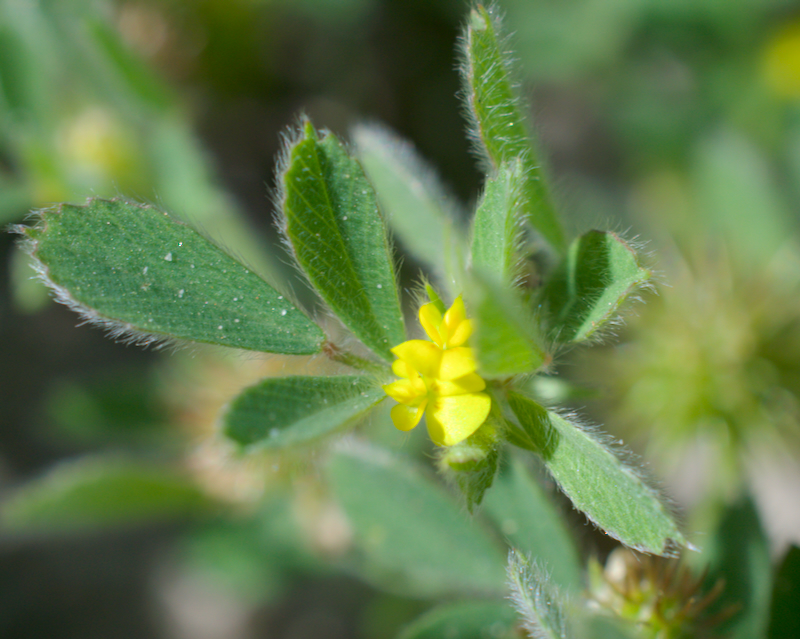
Introduced Little Bur-Clover, Medicago minima, appearing in large numbers in the Copley area, Flinders Ranges, after a rainy year. Also known as Woolly Bur Medick.
Silver Indigo with pink flower (likely to be Indigofera cornuligera subsp. cornuligera) observed flowering in a gorge near Finke Creek in the Northern Flinders Ranges in September.