
Callistemon teretifolius, the Flinders Ranges Bottlebrush in Spring at Wilpena Pound, Ikara-Flinders Ranges National Park.
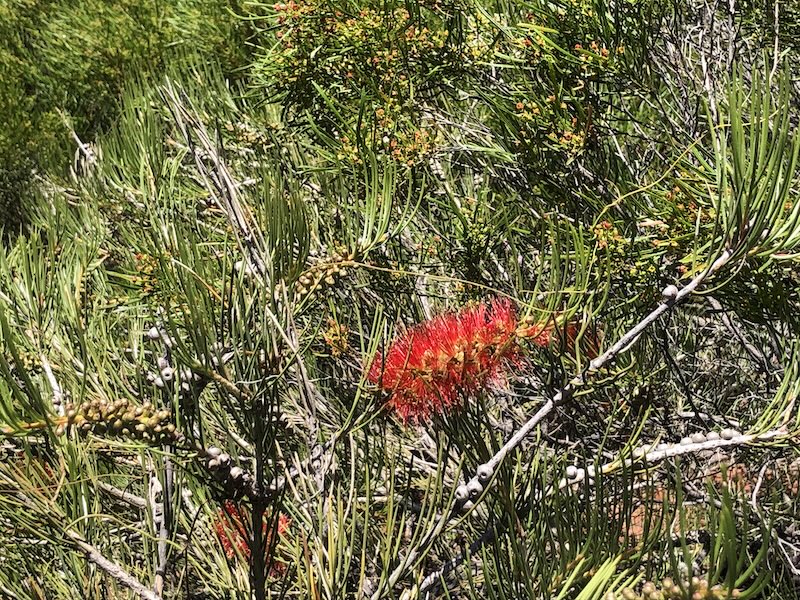
Callistemon teretifolius, the Flinders Ranges Bottlebrush in Spring at Wilpena Pound, Ikara-Flinders Ranges National Park.
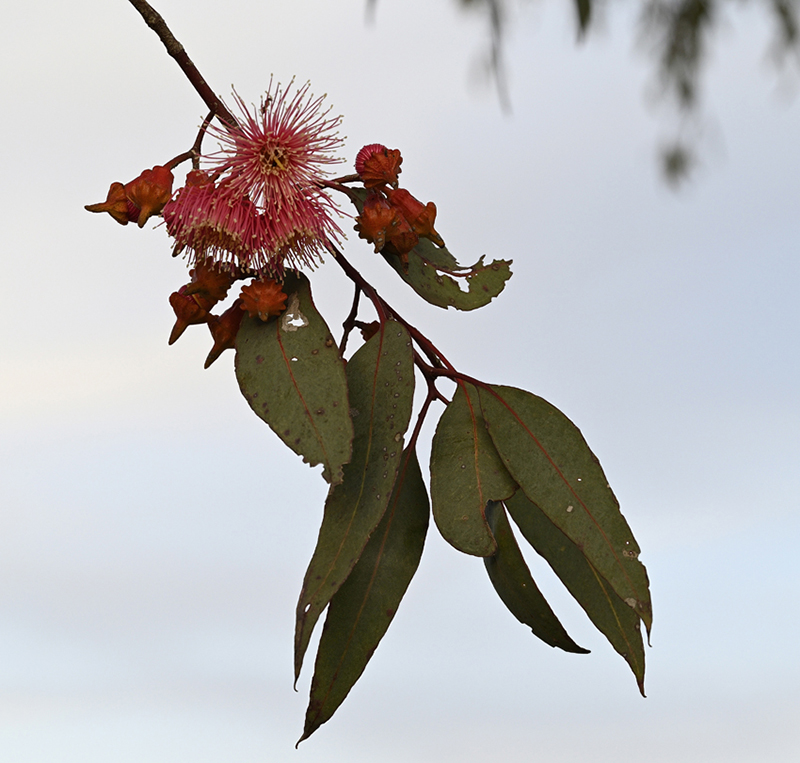
Coral Gum, Eucalyptus torquata, flowering in the southern Flinders Ranges in September.
Melaleuca glomerata is known as White Tea-tree, Inland Tea-tree, Inland Paperbark or Desert Paperbark. It is typically seen throughout the Flinders Ranges in watercourses and is a good indicator of soaks and springs. Flowering profusely at Stubbs Waterhole, Arkaroola after early summer rain.


The Australian Painted Lady, known for mass southerly migration in Spring, seen here in Blinman in late January after an unusually mild summer. Detailed information on these butterflies can be found on the Butterfly Conservation SA website.

River Redgum (Eucalyptus camaldulensis) seedlings growing in a creek bed at Warraweena, five months after flooding rains.

Curly Mallee (Eucalyptus Gillii) growing in high stands at the Pinnacles, Arkaroola.

Eucalyptus socialis seen in limestone soils around the Flinders Ranges.

This tenacious Melaleuca glomerata is growing in Nantiberry Springs at Warraweena Conservation Park in the Flinders Ranges.

Melaleuca glomerata, also known as the Inland Tea-tree or Inland Paperbark is a common occurrence in the Flinders Ranges along spring fed creek beds. This plant is a useful indicator of water beneath the surface.


