
The leopard marked Short-horned Grasshopper of the Stropsis genus are prolific in the Northern Flinders Ranges in May, perhaps relating to floods in April.
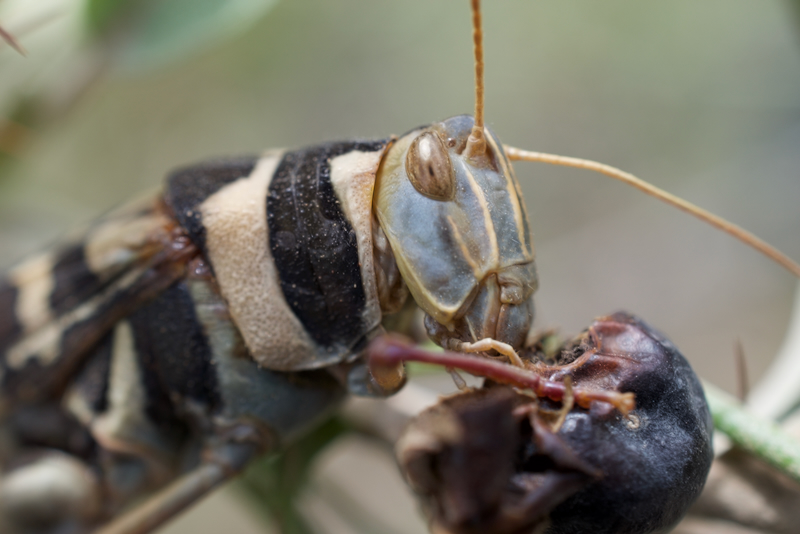
The leopard marked Short-horned Grasshopper of the Stropsis genus are prolific in the Northern Flinders Ranges in May, perhaps relating to floods in April.
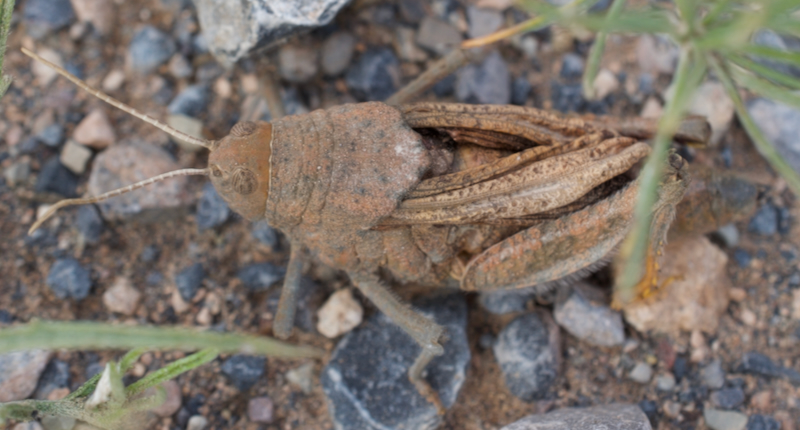
This grasshopper near Mt Serle in the Northern Flinders Ranges is yet to be identified. Approximately 30mm long. Let us know if you can identify it!
If you like a challenge, keep an eye on the Can you identify this? category on this site.
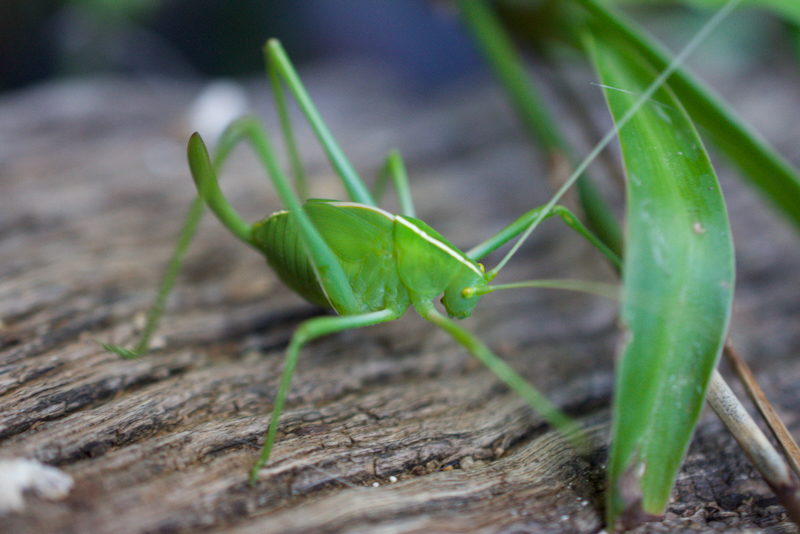
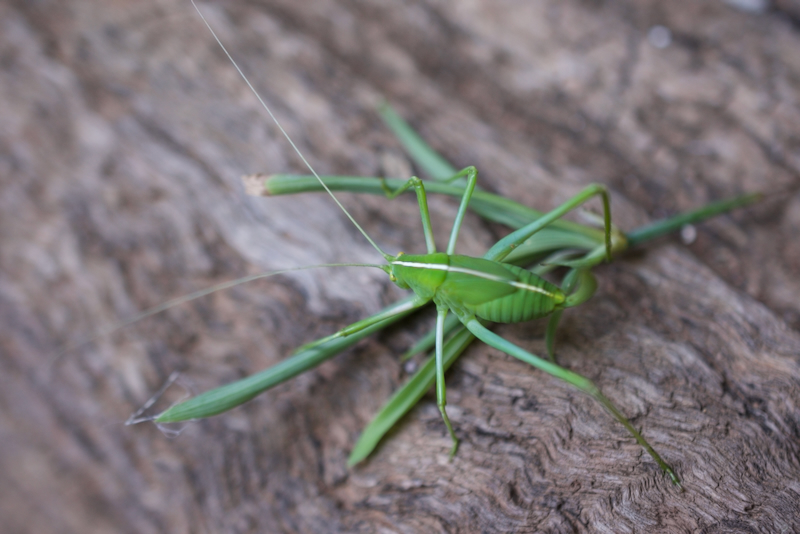
Juvenile predatory katydids hunt caterpillars and other insects. Built for ambush, they behave quite differently to their plant-eating cousins. Katydids belong to the order Orthoptera, which also includes crickets and grasshoppers.
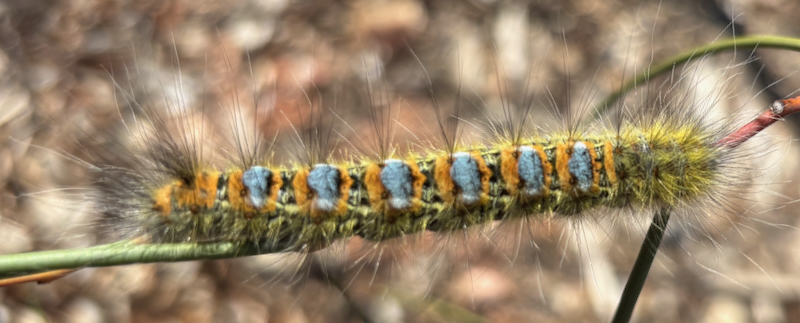
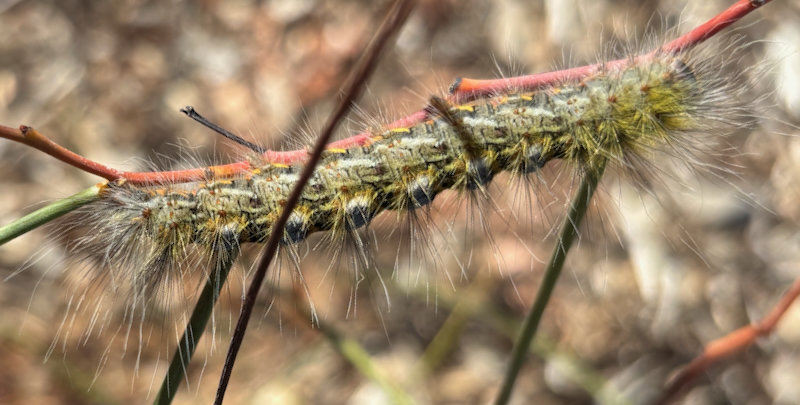
This brightly coloured moth larvae is feeding on Balcanoona Wattle (Acacia araneosa), an endangered, endemic plant growing in the Copley Botanic Gardens in the Northern Flinders Ranges. We haven’t identified the species, but the SA Museum Discovery Centre staff suggest that is is most likely belongs to the subfamily Thaumetopoeinae. This subfamily also contains the processionary caterpillars, which follow each other in a “chain” in search of food.
It appears to be an unlisted species, but we have had some notable speculation in the direction of the family Anthelidae (anthelid moths) who are known to feed on acacias. Viewing of the head features would be key to confirming that, so send us a photo if you see this caterpillar.
If you like a challenge, keep an eye on the Yet to be identified category on this site.
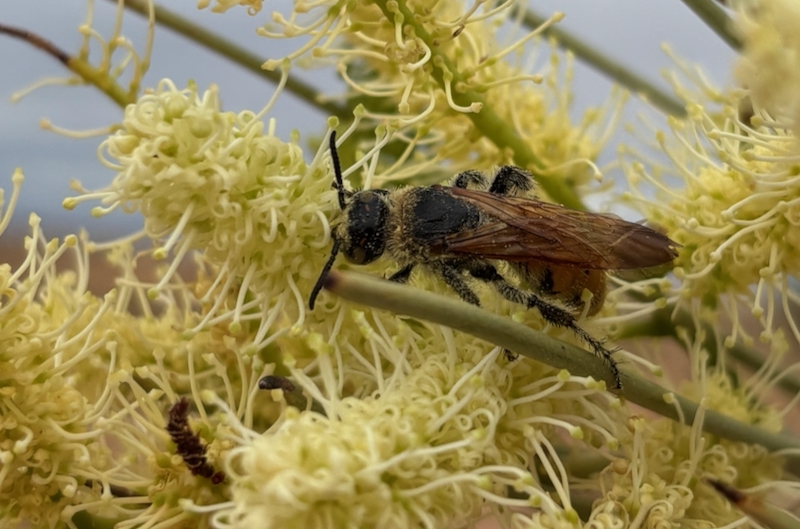
Male Flower Wasp feeding on Grevillea nectar near Lyndhurst in November. Body length approximately 25mm.


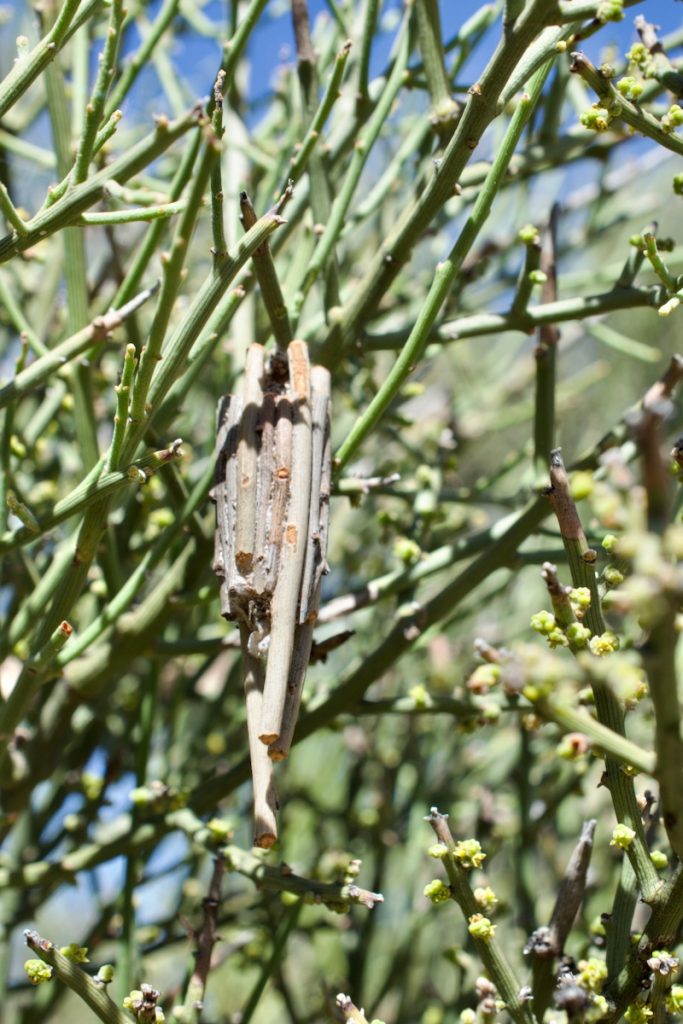
This moth larvae is probably the Faggot Case Moth, Clania ignobilis. The species eat a variety of unrelated plants – in this case, the Jointed Cherry, Exocarpus aphyllus, at Copley, in November.
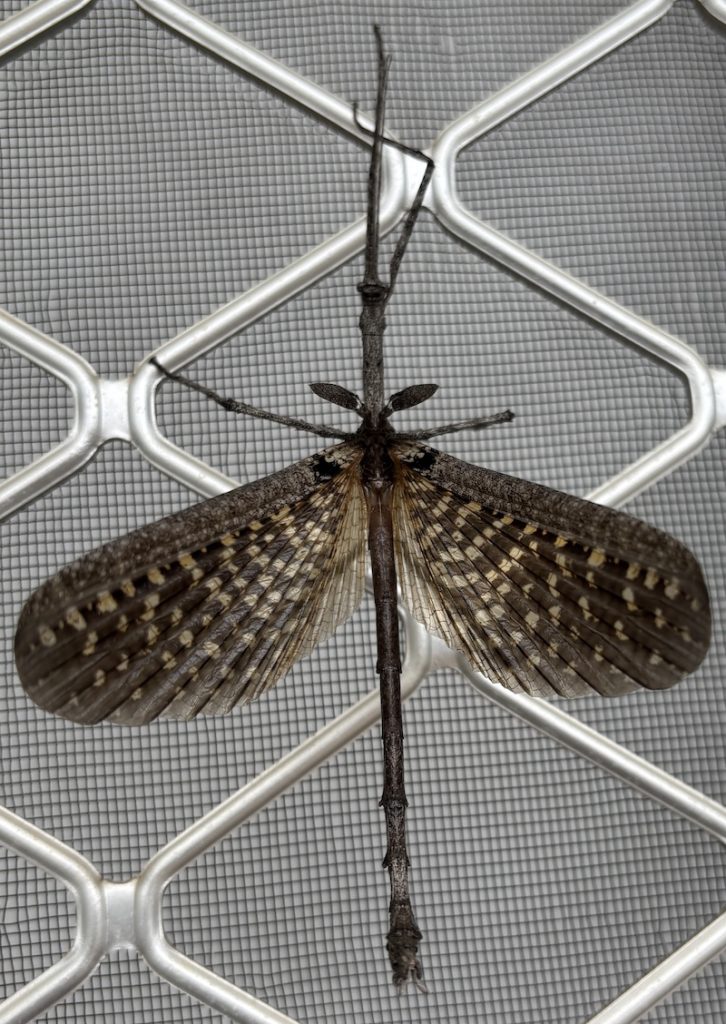
Stick Insect seen in Leigh Creek in November. 150mm.
Beautiful Badge Huntsman (Neosparassus calligaster) spotted at night in the Copley area, body length 25mm.

Tortoise Cockroach (Euzosteria tuberculata) spotted at night in Copley, Flinders Ranges. 30mm.

