
Raised spider burrow constructed out of sand, lined with silk gossamer.


Raised spider burrow constructed out of sand, lined with silk gossamer.
These piles of so-called ‘sand turds’ in the Lyndhurst sand dunes are probably caused by an earth-borer beetle in the scarab family (Bolboceratinae). The beetles push sand up and out of the burrow, forming sand columns which topple and form piles of pellets around 15cms wide.


Scolopendra laeta, also known as the Striped Centipede in the Flinders Ranges. Approximately 90mm.


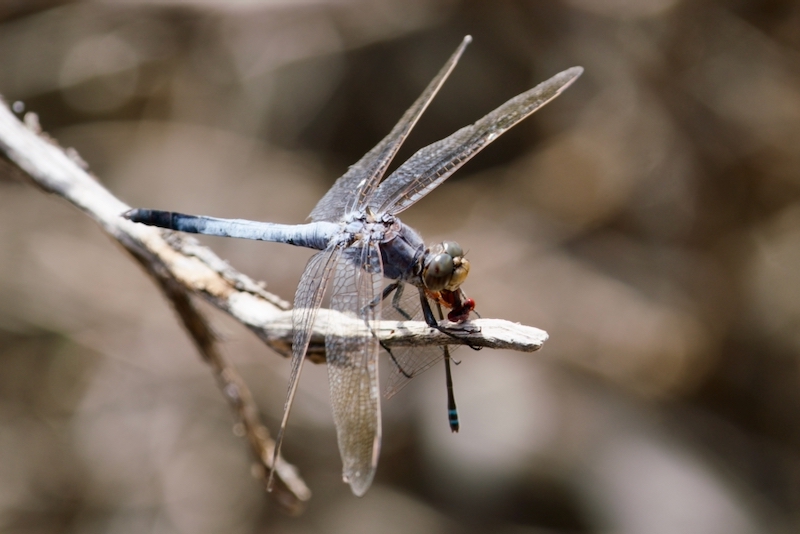
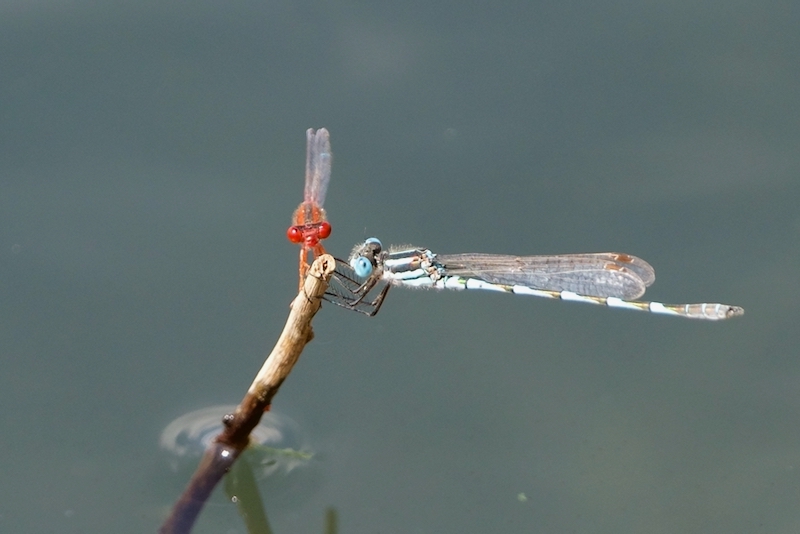
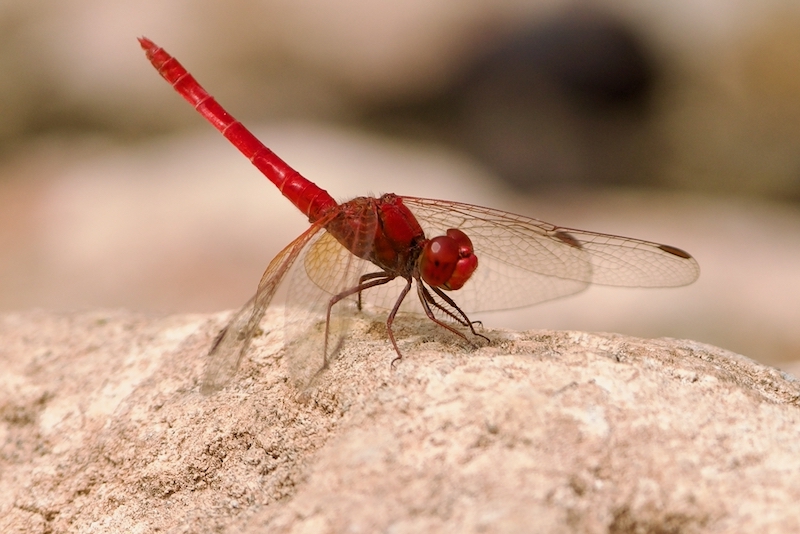
Both Dragonflies and Damselflies are superb hunting carnivores. A common sight around dams and springs throughout the Flinders Ranges, nymph (juvenile) casings are located at the lower parts of trees and shrubs, or rocks, near the water’s edge. The transition between nymph and adult occurs during the night, with the new adult emerging with a soft, pale exoskeleton which hardens and brightens into the full complement of striking colours by sunrise.
Cossid Moth of the genus Endoxyla. It is possibly a new species and seems close to one coded Endoxyla ANIC sp13 in collections. The larvae would be borers in the roots or stems of woody plants.


Dodonaea viscosa, the Sticky Hop-bush, has winged fruits which are covered with a protective sticky resin. Sap sucking aphids feeding on these fruits are farmed by ants for their ‘honeydew’ secretions.

Chequered Swallowtail butterfly, Papilio demolius, sighted in ephemeral floodplains near Farina in the Far North Flinders Ranges.

Toward the end of the 2-4 week lifespan as an adult butterfly, fading of the wings can happen due to wear and tear, and UV bleaching, as seen in this Chequered Swallowtail feeding on an Eremophila flower in Copley.

Further information about Chequered Swallowtails can be found on the website managed by Butterfly Conservation SA.