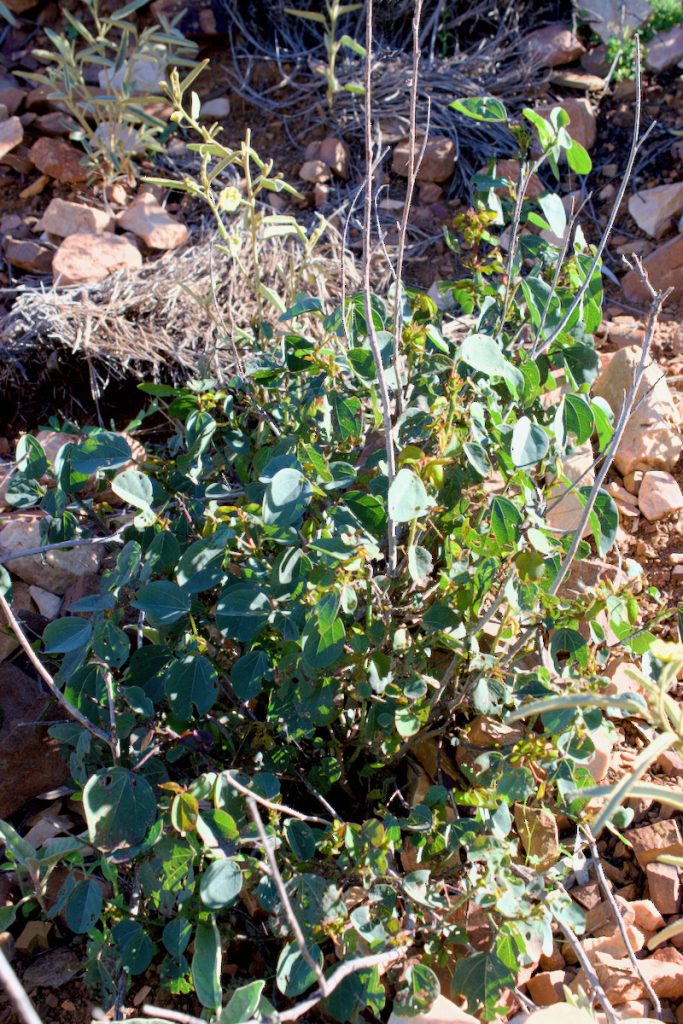
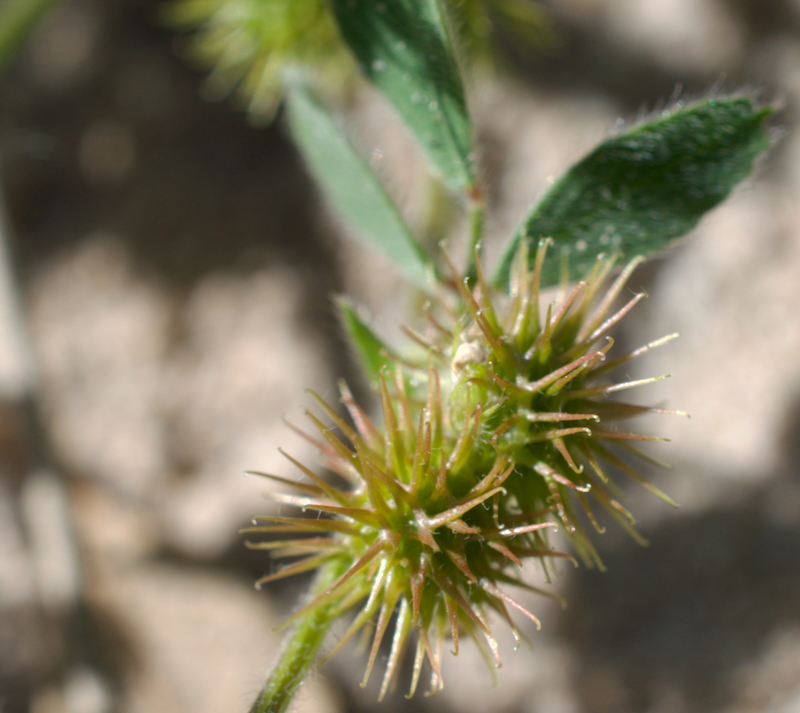
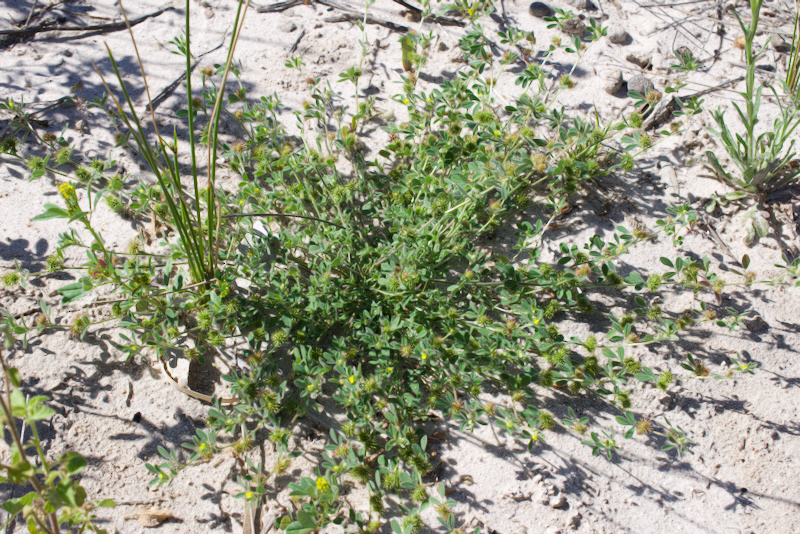
Introduced Bur-Clover, Medicago polymorpha, appearing in large numbers on roadsides in Copley Flinders Ranges, after a rainy year. Also known as Bur Medick, Toothed Medick and Toothed Bur-Clover.
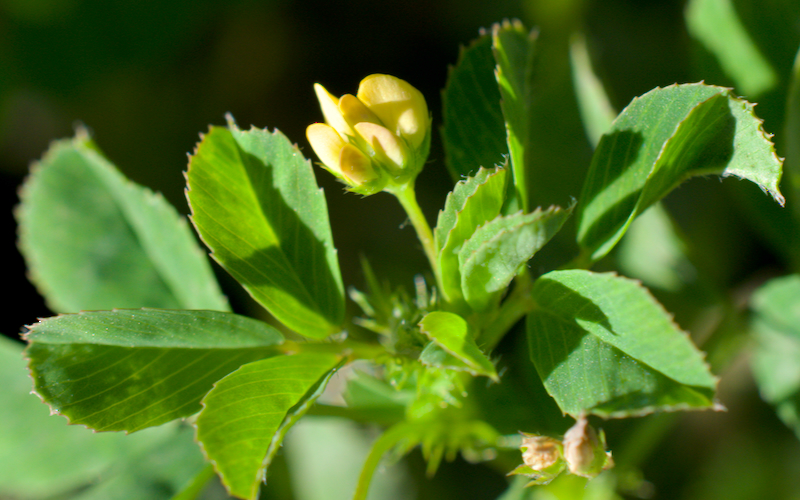
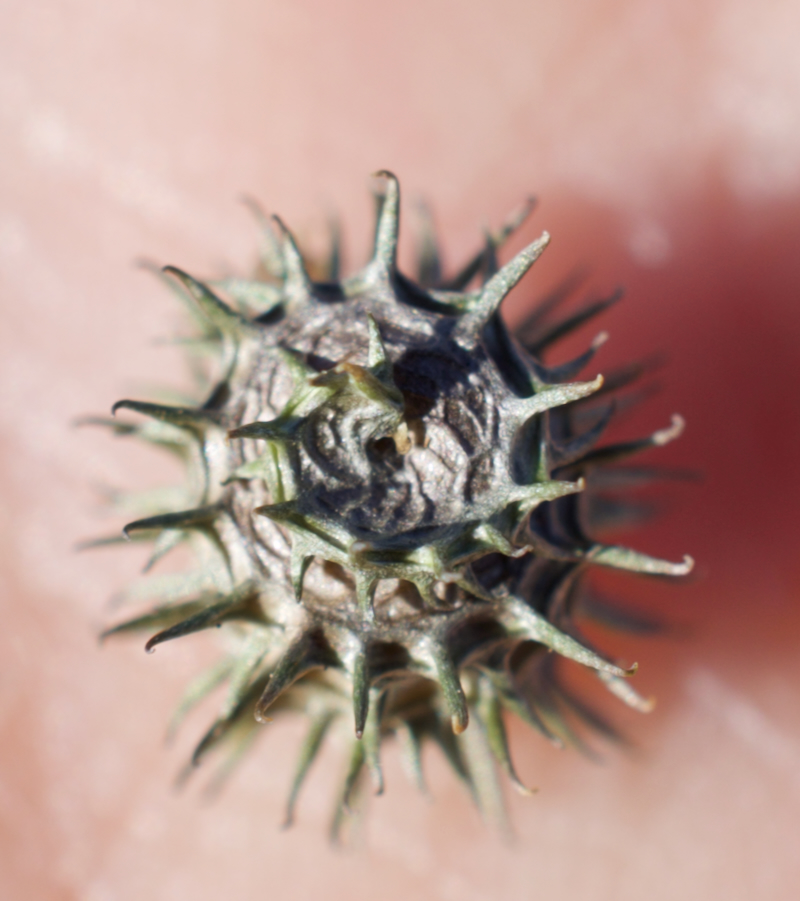
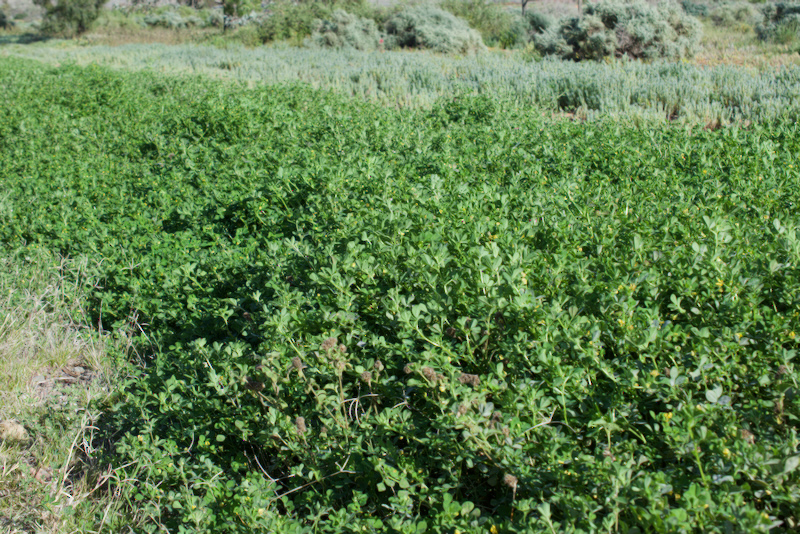
Introduced Bur-Clover, Medicago polymorpha, appearing in large numbers on roadsides in Copley Flinders Ranges, after a rainy year. Also known as Bur Medick, Toothed Medick and Toothed Bur-Clover.
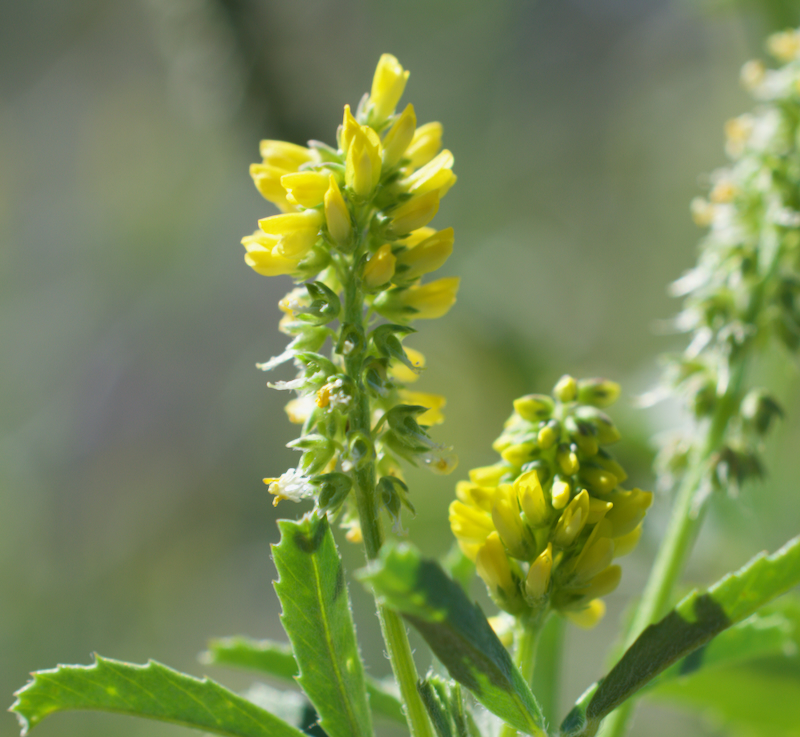
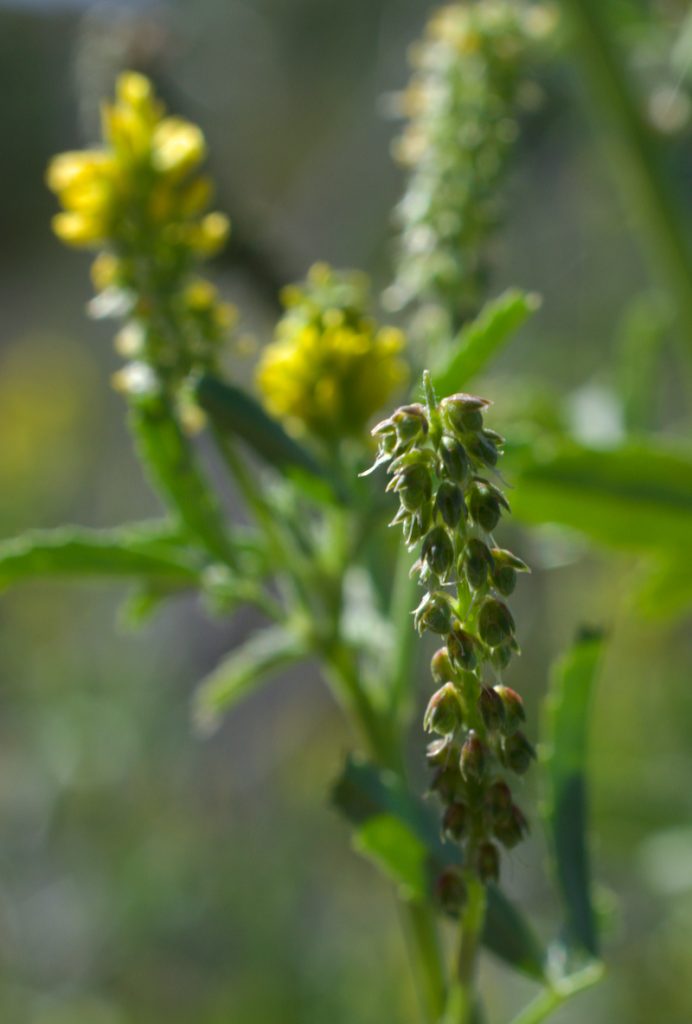
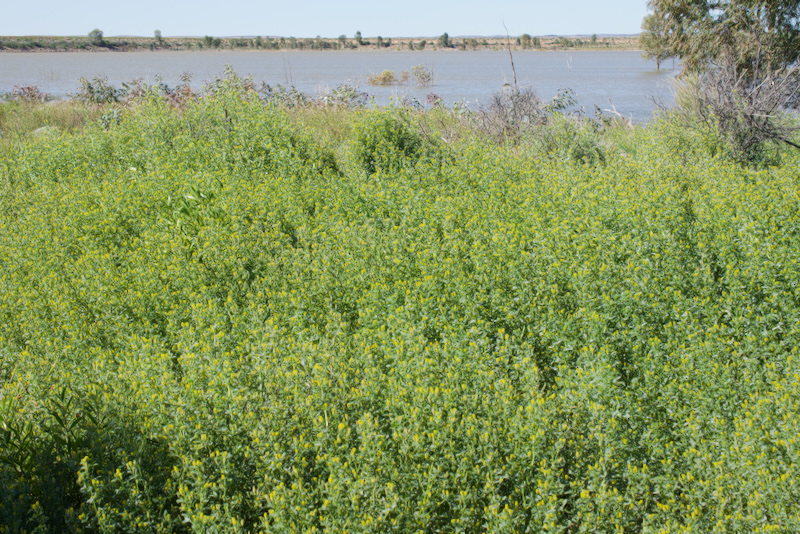
Small Melilot (Melilotus indicus), is native to Northern Africa, Europe and Asia, and a naturalised annual herb and weed in South Australia. It is occurring in dense stands at Copley Retention Dam after rains.
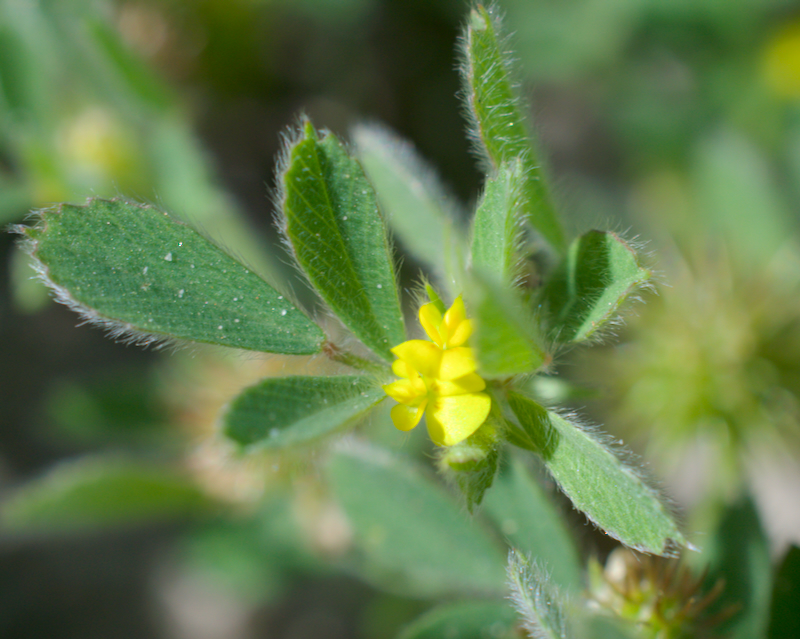
Introduced Little Bur-Clover, Medicago minima, appearing in large numbers in the Copley area, Flinders Ranges, after a rainy year. Also known as Woolly Bur Medick.
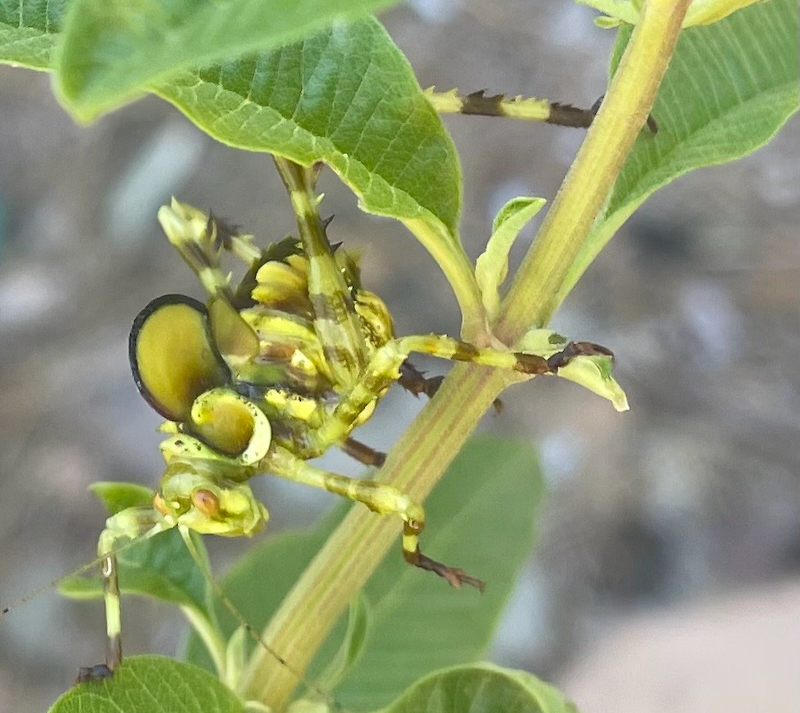
Crested Katydid (Alectoria superba), also known as the Superb Katydid in juvenile form without wings. Observed at Oratunga Station, near Blinman in the Flinders Ranges during a year of rains.
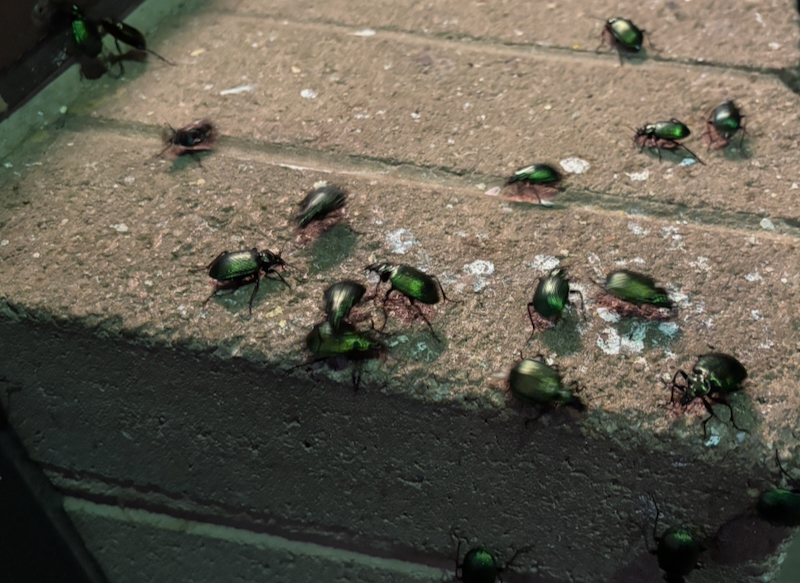
Calosoma schayeri, the green carab beetle or saffron beetle, active in the North Flinders Ranges in the warmer months. These are nocturnal hunters of slow-moving prey.
These ‘stinky beetles’ were reported in very high numbers in the first few warms days of spring, from Marree to Nepabunna to Leigh Creek. Some premises have been infested with thousands of beetles. Anectodal evidence links this prevalence with a year of frequent rains, also noted in the flood years of the 2010s and 1970s.

Yellow-tails (Ptilotus nobilis) flowering in the outskirts of Leigh Creek in spring. Very closely related to the pink/mauve Mulla Mulla Ptilotus exaltus.
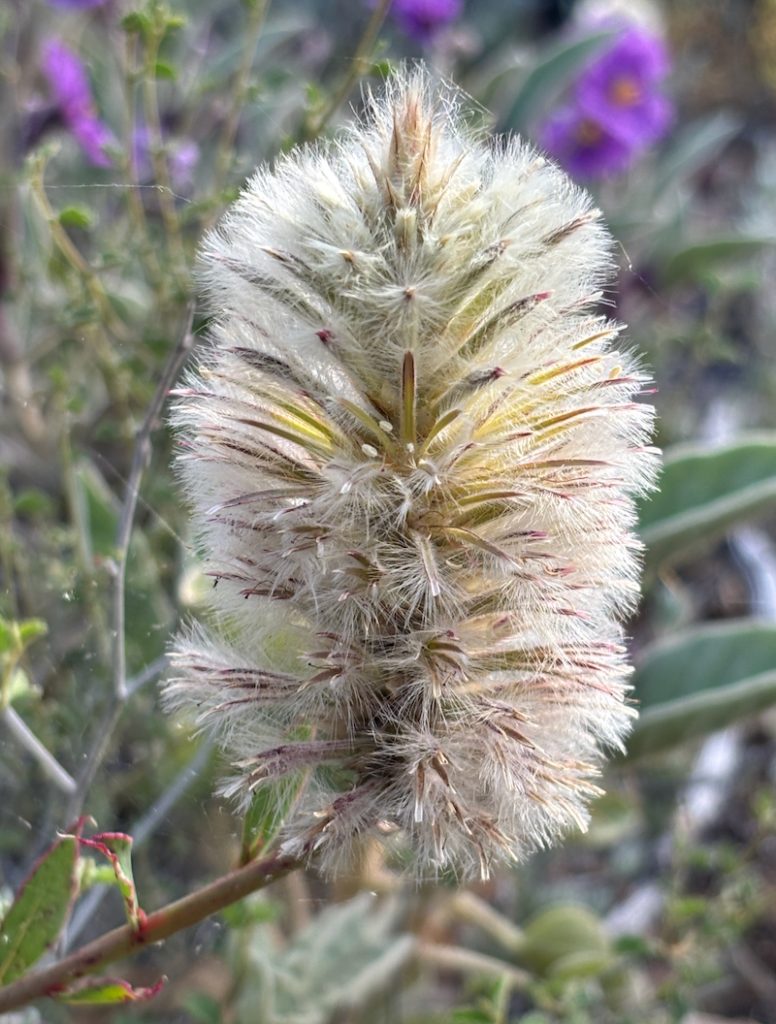
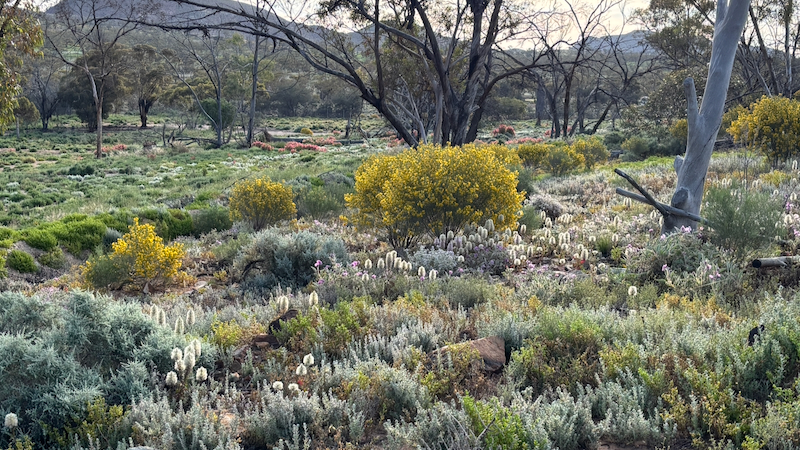
Goodenia vernicosa, the Wavy Goodenia, flowering on the rocky slopes of Maynards Well Station in the Northern Flinders Ranges. The serrates leaves have a sticky, waxy coating. Plants growing to appoximately 90cm.
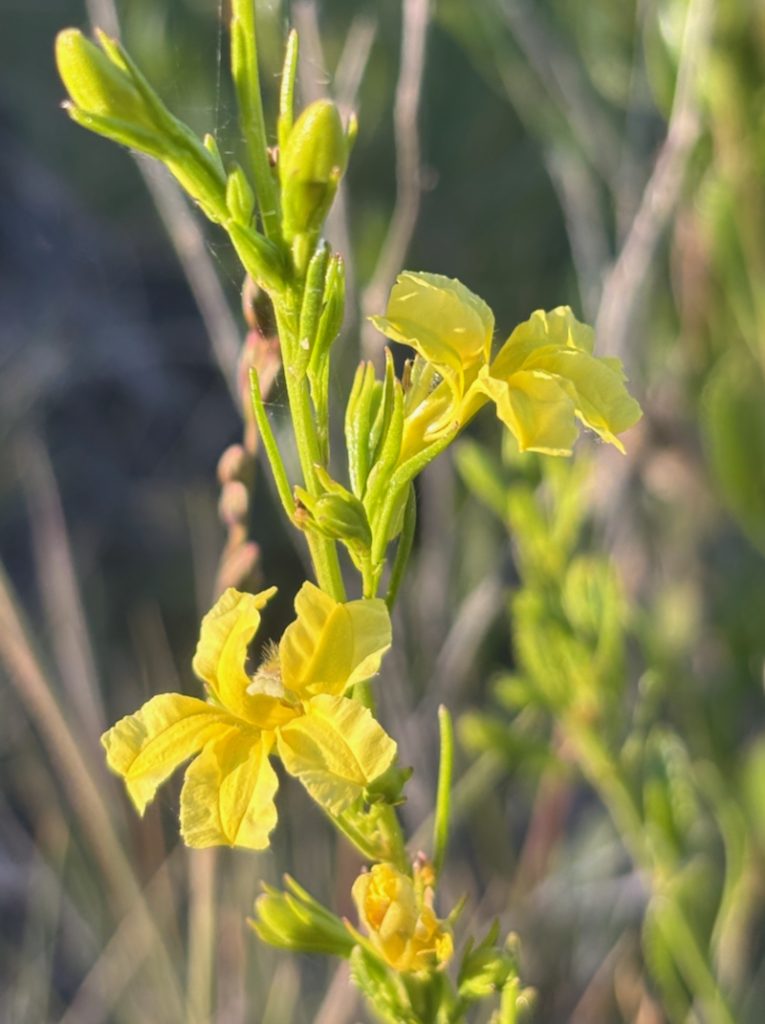
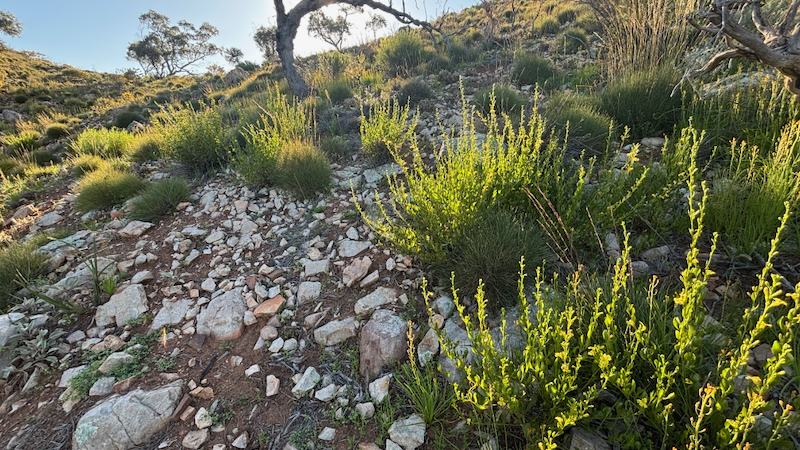
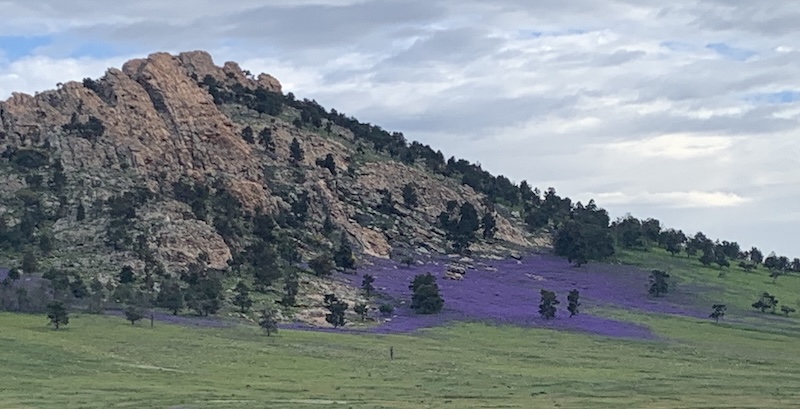
Echium plantagineum, widely known as Paterson’s Curse, flowering near Hawker during a year of frequent rains.
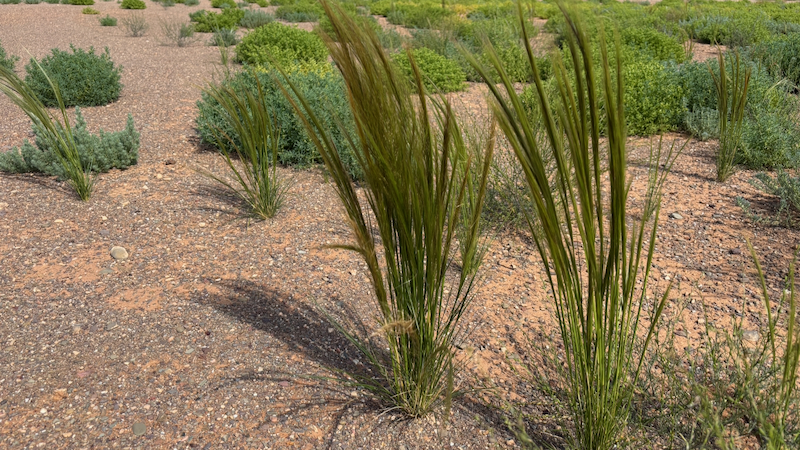
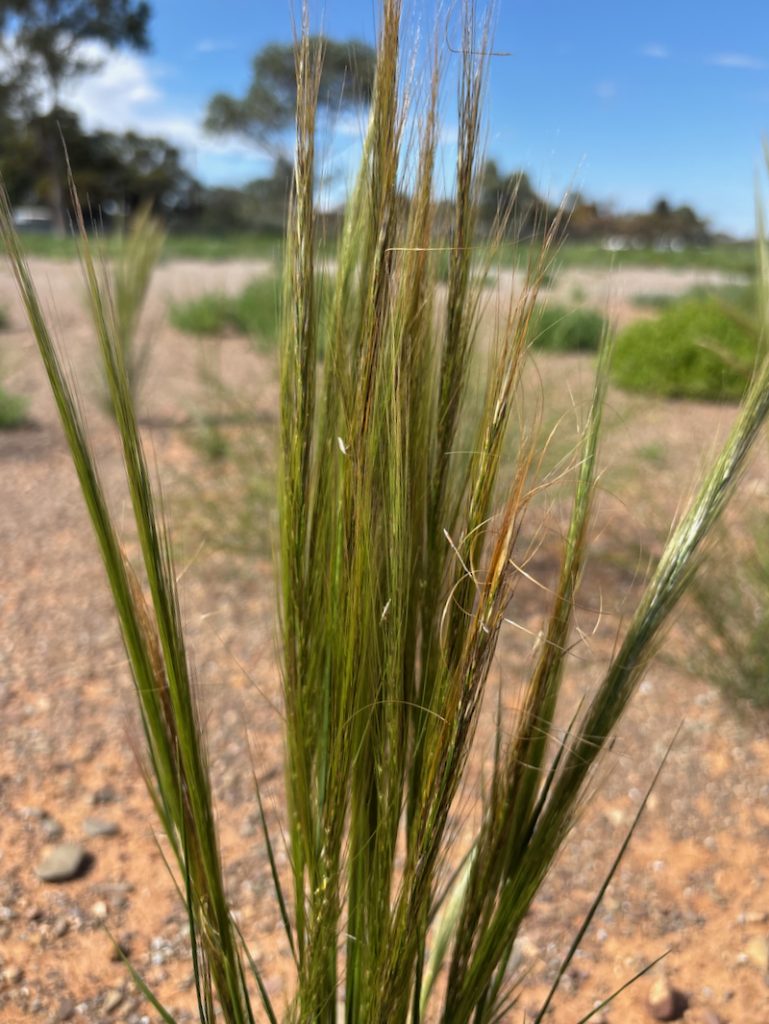
This unidentified grass is appearing around Copley and Leigh Creek. Possibly an Austrastipa species. Let us know if you can identify this grass!
Sturt’s Desert Rose, Gossypium sturtianum, regenerating on scree slopes in the Northern Flinders Ranges after frequent rains.