Introduced Little Bur-Clover, Medicago minima, appearing in large numbers in the Copley area, Flinders Ranges, after a rainy year. Also known as Woolly Bur Medick.
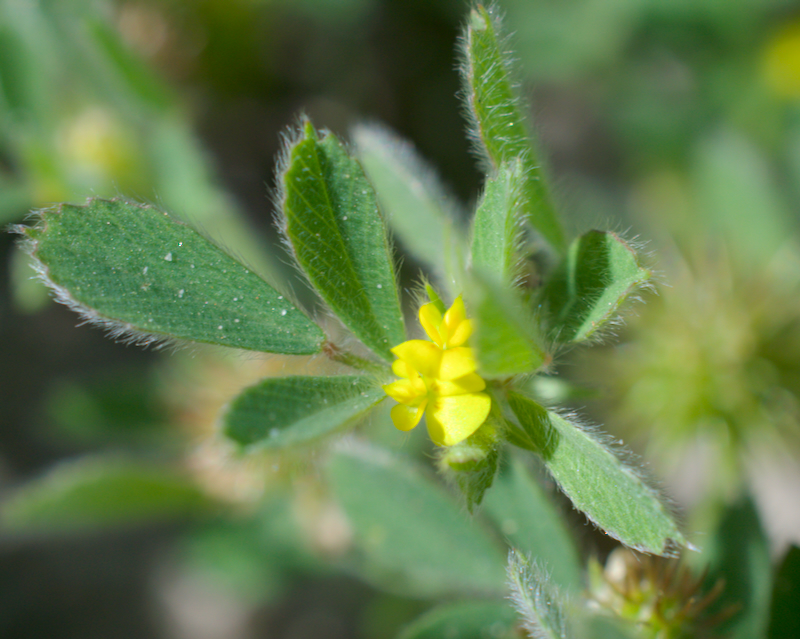
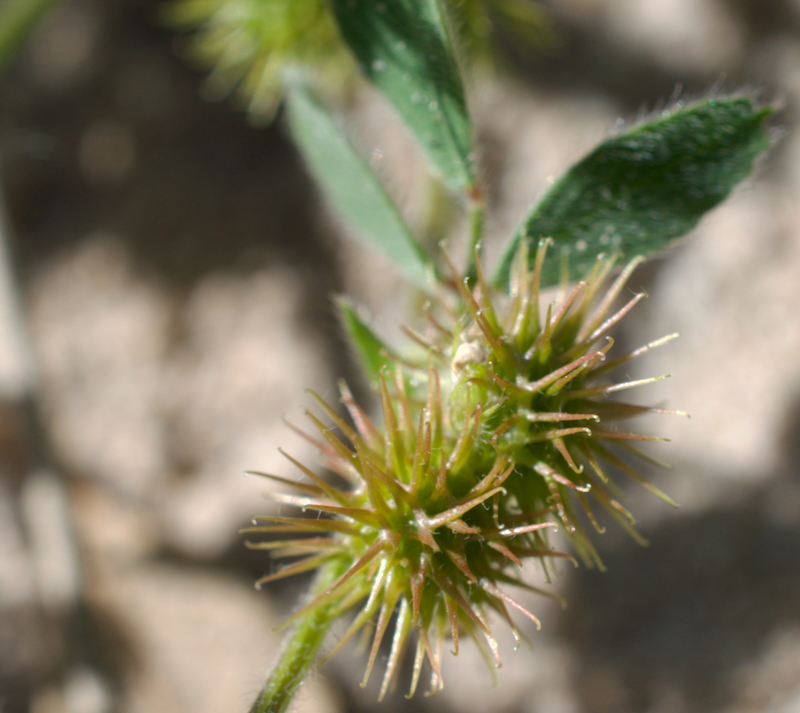
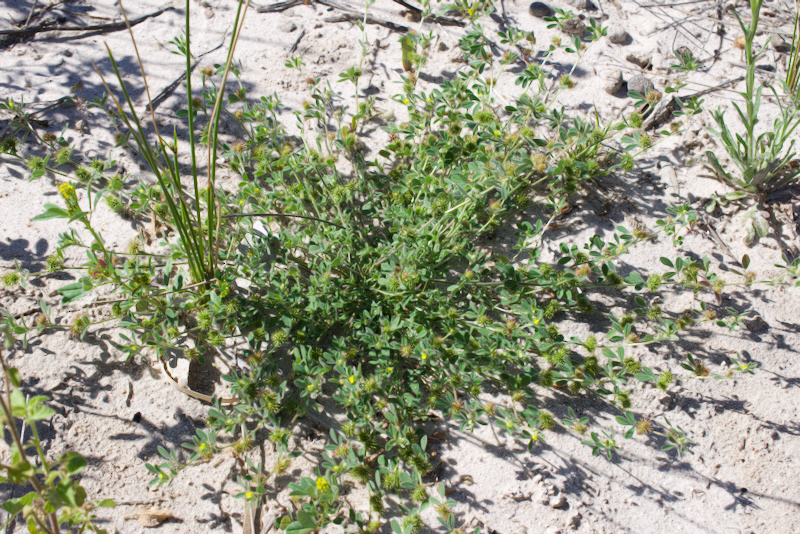
Introduced Little Bur-Clover, Medicago minima, appearing in large numbers in the Copley area, Flinders Ranges, after a rainy year. Also known as Woolly Bur Medick.
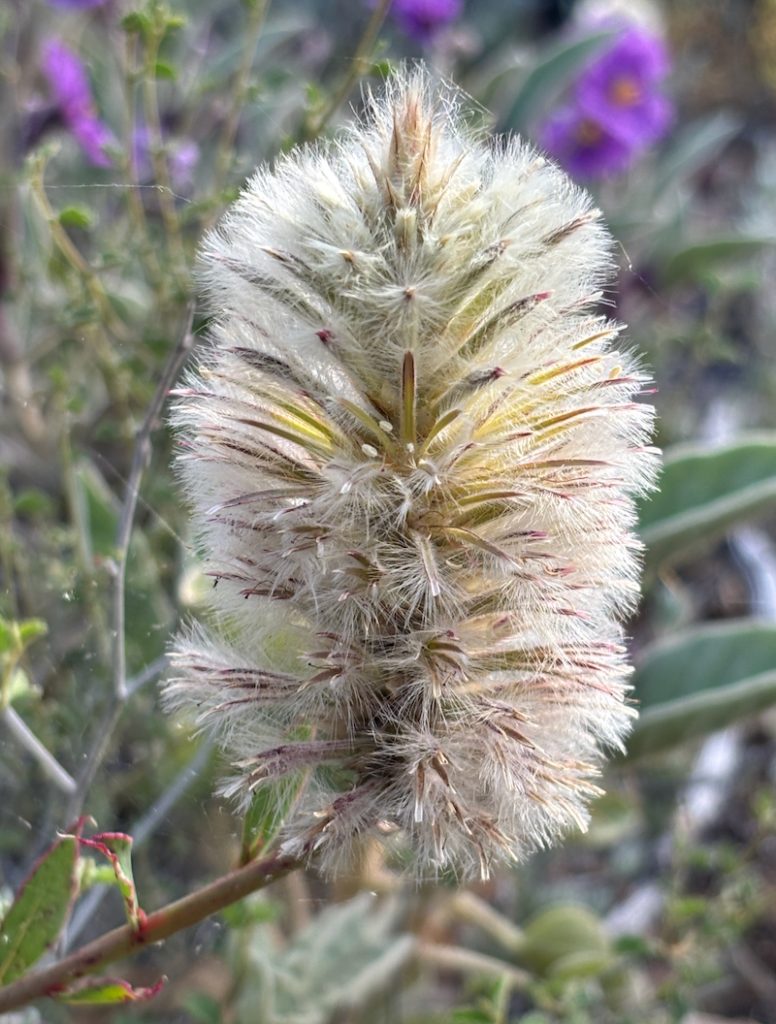
Yellow-tails (Ptilotus nobilis) flowering in the outskirts of Leigh Creek in spring. Very closely related to the pink/mauve Mulla Mulla Ptilotus exaltus.
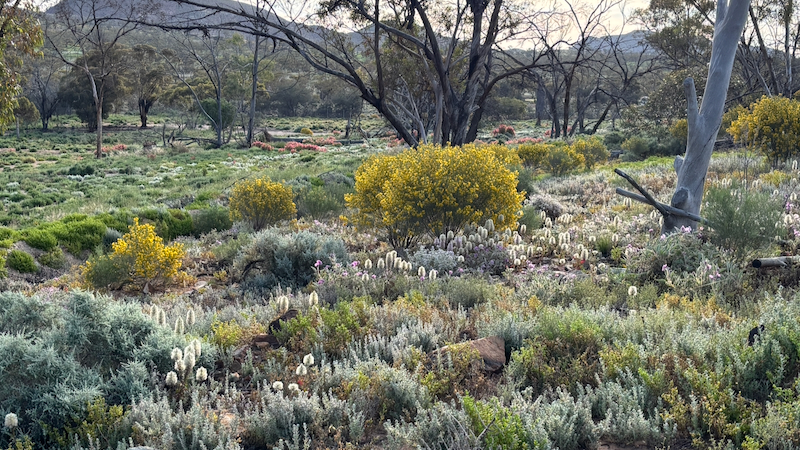
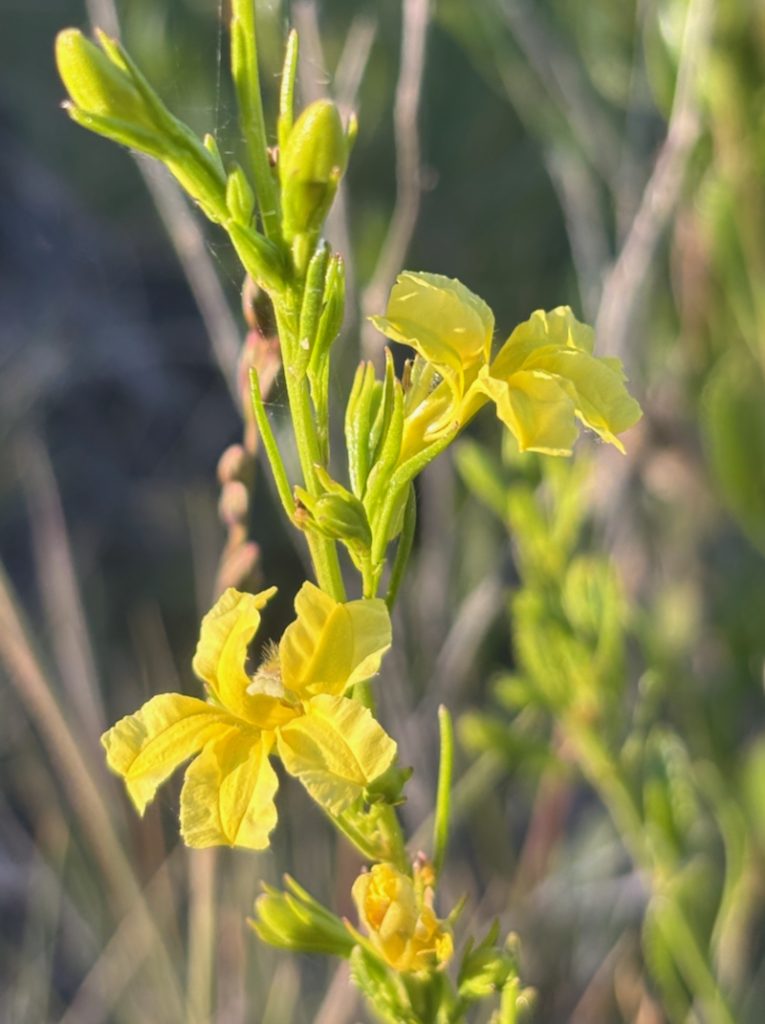
Goodenia vernicosa, the Wavy Goodenia, flowering on the rocky slopes of Maynards Well Station in the Northern Flinders Ranges. The serrates leaves have a sticky, waxy coating. Plants growing to appoximately 90cm.
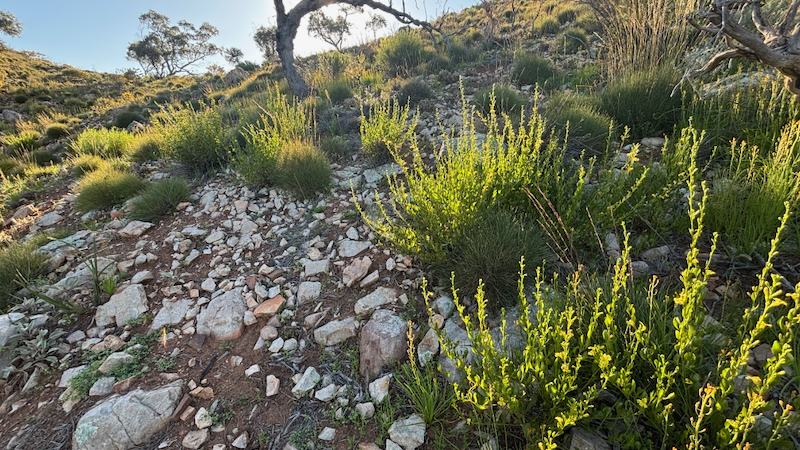
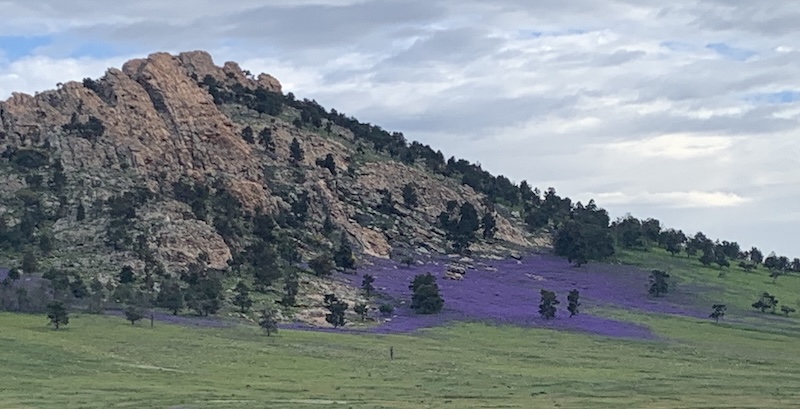
Echium plantagineum, widely known as Paterson’s Curse, flowering near Hawker during a year of frequent rains.
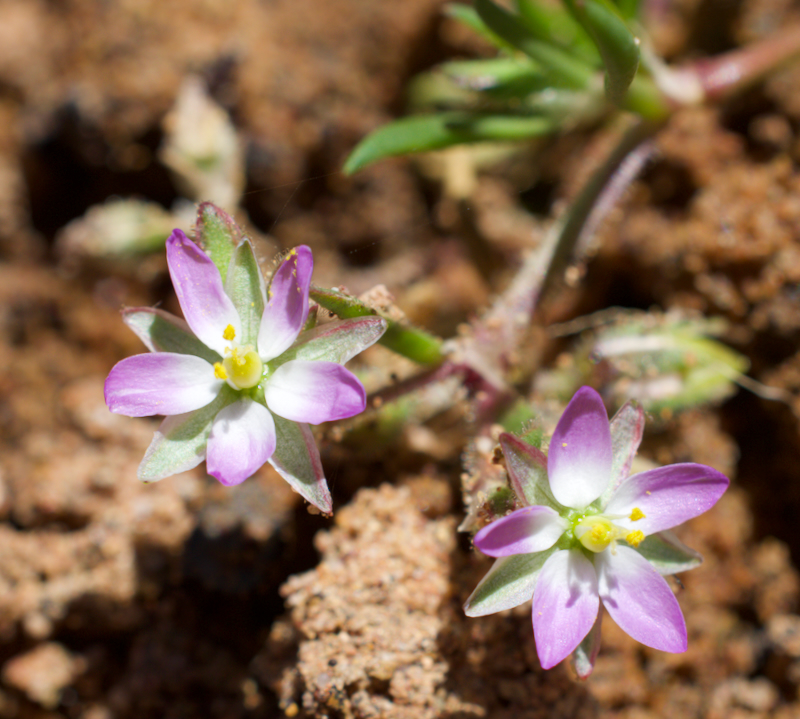
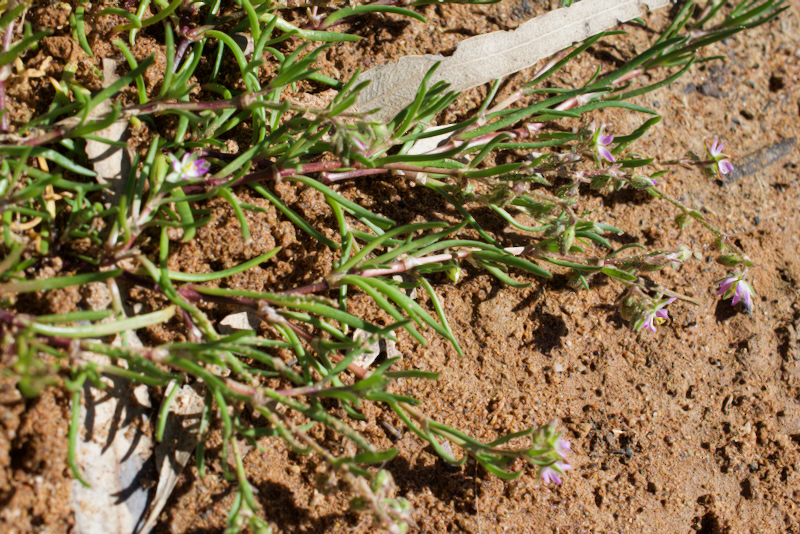
Unidentified species of Spergularia, Sand-spurrey, flowering near the damp sand of Finke Creek in the Nothern Flinders Ranges. Let us know if you can identify this!
Hard-head Daisy, or Dwarf Daisy (Brachyscome lineariloba) flowering in damp clay near the Finke Creek in the Northern Flinders Ranges in September.
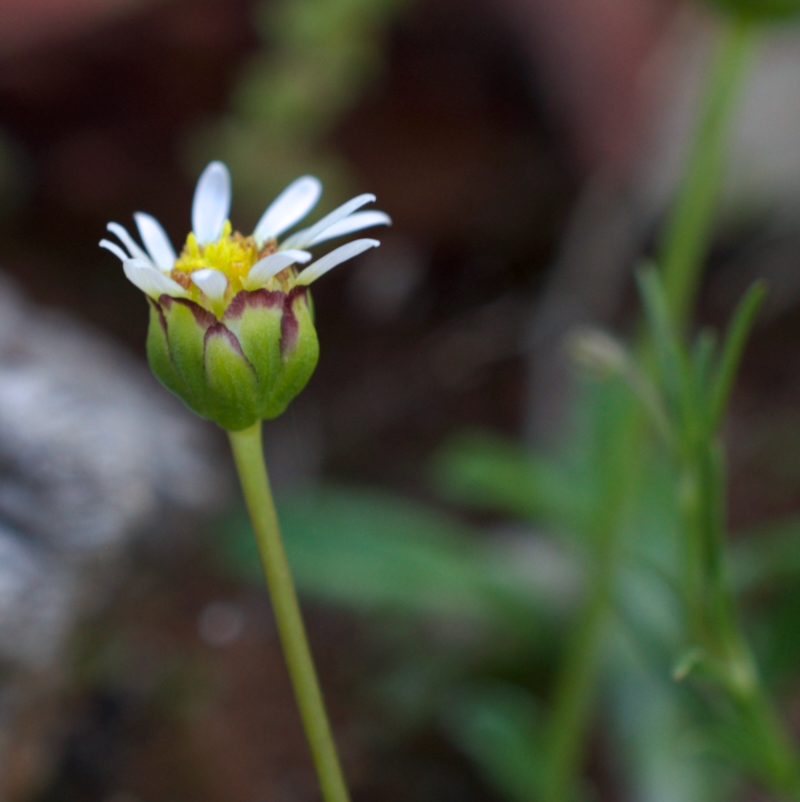
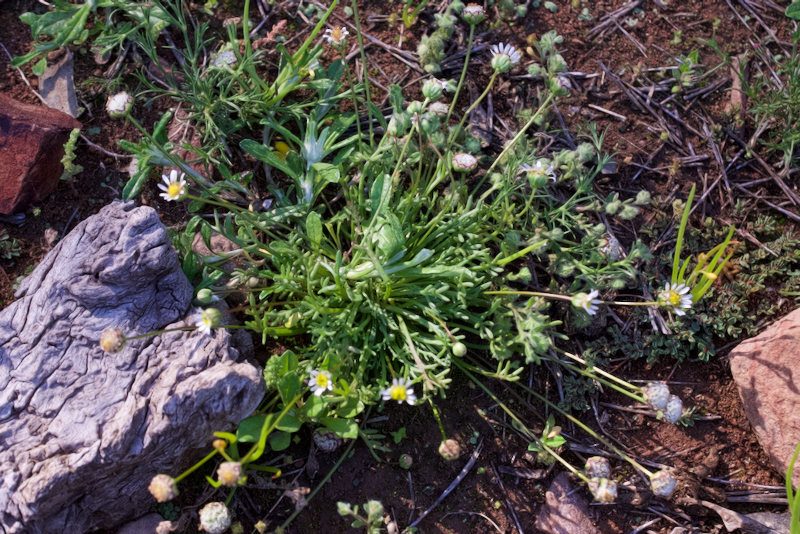
Bulbine Lily flowering near Finke Creek in the Northern Flinders Ranges in September.
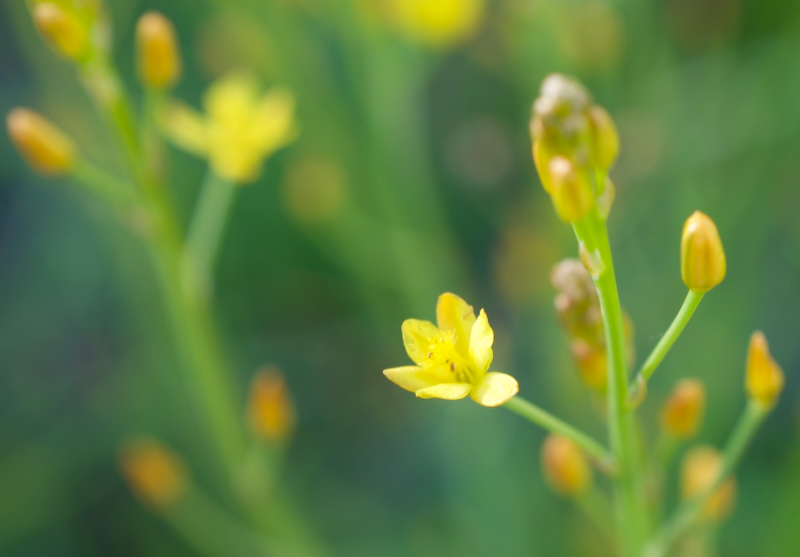
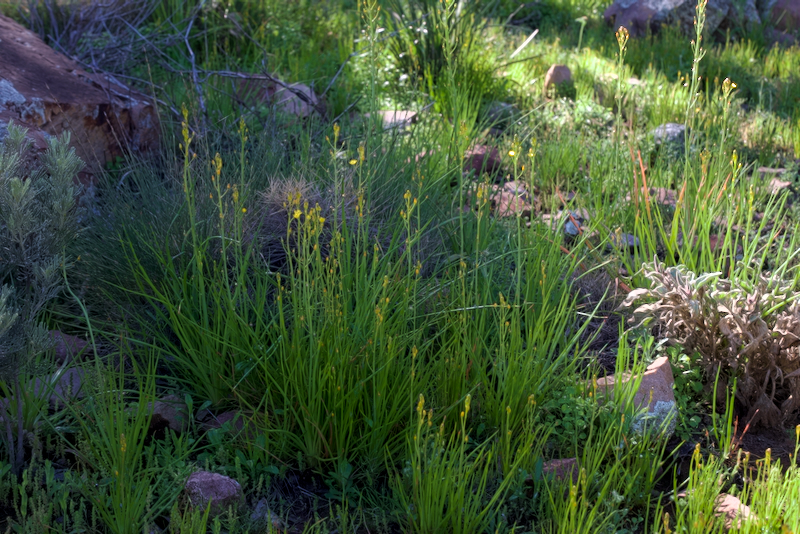
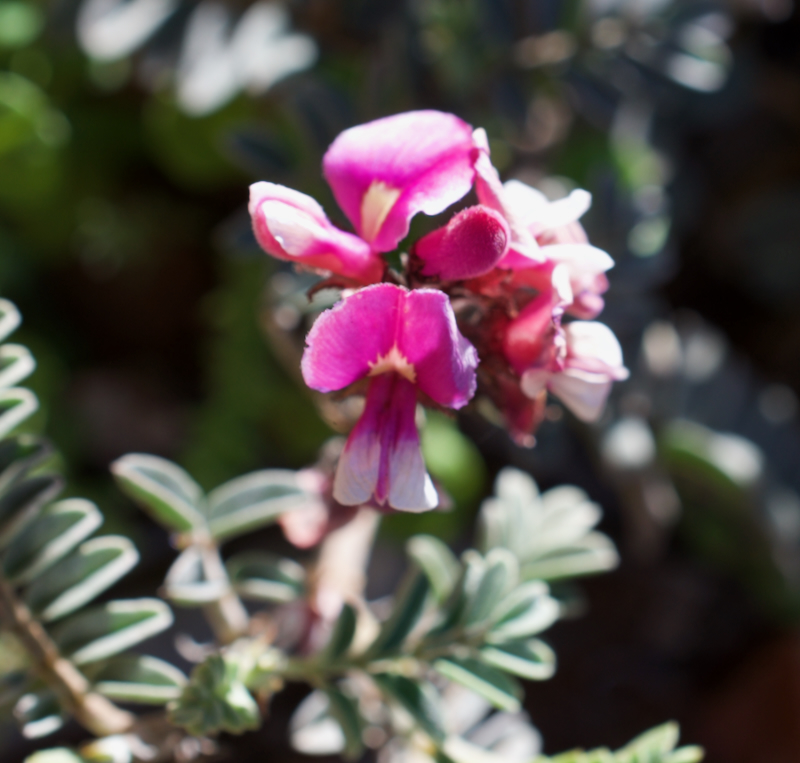
Silver Indigo with pink flower (likely to be Indigofera cornuligera subsp. cornuligera) observed flowering in a gorge near Finke Creek in the Northern Flinders Ranges in September.
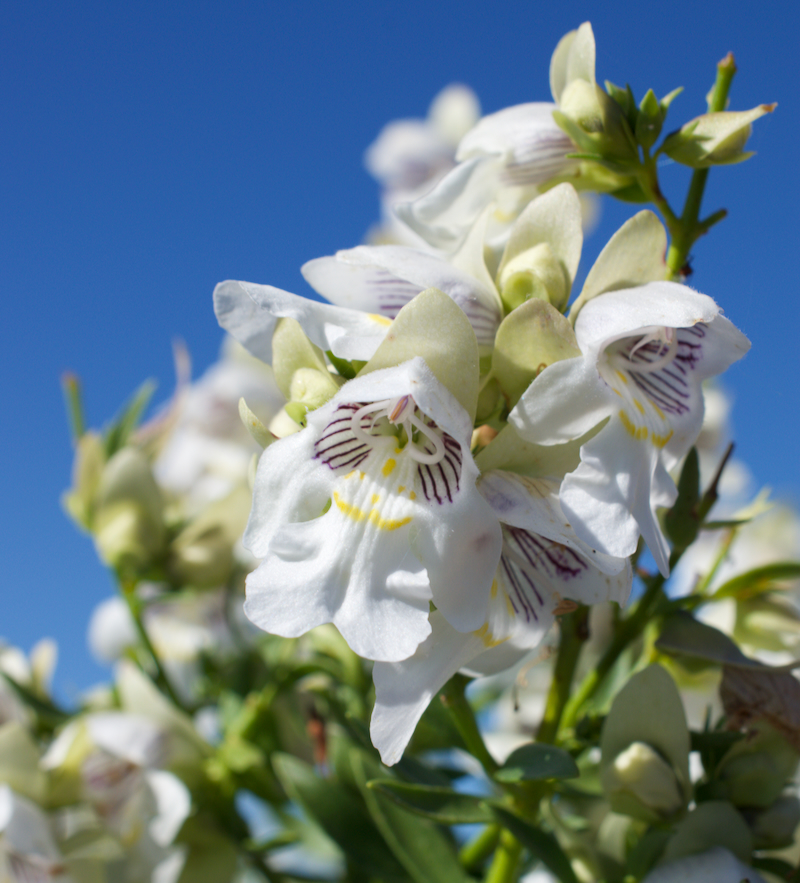
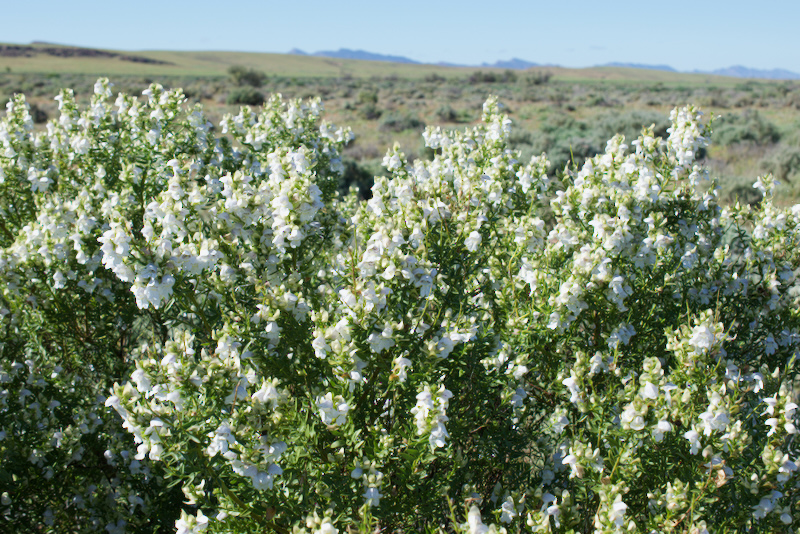
A small cluster of aromatic Prostanthera striatiflora, known as Jockey’s Cap or the Striated Mintbush was observed flowering in early spring in rocky clay north of Nilpena. It is endemic to Australian arid lands, but not a common site in the area.
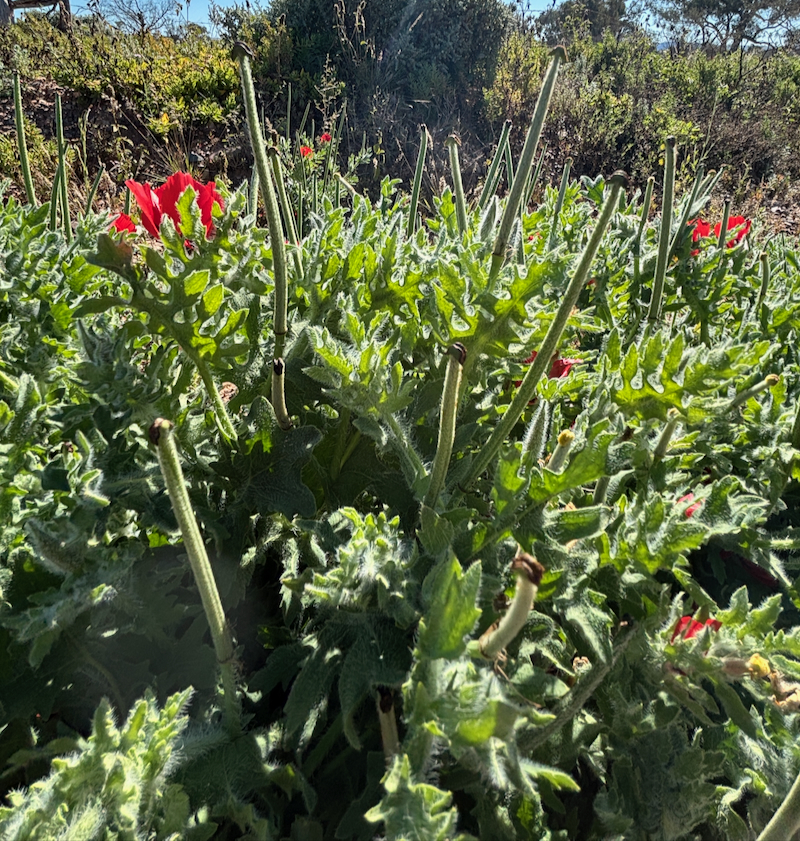
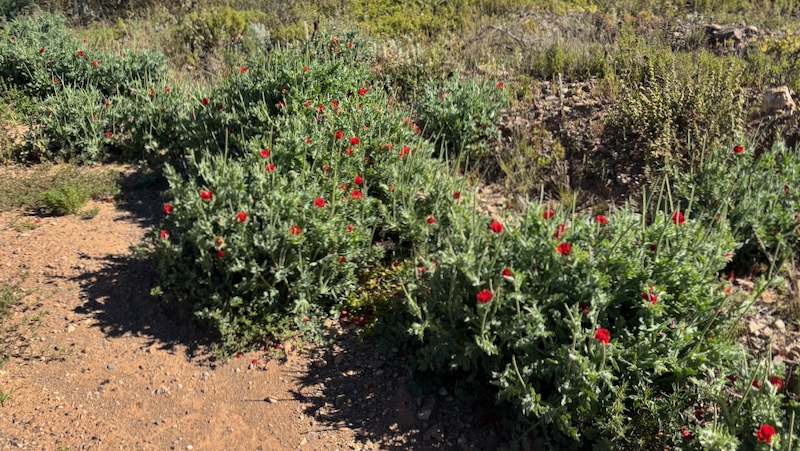
The Red Horned Poppy (Glaucium corniculatum) is a weed species appearing in the Flinders and Gammon Ranges.