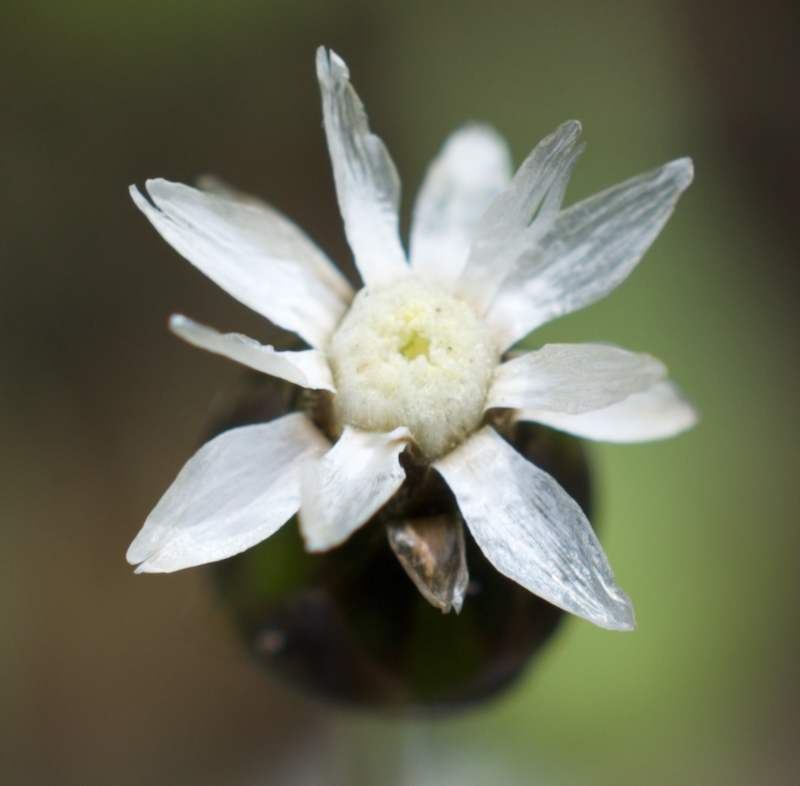
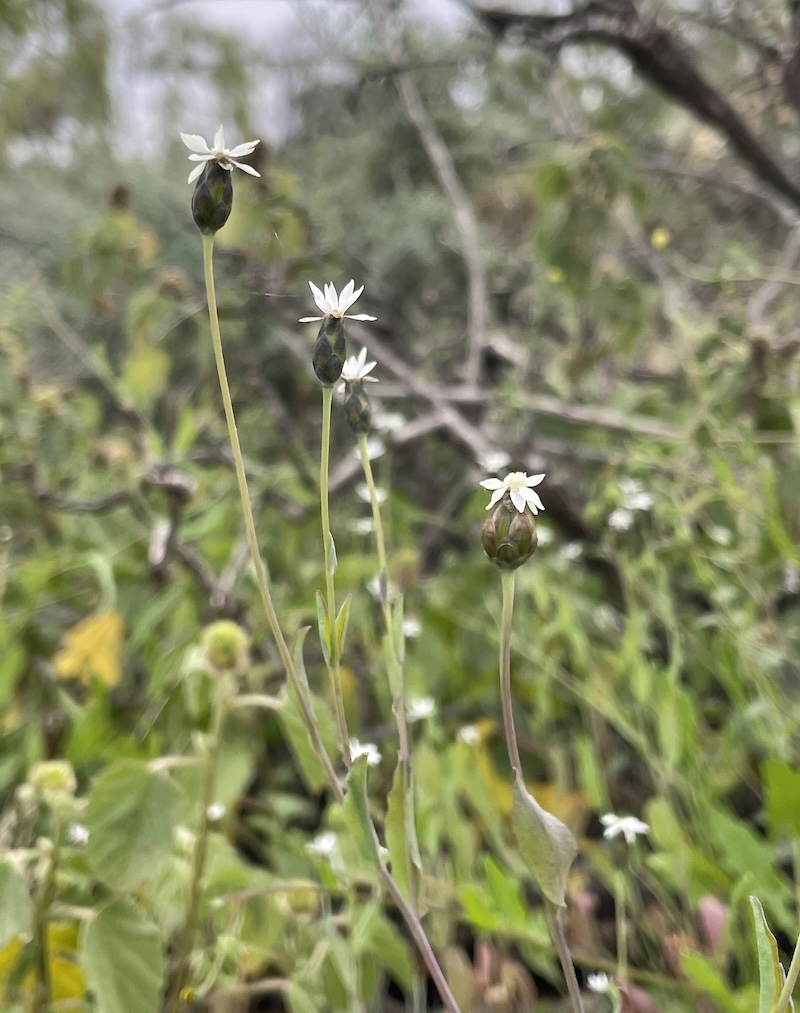
Swainsona tephrotricha, the stunning Ashy-haired Swainson-pea, is endemic to South Australia. It was seen flowering in rocky ground to the east of Nepabunna after rains.
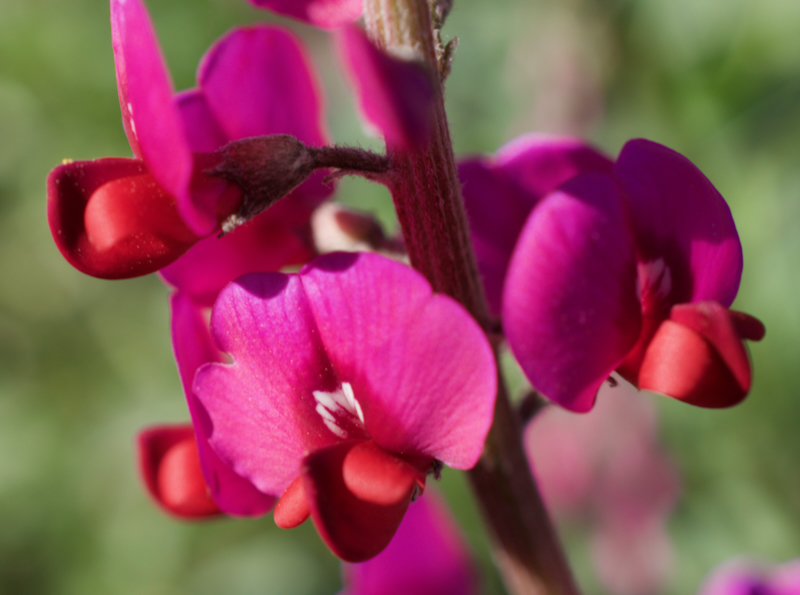
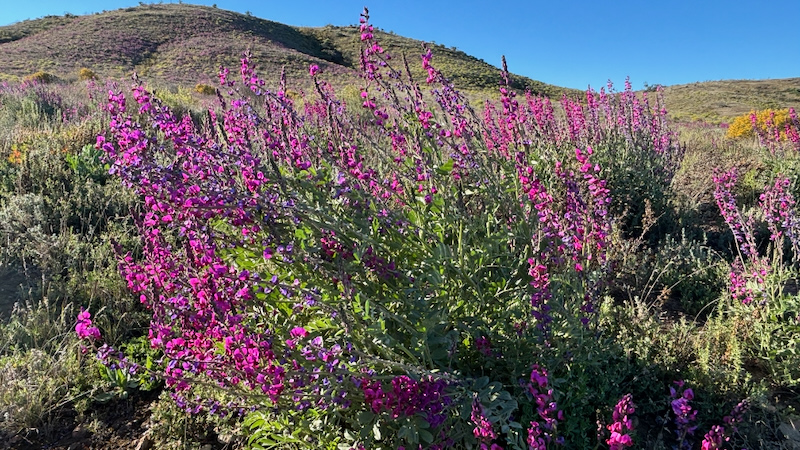
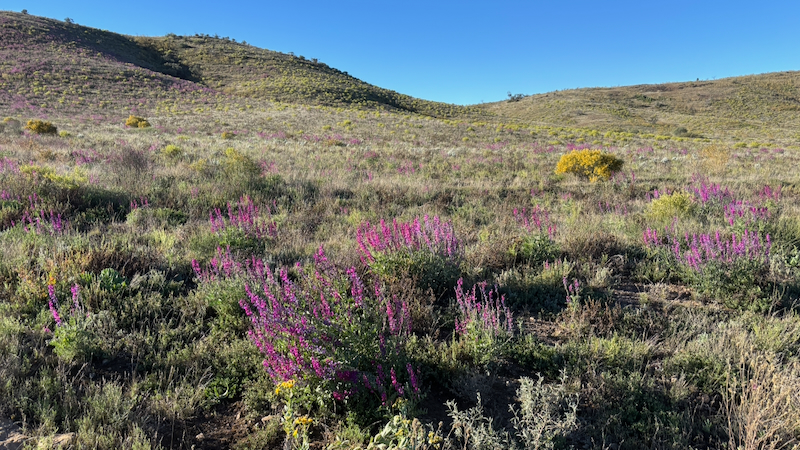
Swainsona tephrotricha, the stunning Ashy-haired Swainson-pea, is endemic to South Australia. It was seen flowering in rocky ground to the east of Nepabunna after rains.
Koch’s Pigface (Gunniopsis kochii) is a compact succulent, indigenous to SA but near threatened in the Flinders Ranges.
Flowering in early spring in sand near Lyndhurst:


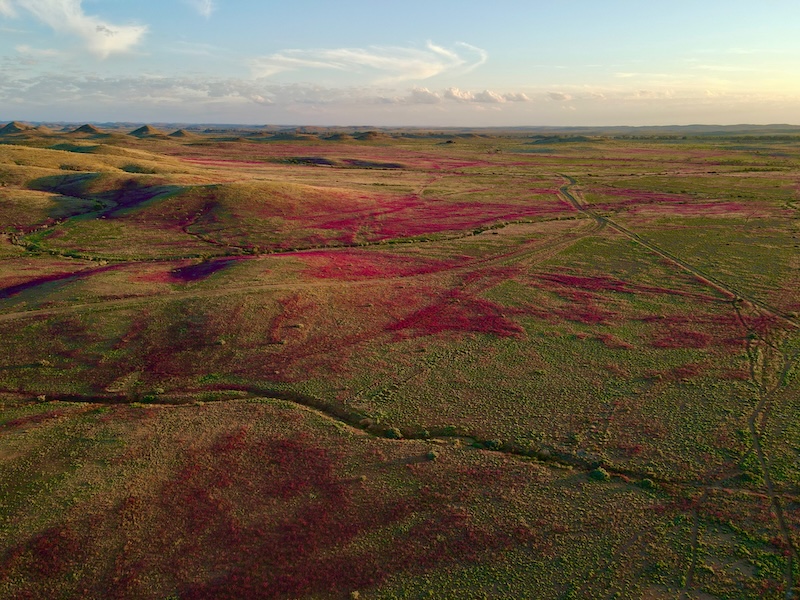
These stunning aerial photographs show a profusion of Purple Darling Pea (Swainsona purpurea) flowering at Mt Lyndhurst Station on the Strzelecki Track, during a wet winter.
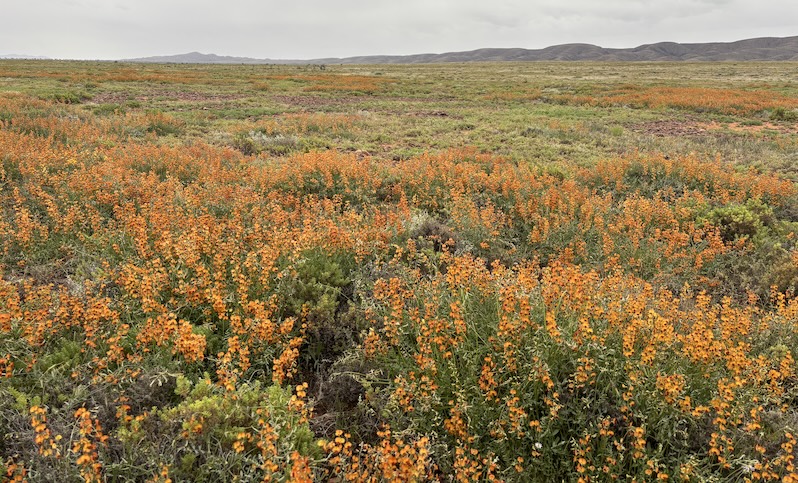
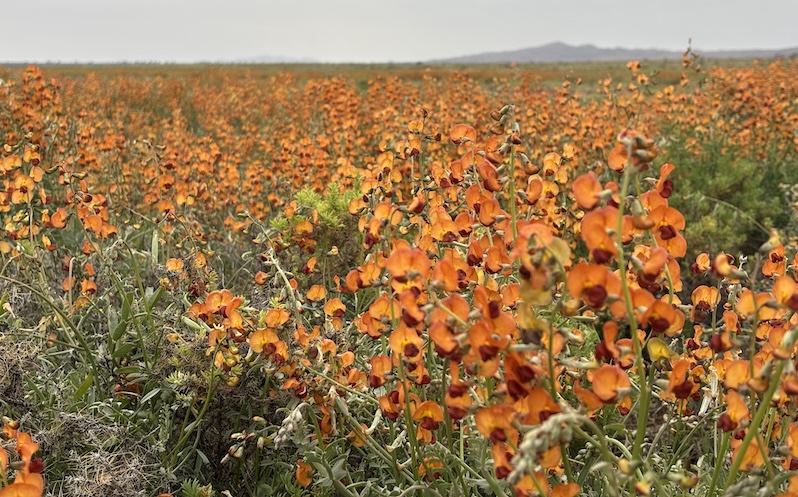
Orange Darling Pea (Swainsona stipularis) flowering on the plains of Myrtle Springs Station in the Northern Flinders Ranges after rains.
Veined Peppercress, Lepidium phlebopetalum, flowering in winter. 30cm tall, growing in clay in the Northern Flinders Ranges, leaves are a source of bush tucker.
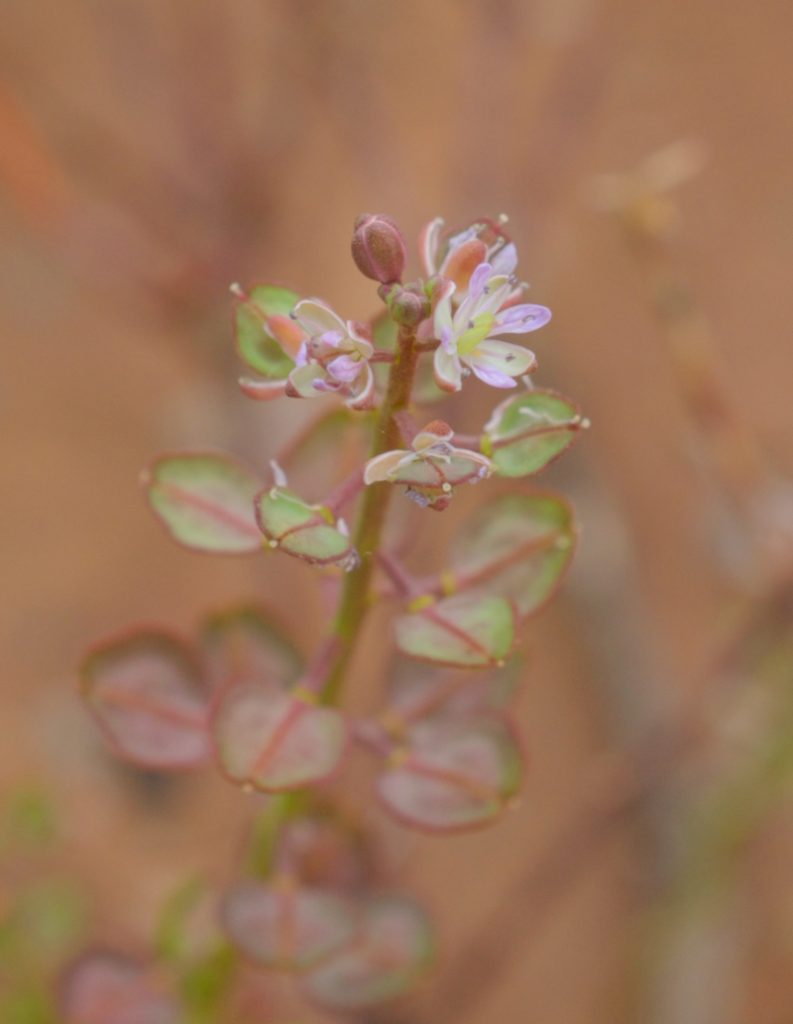
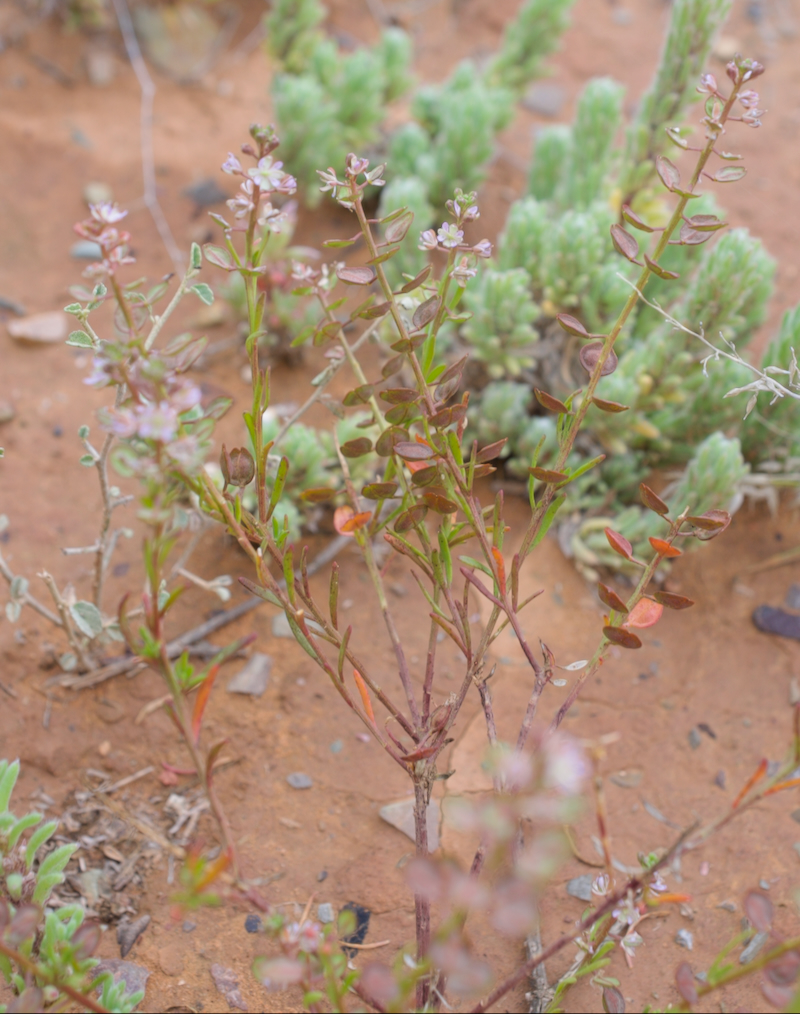
Pygmy Sunray, Rhodanthe pygmaea, flowering on the clay commons of Copley in the Northern Flinders Ranges. 6cm tall.
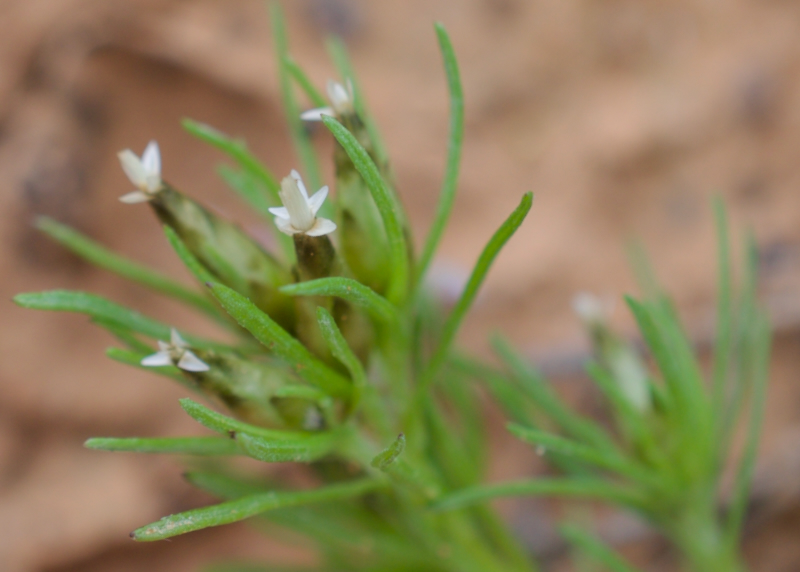
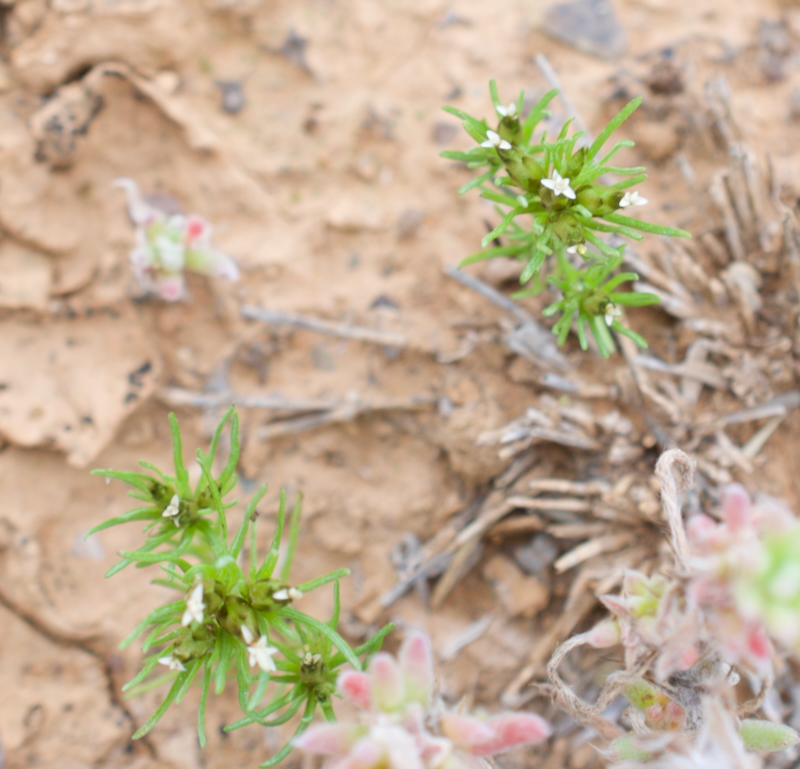
A minute flowering plant, observed on the Copley commons in July. Some of these entire plants are as small as 10mm wide. Can you identify this plant?


Silky Goodenia (Goodenia fascicularis) flowering in the rocky clay of the Copley commons in after rains.
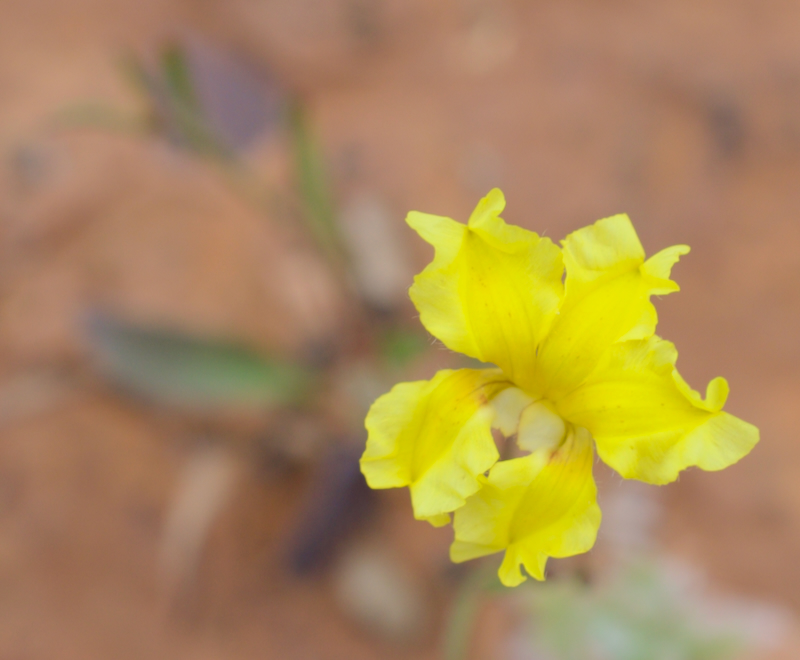
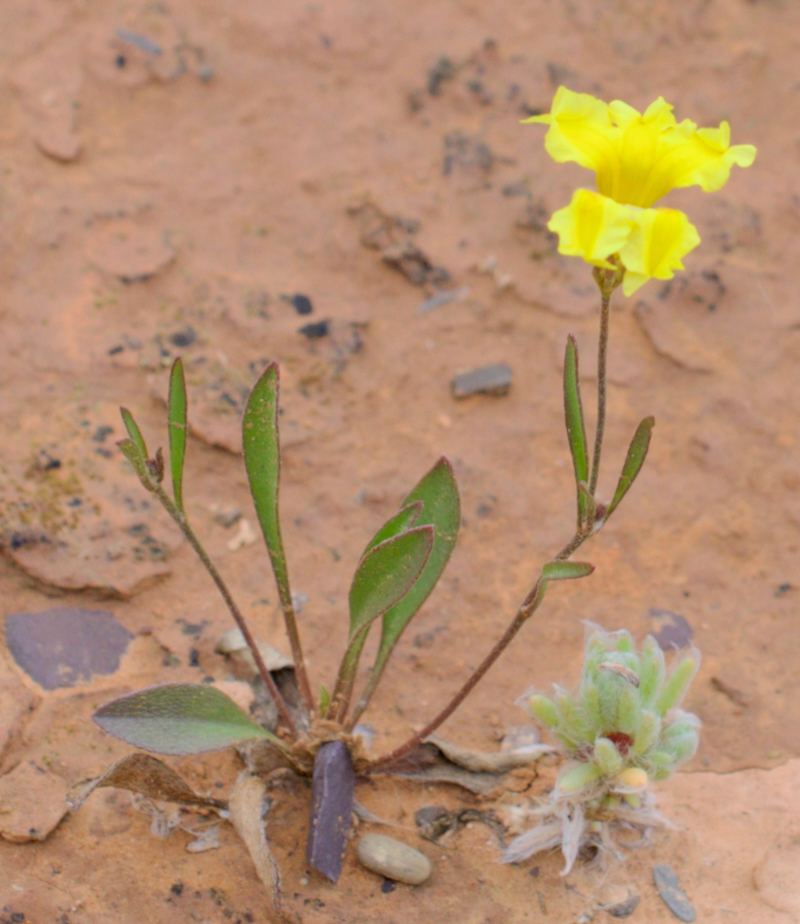
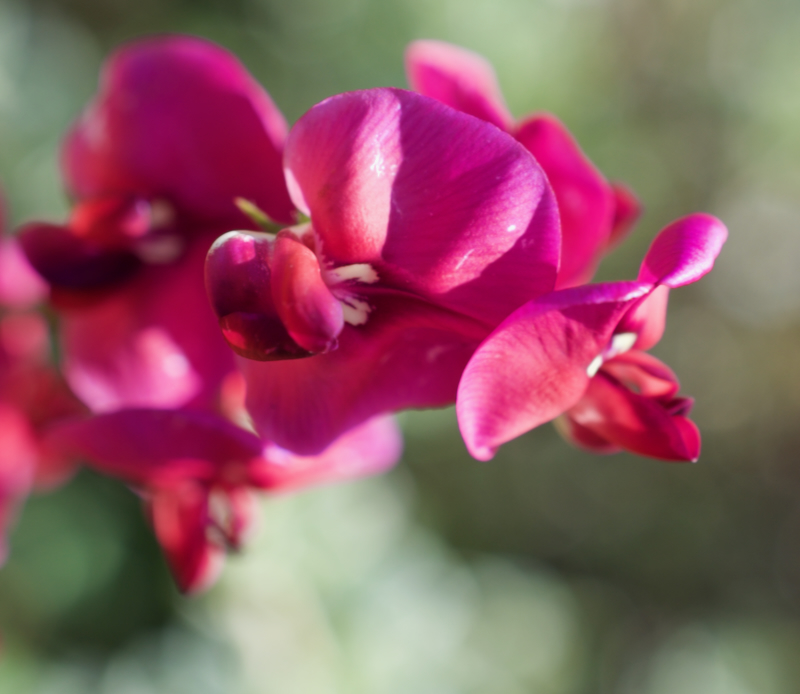
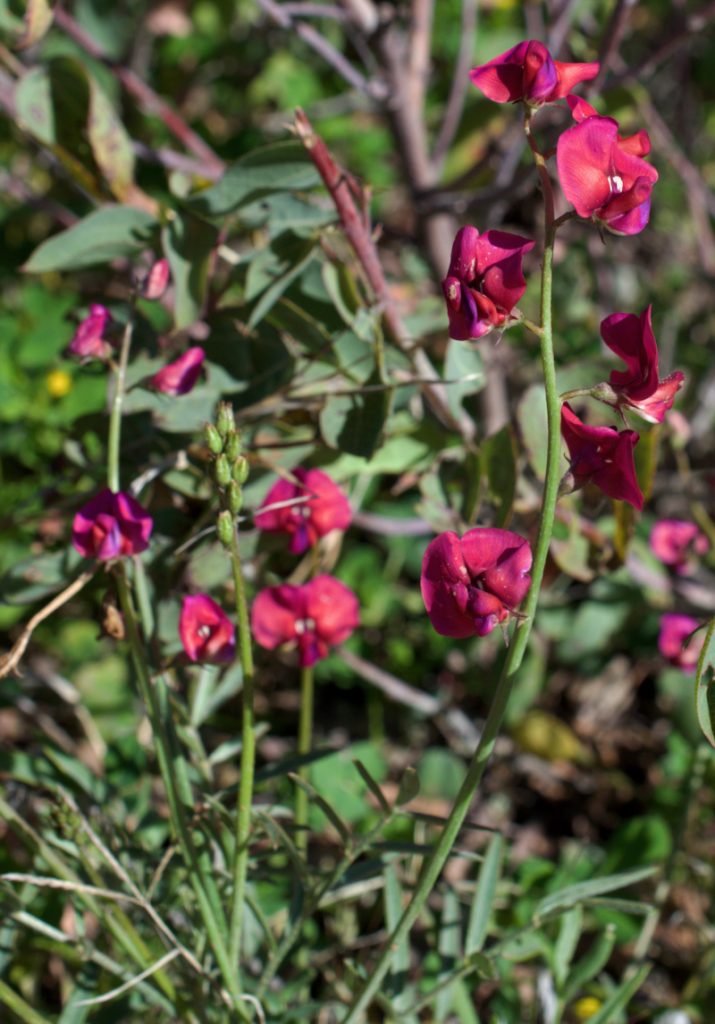
Purple Darling Pea, Swainsona purpurea, flowering in Copley, Northern Flinders Ranges, after rains.
Rhodanthe stricta, the Slender Sunray flowering in Copley in the Northern Flinders Ranges in August. Flowers are less than 1cm wide.