
Maltest Star-thistle (Centaurea melitensis) is an annual native to Southern Europe and Northern Africa. Observed in a creekbed in the Gammon Ranges.
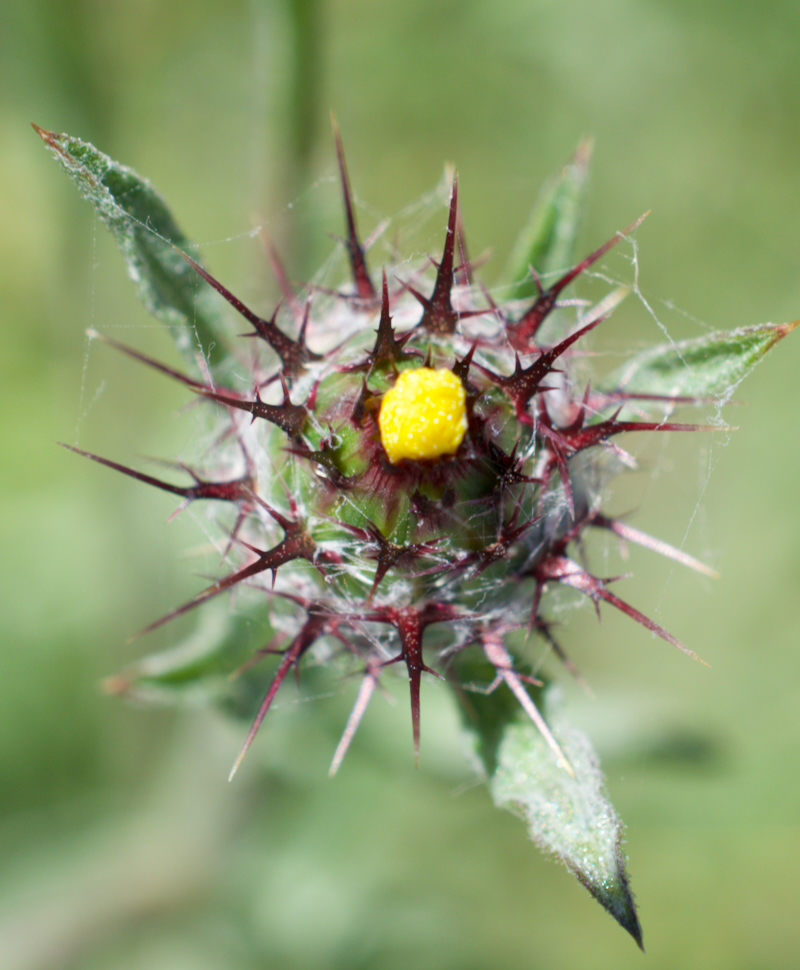
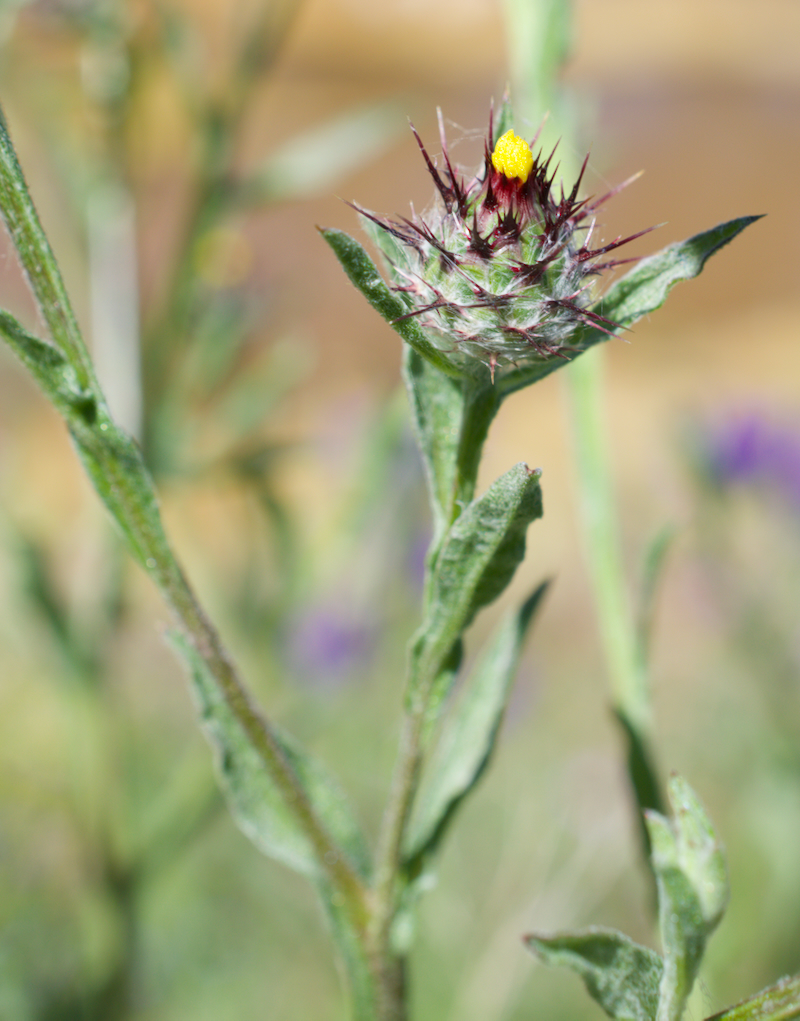
Maltest Star-thistle (Centaurea melitensis) is an annual native to Southern Europe and Northern Africa. Observed in a creekbed in the Gammon Ranges.
Malva parviflora, known also as Cheese-weed Mallow, is introduced and widespread weed. By comparison, the native Malva weinmanniana is a taller hollyhock with larger blooms.
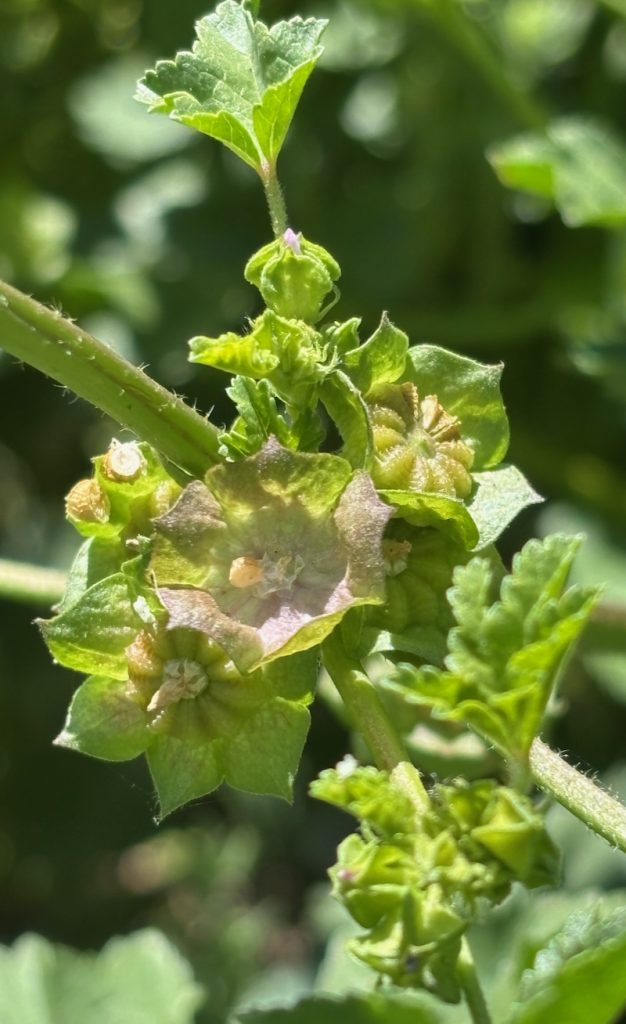
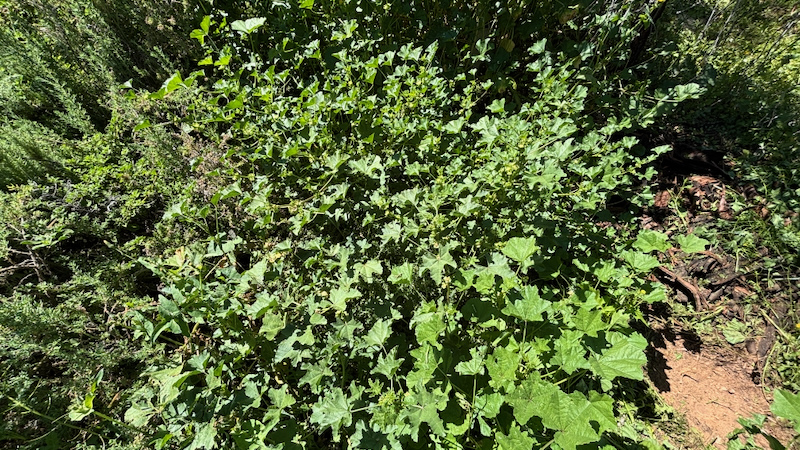
Introduced Bur-Clover, Medicago polymorpha, appearing in large numbers on roadsides in Copley Flinders Ranges, after a rainy year. Also known as Bur Medick, Toothed Medick and Toothed Bur-Clover.
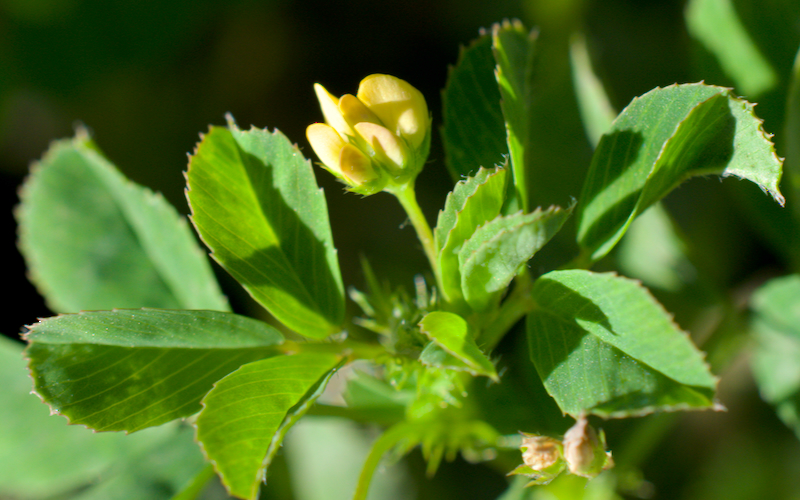
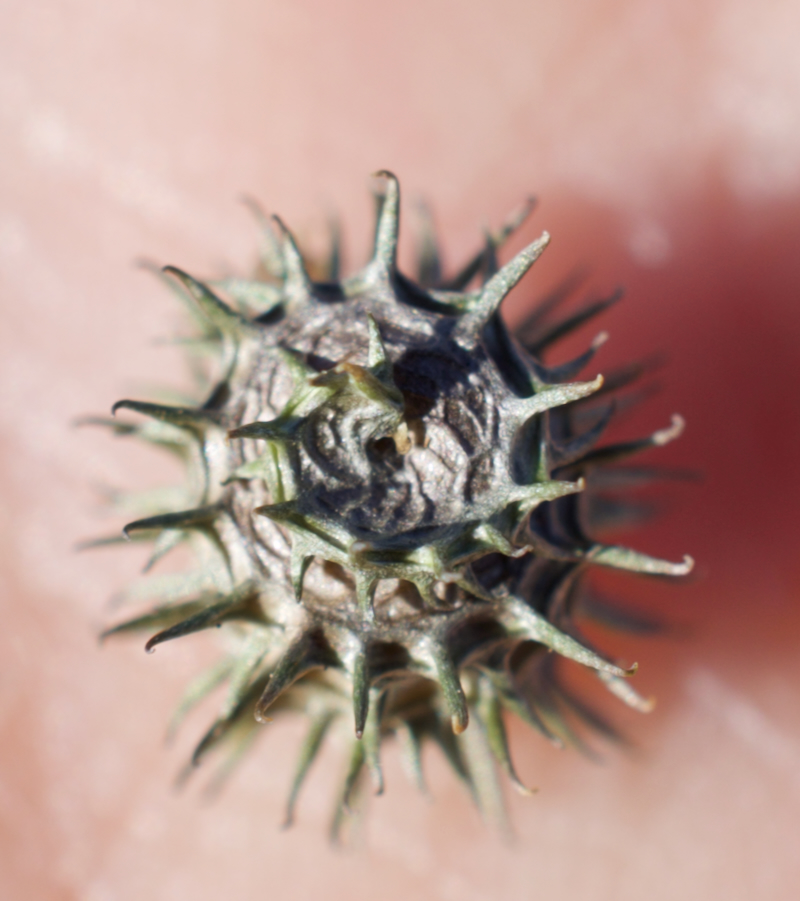
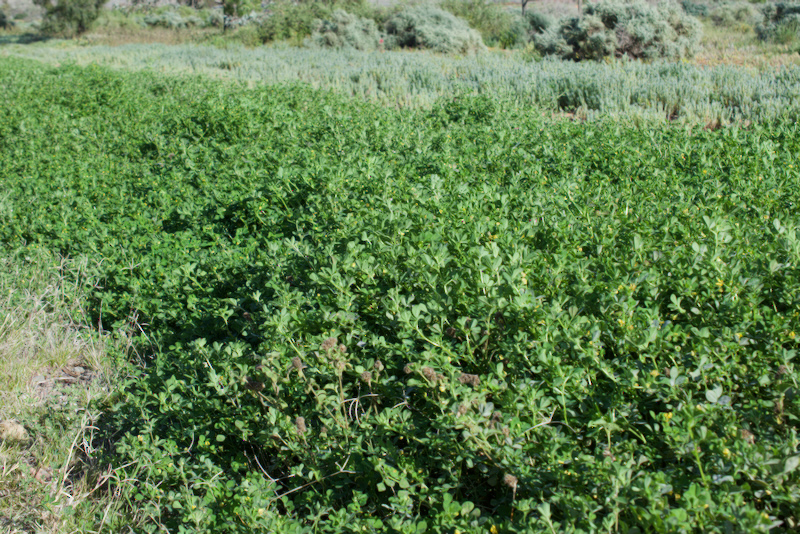
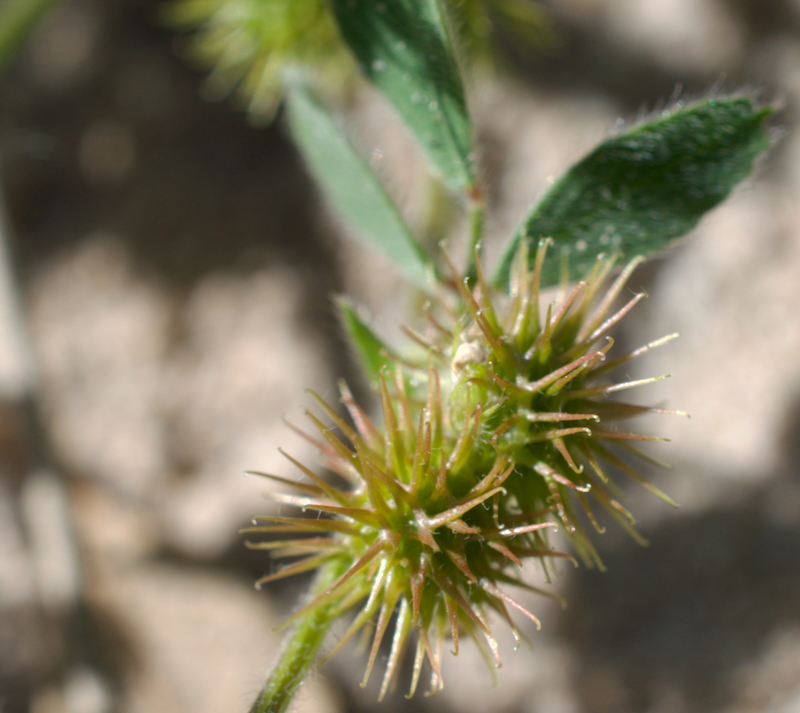
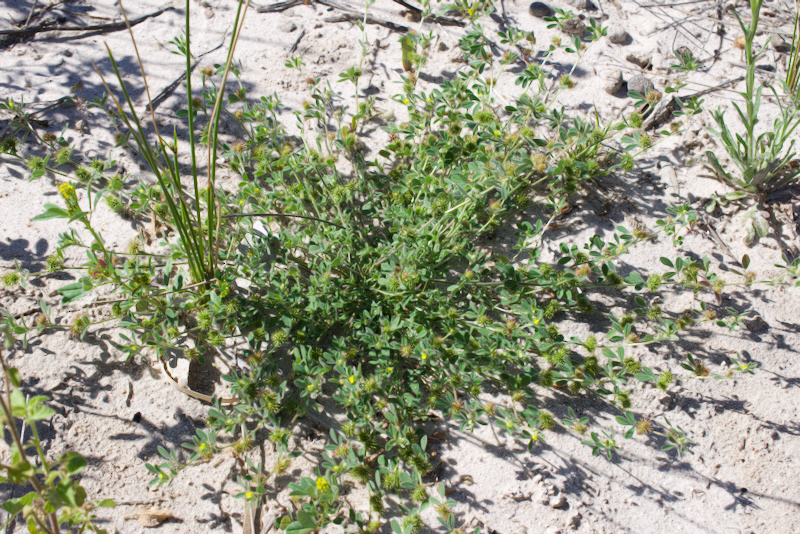
Introduced Little Bur-Clover, Medicago minima, appearing in large numbers in the Copley area, Flinders Ranges, after a rainy year. Also known as Woolly Bur Medick.
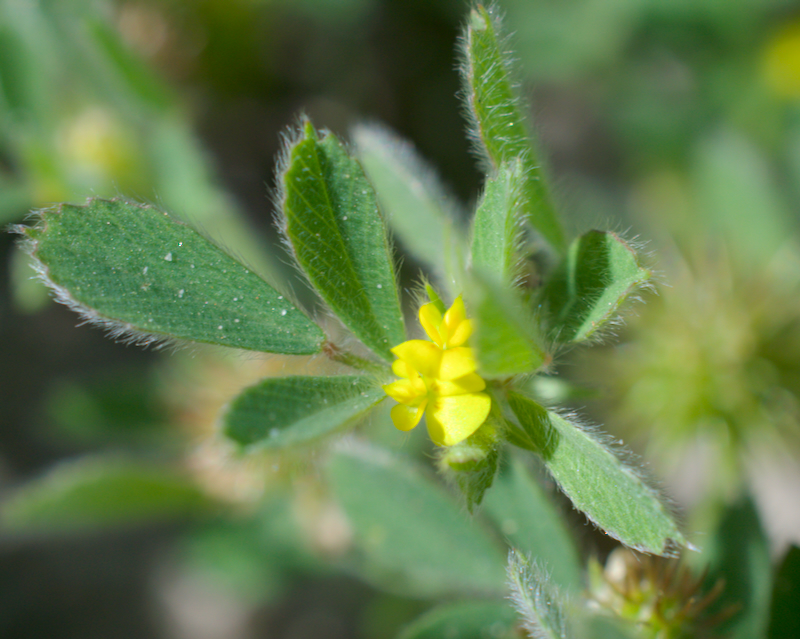
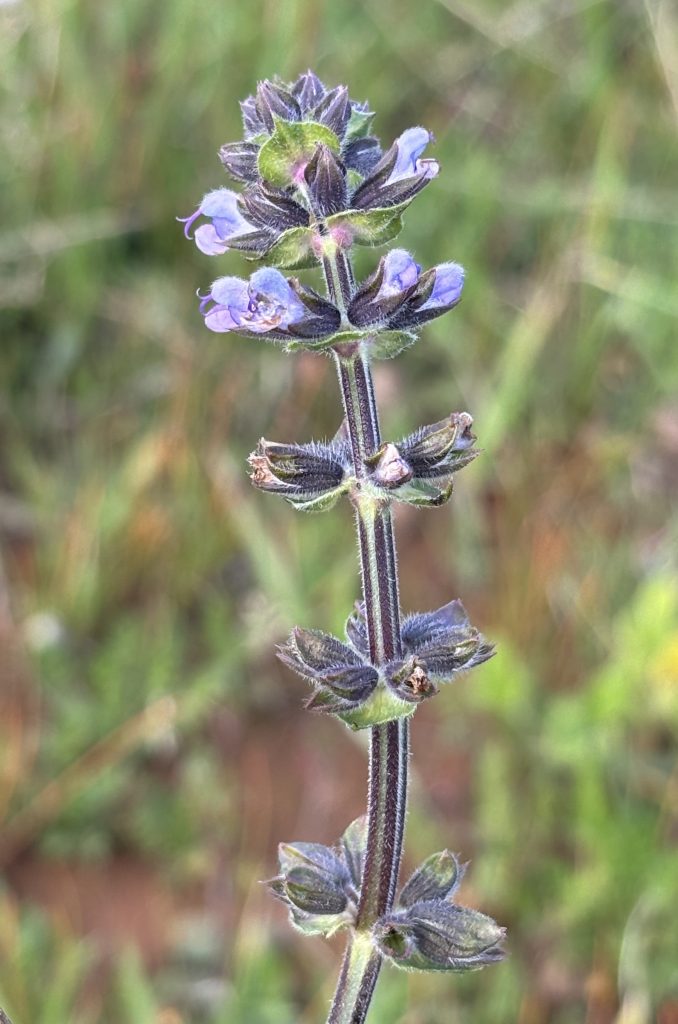
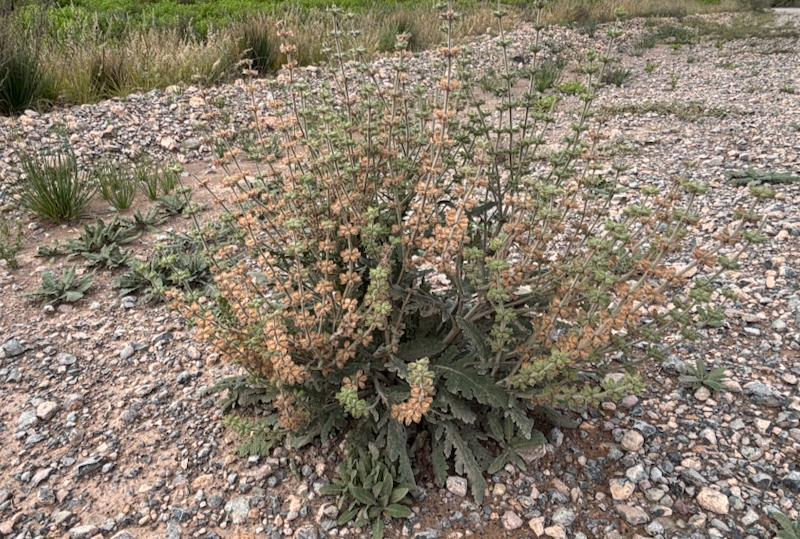
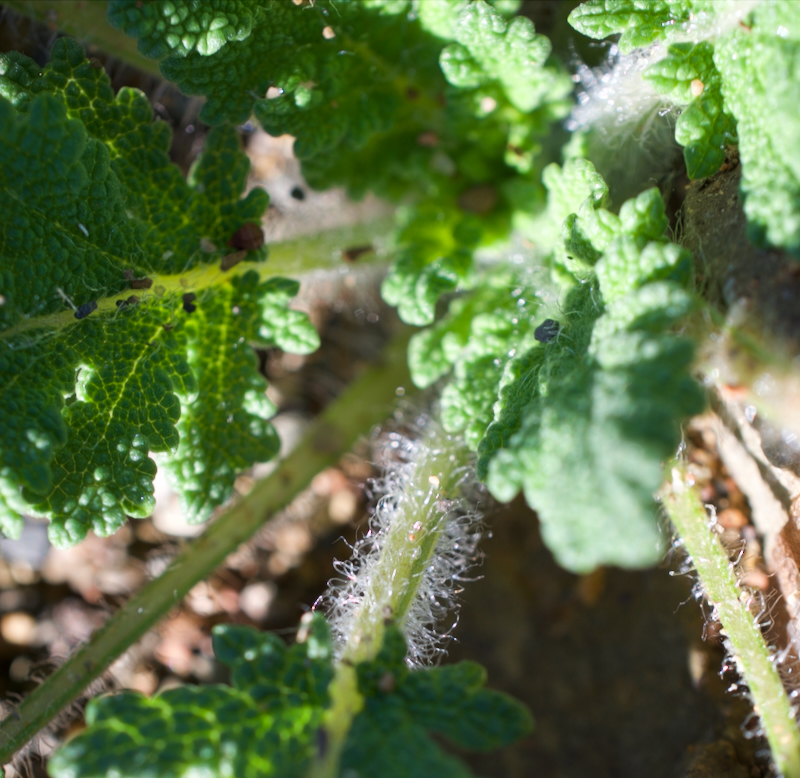
Salvia verbenaca, Wild Sage, is an introduced weed in South Australia. Seen growing along roadsides and creeks in the Flinders Ranges.
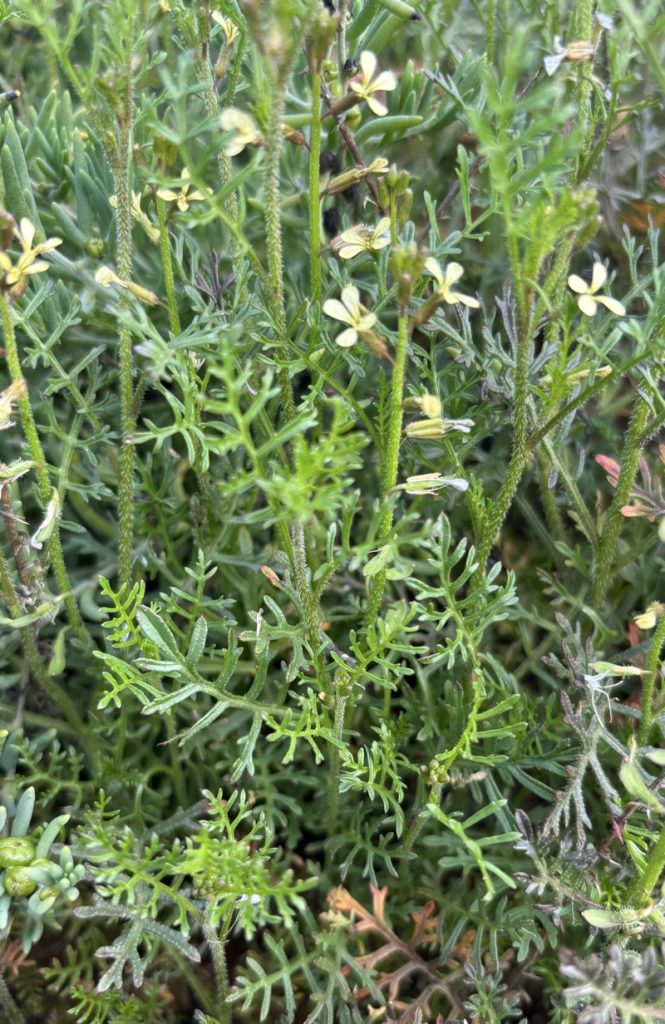
Carrichtera annua, Ward’s Weed, is an introduced brassica growing throughout the Flinders Ranges.
African Boxthorn (Lycium ferocissimum), is an introduced noxious weed. Fruiting in winter.


The introduced House Sparrow (Passer domesticus) is a common sight in the Flinders Ranges.

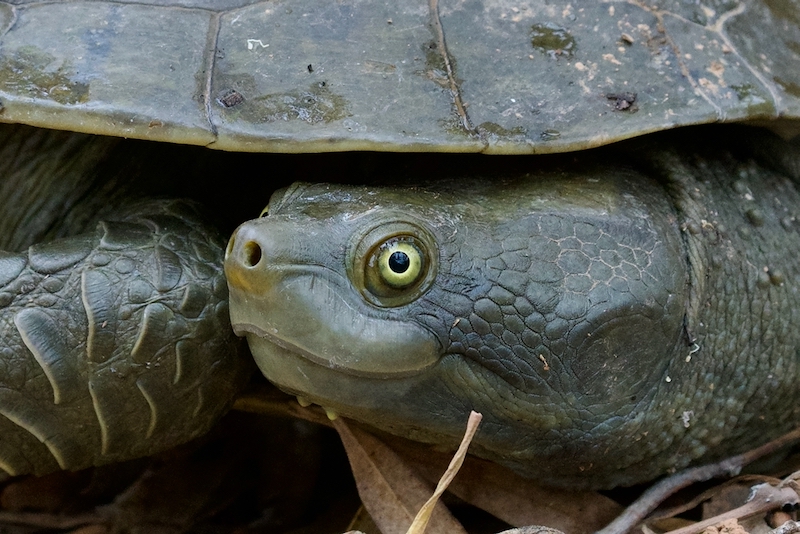
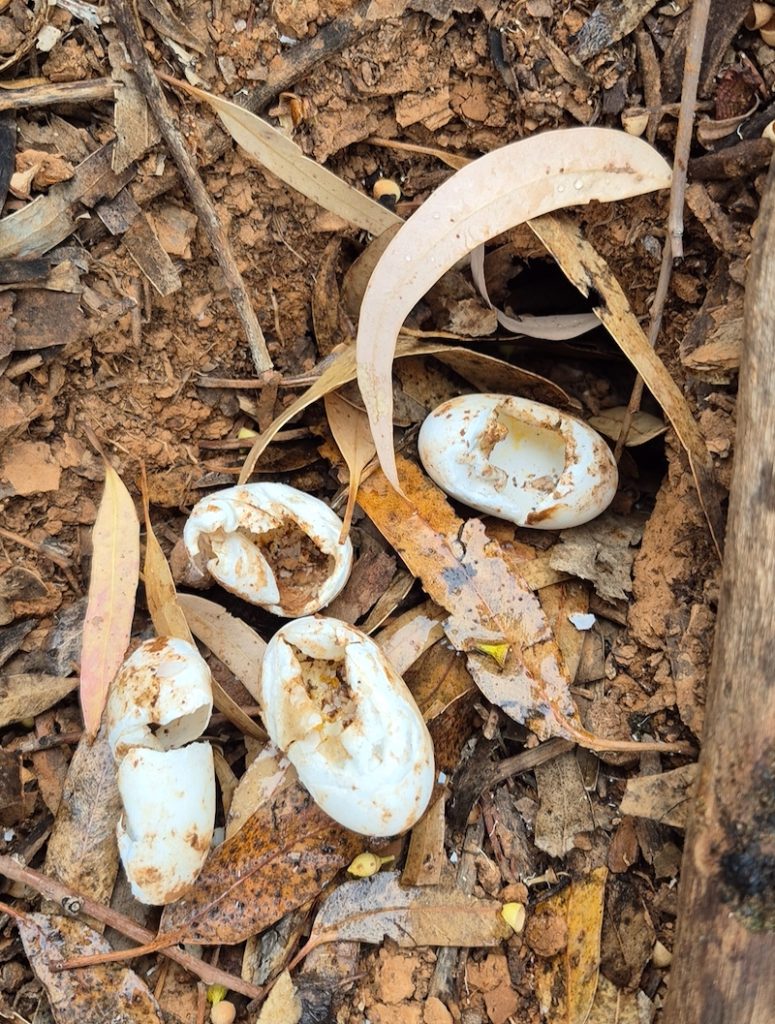
The introduced Murray River Turtles of Aroona Sanctuary dig a shallow hole above the banks of the Aroona Dam to house their eggs. In early November, they were seen in the act of digging nests. There were many other nests at the site, by which time, several were opened with egg shell remains. Incubation can take up to three months, or even the entire summer, with hatching happening after the rains of late summer or autumn. The opened eggs may have been preyed upon by native or introduced predators.

The Stemless Thistle (Onopordum acaulon) is a weed native to the Mediterranean. Seen flowering along the edges of a creekbed in the northern Flinders Ranges in October.
