
Murray River turtles (Emydura macquarii) are native to the Murray Darling Basin and introduced to Aroona Dam in the northern Flinders Ranges.


Murray River turtles (Emydura macquarii) are native to the Murray Darling Basin and introduced to Aroona Dam in the northern Flinders Ranges.
By the 1990s, Yellow-footed Rock-wallabies (Petrogale xanthopus) in the northern Flinders Ranges were under serious threat from predation, habitat degradation, historical hunting, and genetic isolation. In 1995, the area surrounding Aroona Dam was proclaimed a wildlife sanctuary. The following year, wallabies bred in captivity at Adelaide Zoo were reintroduced to the site. At the same time, major conservation measures were implemented, including fox and rabbit control, goat culling, and revegetation programs. Thanks to continued management and monitoring, the Yellow-footed Rock-wallaby population at Aroona Sanctuary has become self-sustaining and continues to breed successfully in the wild.


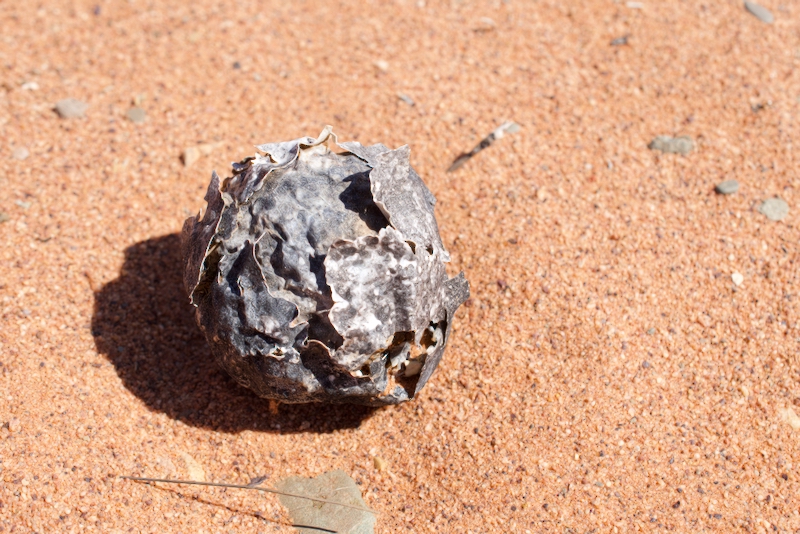
Also commonly known as Paddy Melon, Camel Melon (Citrullus amarus) was introduced to South Australia with camels in the 19th century. Though related to squash, gourds and melons, Camel Melon is not generally eaten. The fruit (approximately 8cm wide), dries into a resilient seed casing, leading to a proliferation of this plant in various harsh outback conditions, including sand dunes.
African Boxthorn (Lycium ferocissimum), introduced from Africa for spikey hedge fences, is considered a noxious weed. With similarities to Goji Berry, the fruit (when ripened to red) is edible. Seen here fruiting in October at Warren Gorge, near Quorn.

After nearly 15 years out of print, the second, fully revised edition of Plants of Outback South Australia has been published. A collaboration between the State Herbarium of South Australia (Botanic Gardens and State Herbarium) and the Pastoral Unit (Department for Environment and Water), this is a key field guide to South Australia’s arid lands.
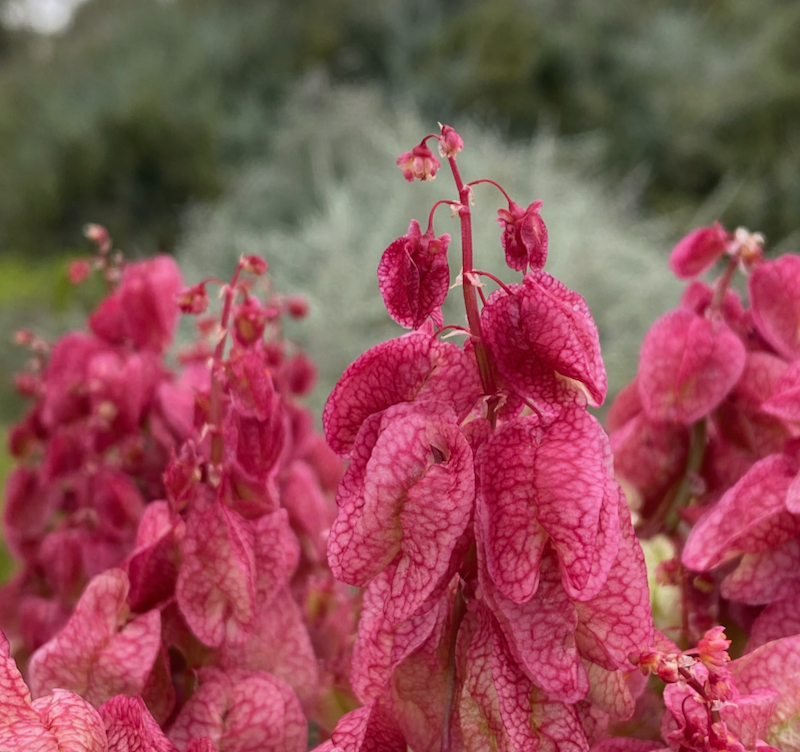
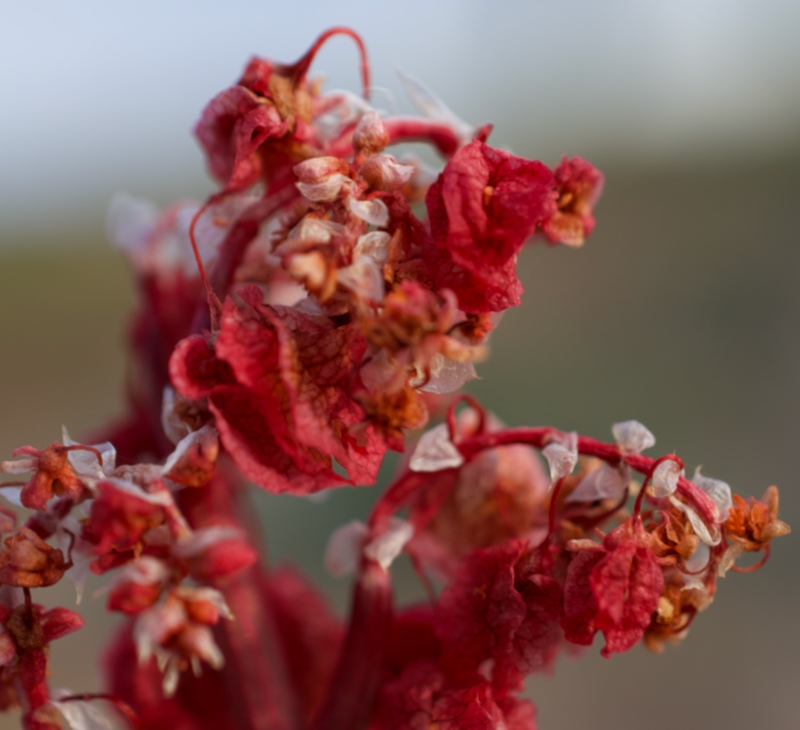
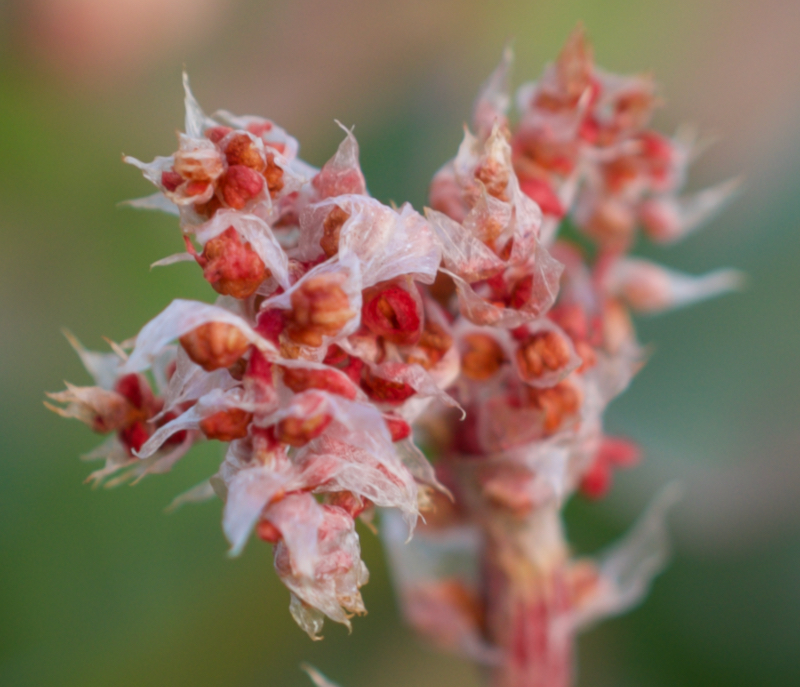
Acetosa vesicaria, known as Red Dock or Wild Hops, is thought to be introduced in the saddles of early Afghan cameleers. Responding quickly to rainfall, Wild Hops can create a stunning flush of colour through the Flinders Ranges.
Introduced species Common Fumitory (Fumaria officinalis), of the poppy family, flowering near Copley in winter.

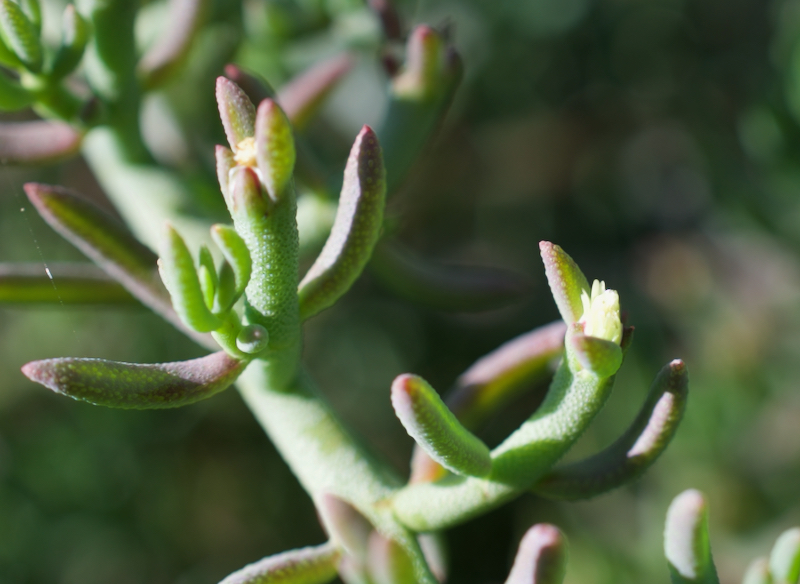
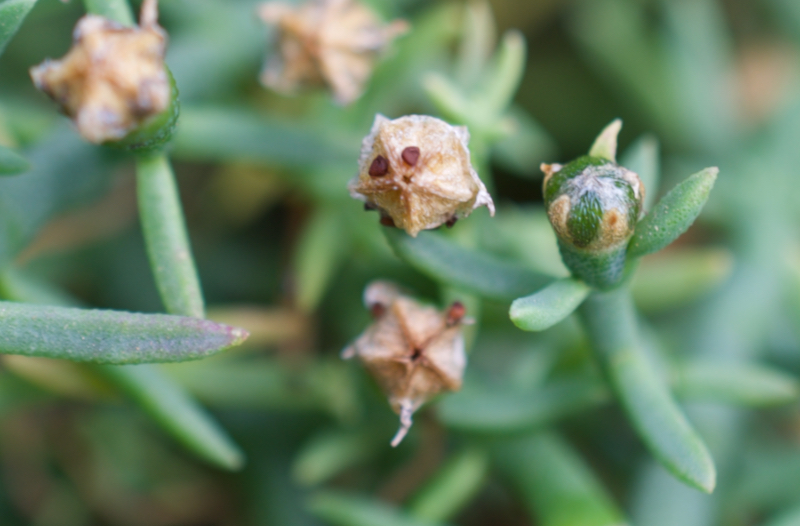
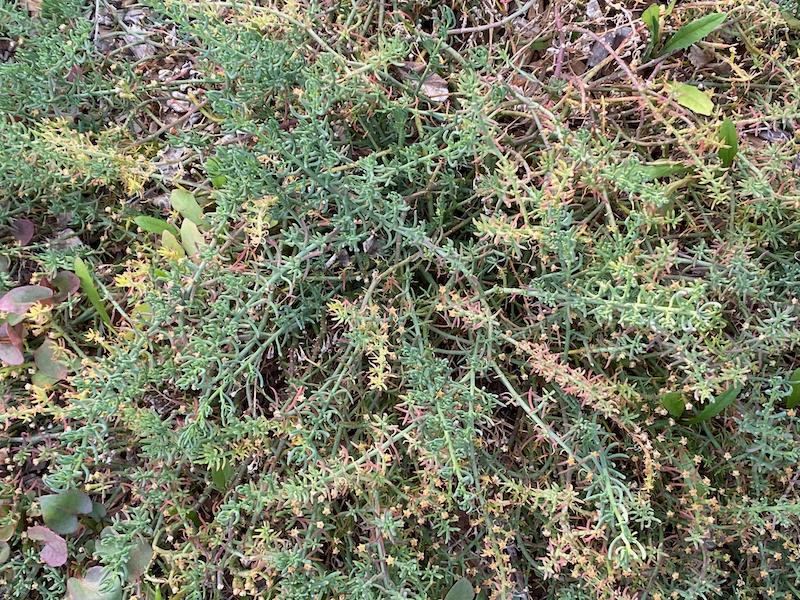
Introduced species Psilocaulon granulicaule, the succulent Wiry Noon-flower, flowering, fruiting and seeding in Copley in winter.

Also known as Paddy Melon, Pie Melon and Bitter Melon, Camel Melon (Citrullus amarus) is native to sub Saharan Africa and has been used as a food plant for thousands of years. Introduced to South Australia with camels in the 19th century. In the family of squash, gourds and melons, Camel Melon is not generally considered palatable.

Castor oil plant (Ricinus communis) is an introduced species historically cultivated for its oil which is used in food, medicine, industry and, some would argue, as a way of torturing children. Escaping from gardens, it can be seen in some waterways in the Flinders Ranges. Following floods, this stand south of Parachilna is growing up to 4 metres tall.
While flowers lack petals, female flowers have showy red stigmas and male flowers have numerous creamy yellow stamens. Flowering here in March.

