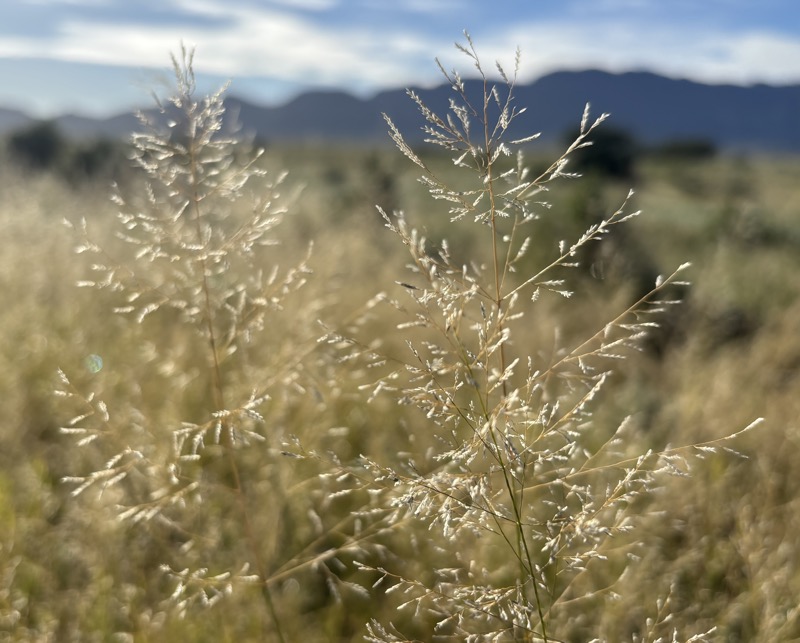
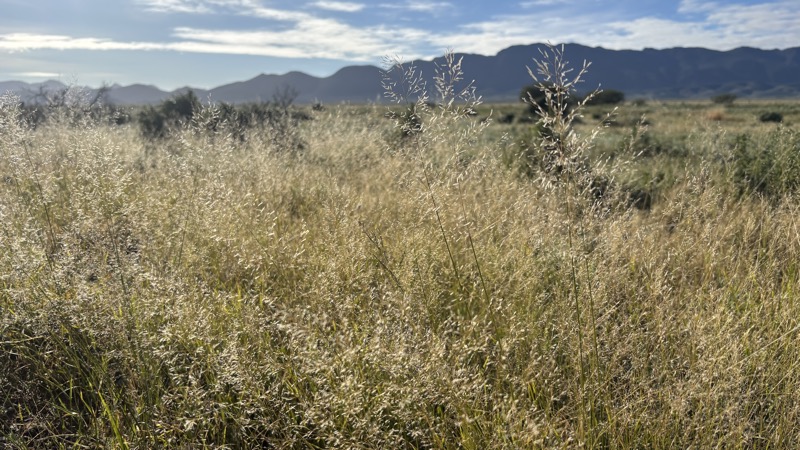
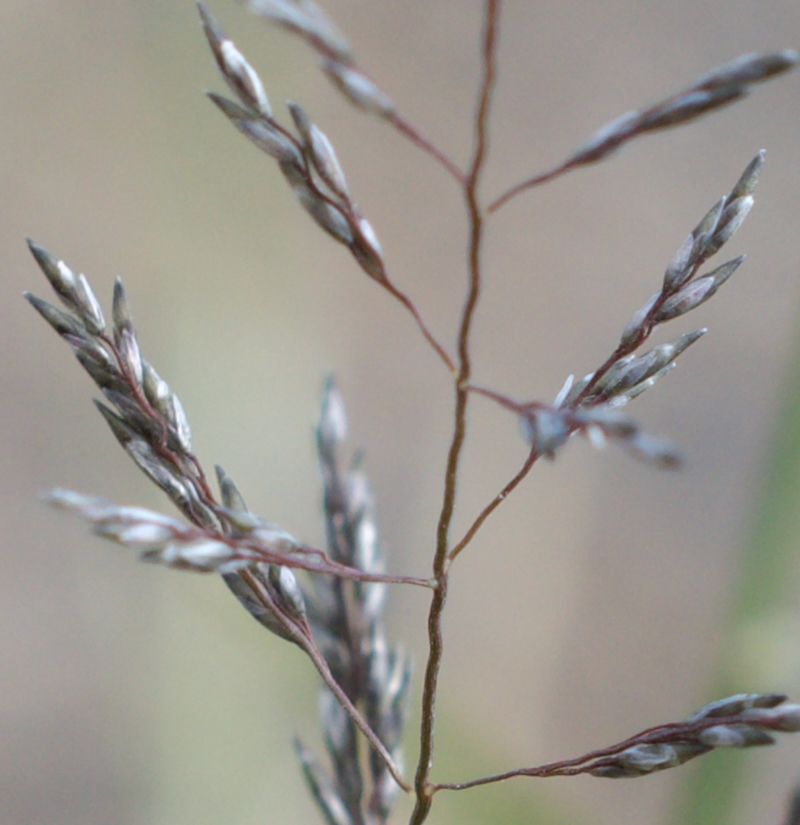
Mallee Lovegrass, Eragrostis dielsii, in the Copley Botanic Garden, northern Flinders Ranges.
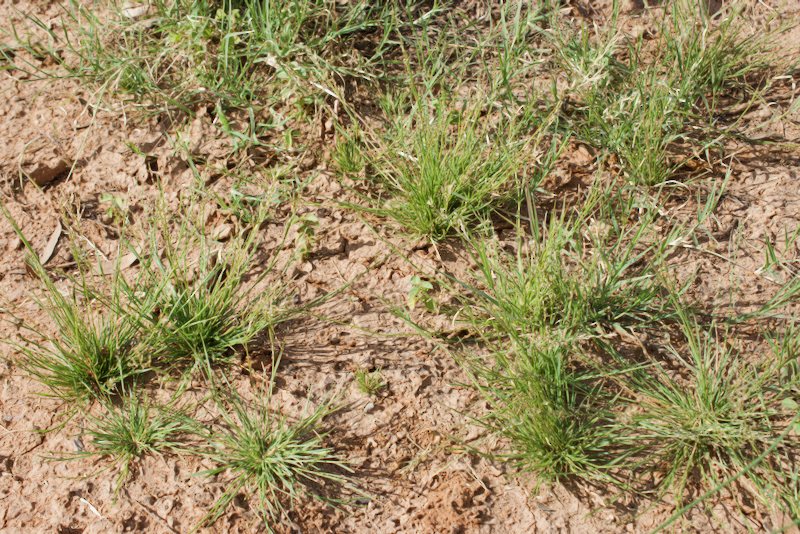

Mallee Lovegrass, Eragrostis dielsii, in the Copley Botanic Garden, northern Flinders Ranges.
The aromatic Lemon-scented Grass (Cymbopogon ambiguus) seeding in the northern Flinders Ranges in May.
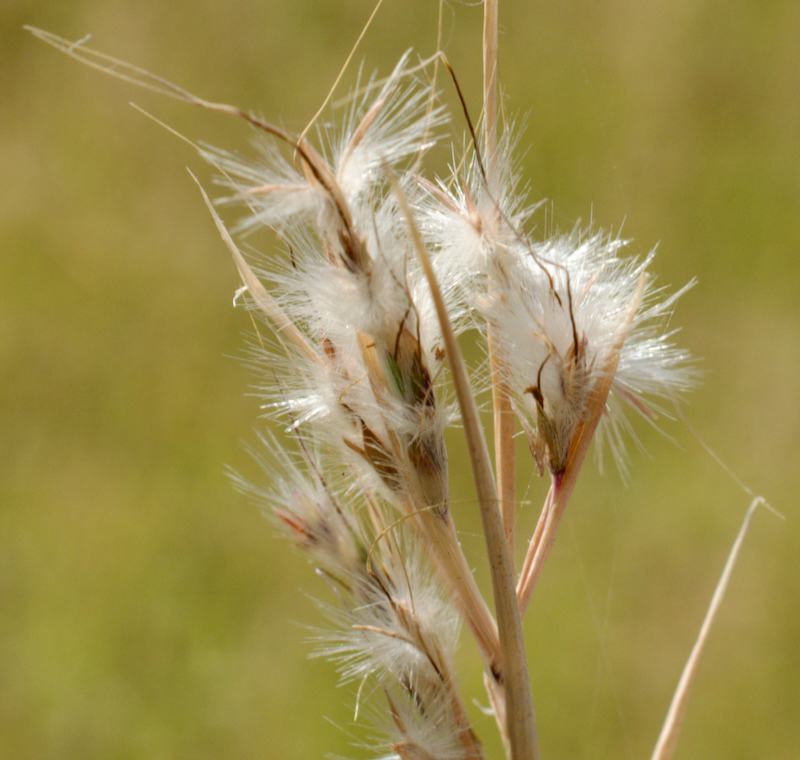
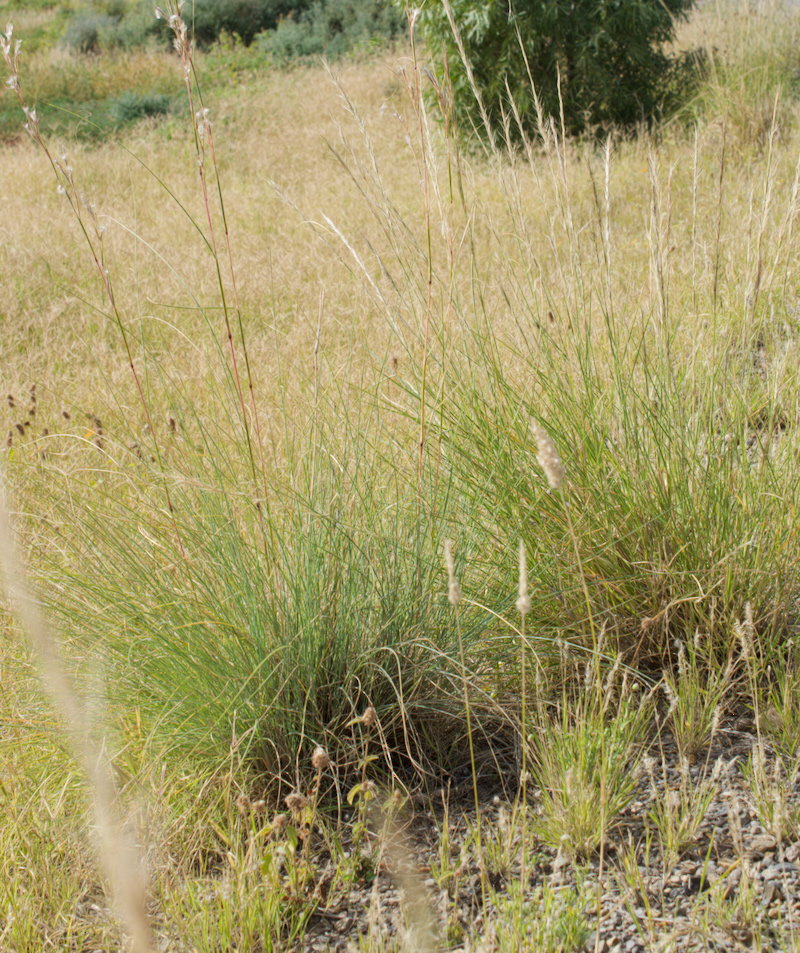
A species of Eragrostis, this Lovegrass has been observed growing in rocky ground in the central and northern Flinders Ranges, in winter.
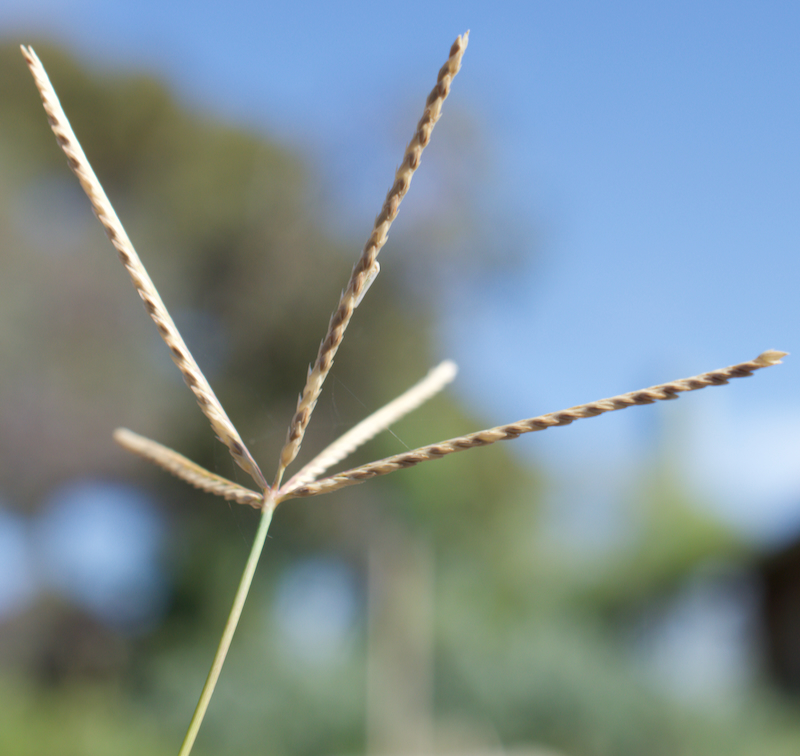
Enteropogon acicularis, also known as Curly Windmill Grass or Umbrella Grass, is a tussock-forming perennial grass found in the rocky clay soils of the Flinders Ranges. Shown here at the Copley Botanic Garden, it is distinguished by its distinctive spiked flower heads.
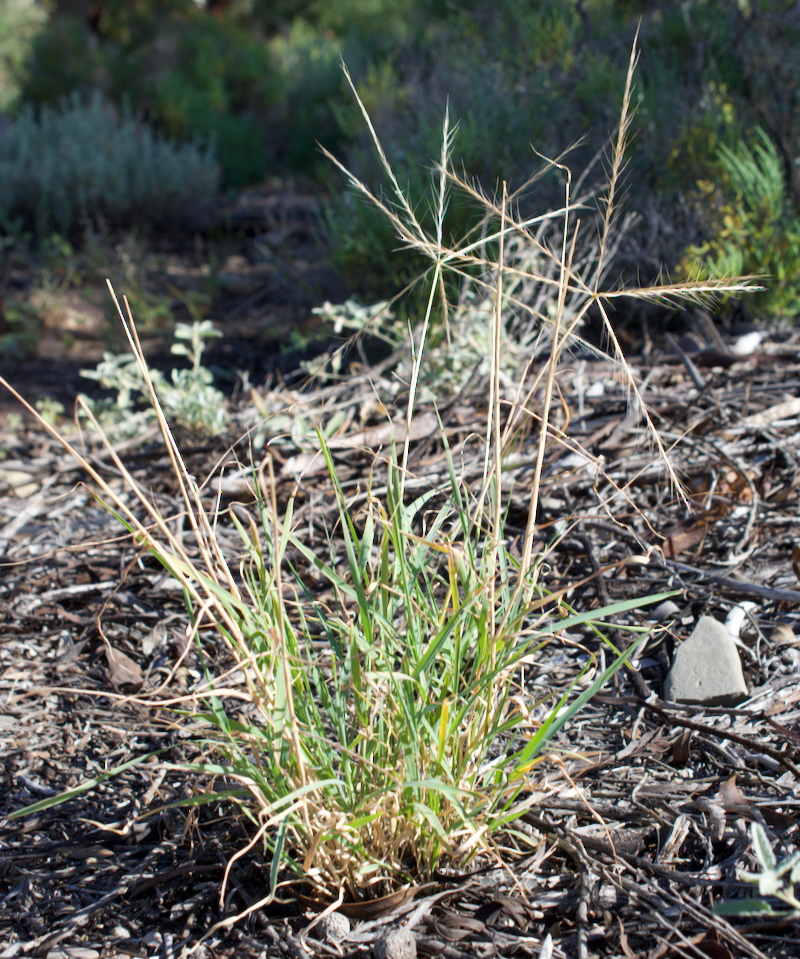

Cenchrus ciliaris, commonly known as Buffel Grass or African Foxtail Grass, is an invasive species in the Flinders Ranges. This large tufted grass forms dense clumps of vivid green growth and thrives in watercourses, floodplains, and along roadsides. It has recently spread into the northern Flinders Ranges, where strategic eradication programs are underway.

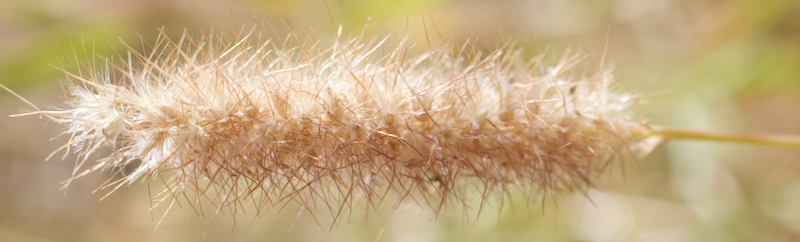
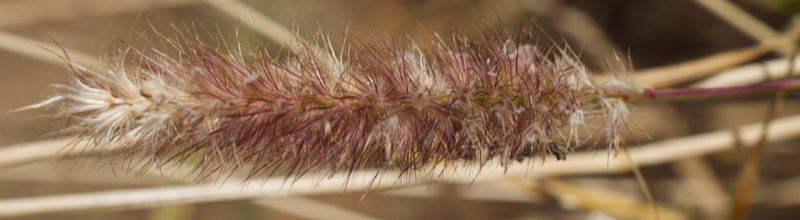
Couch-grass, Cynodon dactylon, is a common rhizomatous perennial grass in the Flinders Ranges.
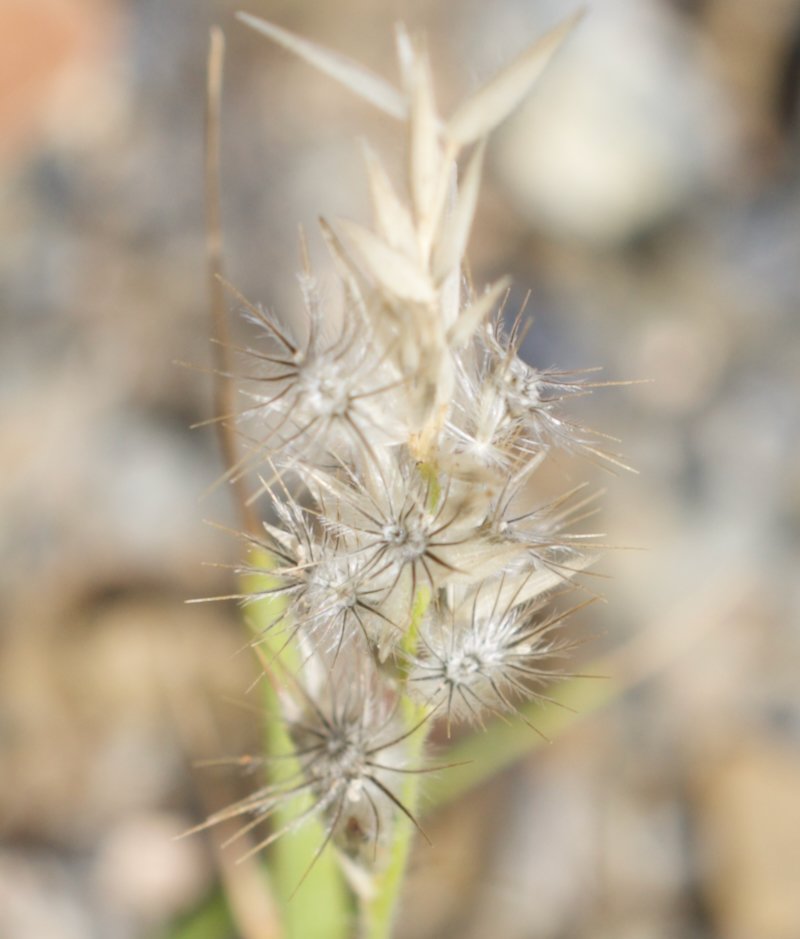
Two Enneapogon species of tufted grass, commonly known as Bottlewashers, are populating the Copley Botanic Garden in the Northern Flinders Ranges.
The compact Enneopogon avenaceus, the Common Bottlewasher:

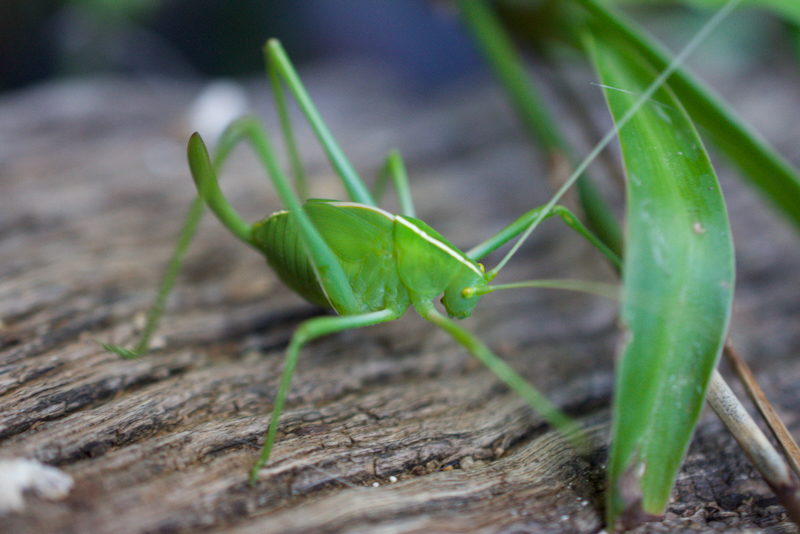
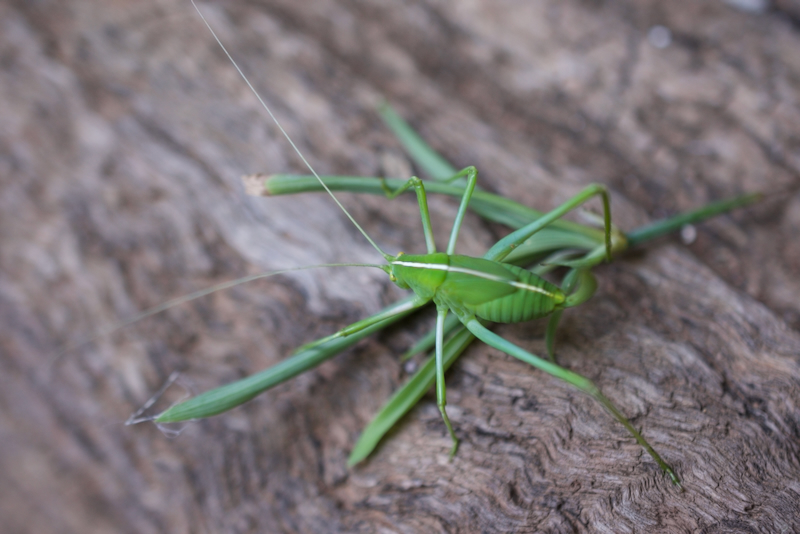
Juvenile predatory katydids hunt caterpillars and other insects. Built for ambush, they behave quite differently to their plant-eating cousins. Katydids belong to the order Orthoptera, which also includes crickets and grasshoppers.
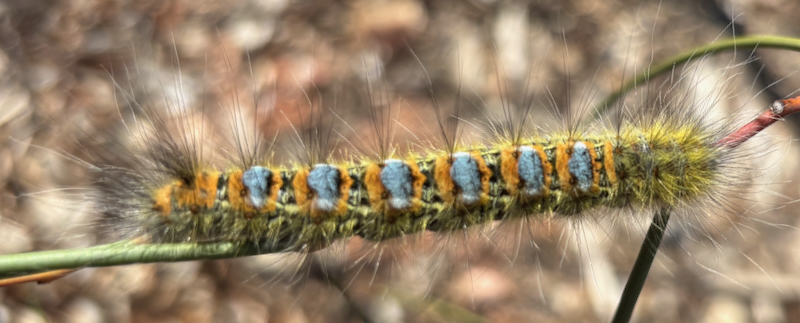
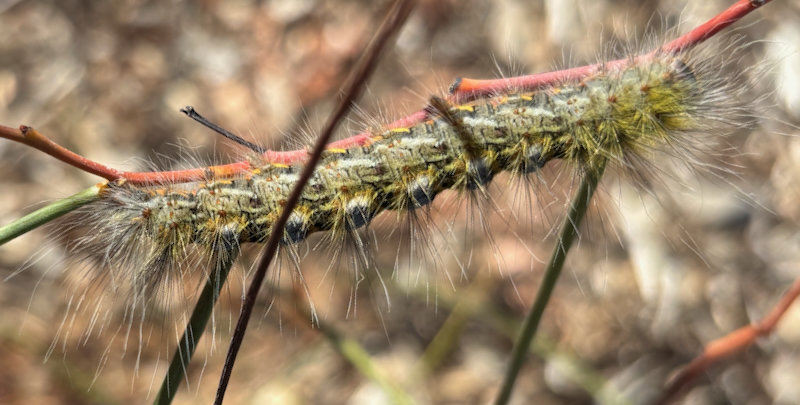
This brightly coloured moth larvae is feeding on Balcanoona Wattle (Acacia araneosa), an endangered, endemic plant growing in the Copley Botanic Gardens in the Northern Flinders Ranges. We haven’t identified the species, but the SA Museum Discovery Centre staff suggest that is is most likely belongs to the subfamily Thaumetopoeinae. This subfamily also contains the processionary caterpillars, which follow each other in a “chain” in search of food.
It appears to be an unlisted species, but we have had some notable speculation in the direction of the family Anthelidae (anthelid moths) who are known to feed on acacias. Viewing of the head features would be key to confirming that, so send us a photo if you see this caterpillar.
If you like a challenge, keep an eye on the Yet to be identified category on this site.
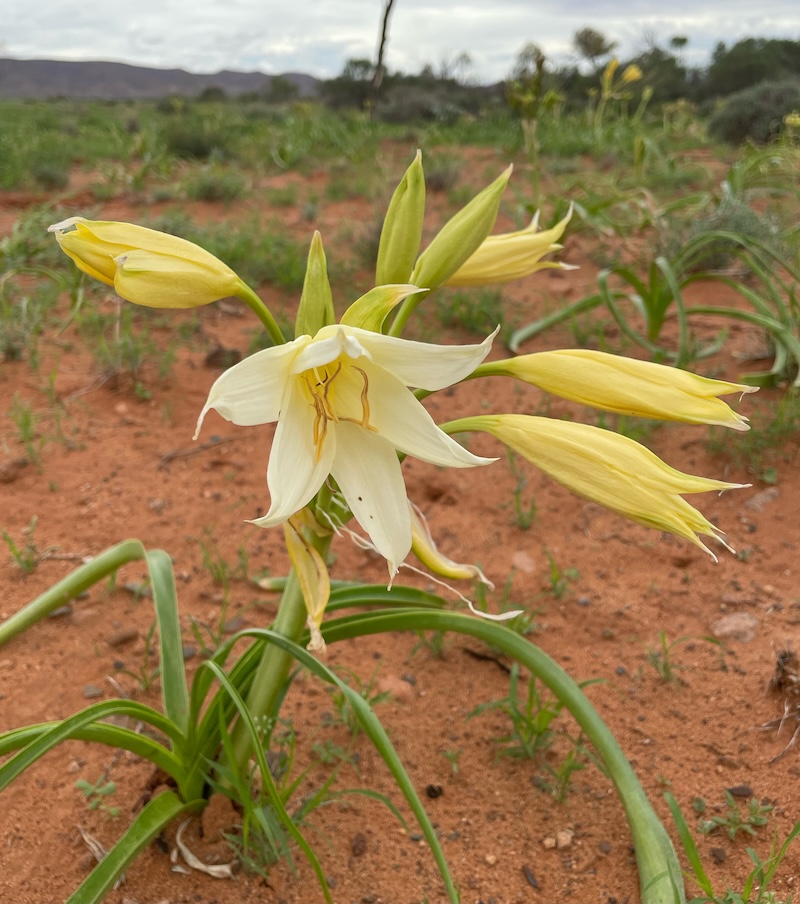
Crinum flaccidum, also known as Darling Lily, Desert Lily and Flaccid Lily, is a native bulb lily. Commonly growing in plains and sand surrounding salt lakes, these Andamooka Lilies were seen flowering in late summer following rains.