
Grevillea nematophylla ssp. nematophylla, known as Water Bush, is a rare sight in the Flinders Ranges. This solitary tree between Copley and Lyndhurst was flowering in November.
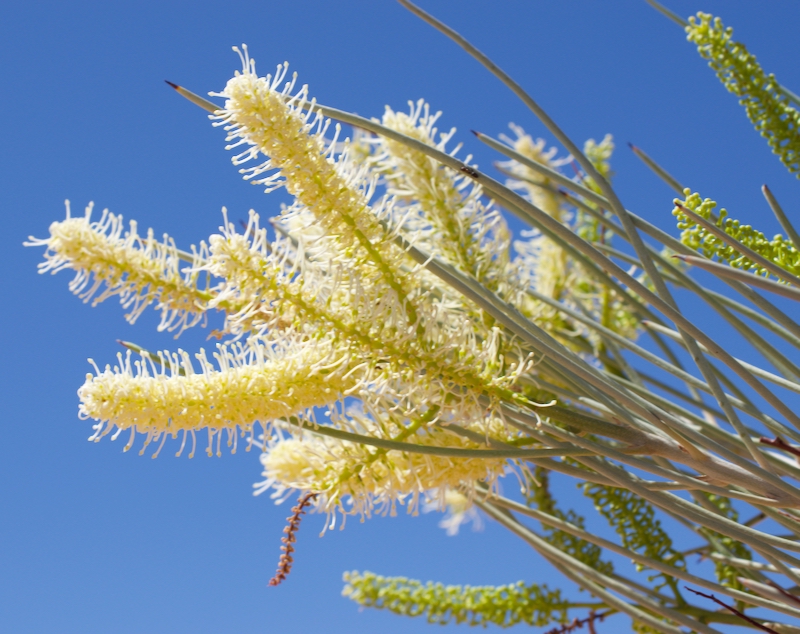
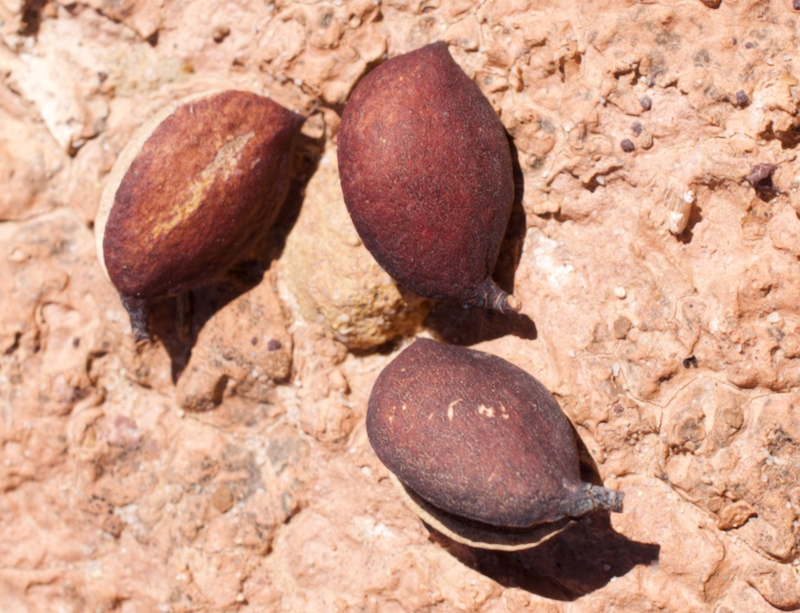
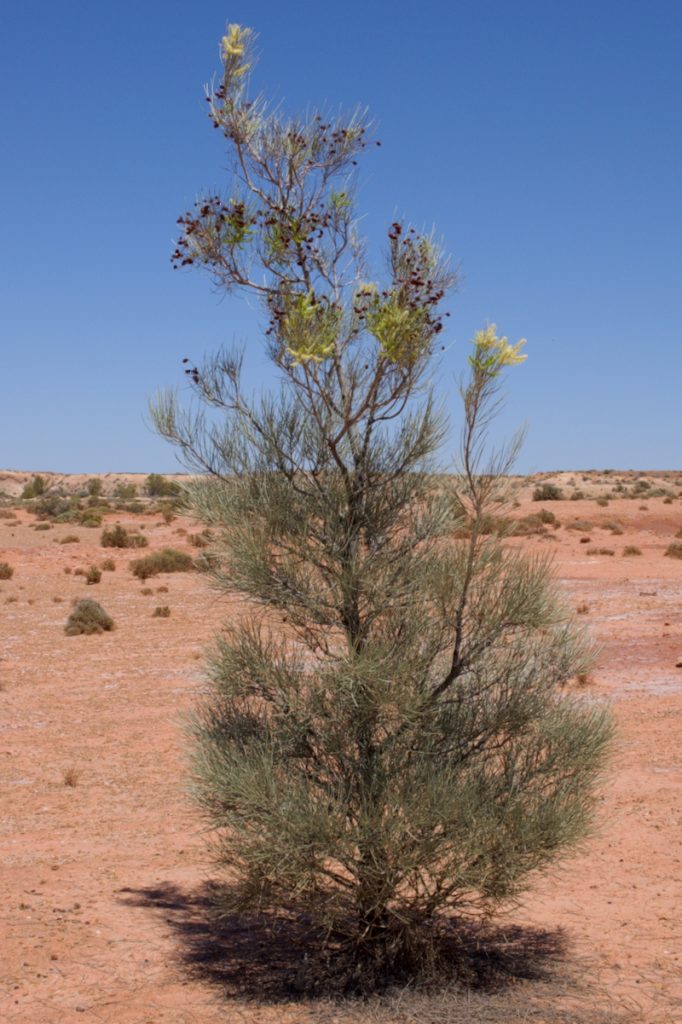
Grevillea nematophylla ssp. nematophylla, known as Water Bush, is a rare sight in the Flinders Ranges. This solitary tree between Copley and Lyndhurst was flowering in November.
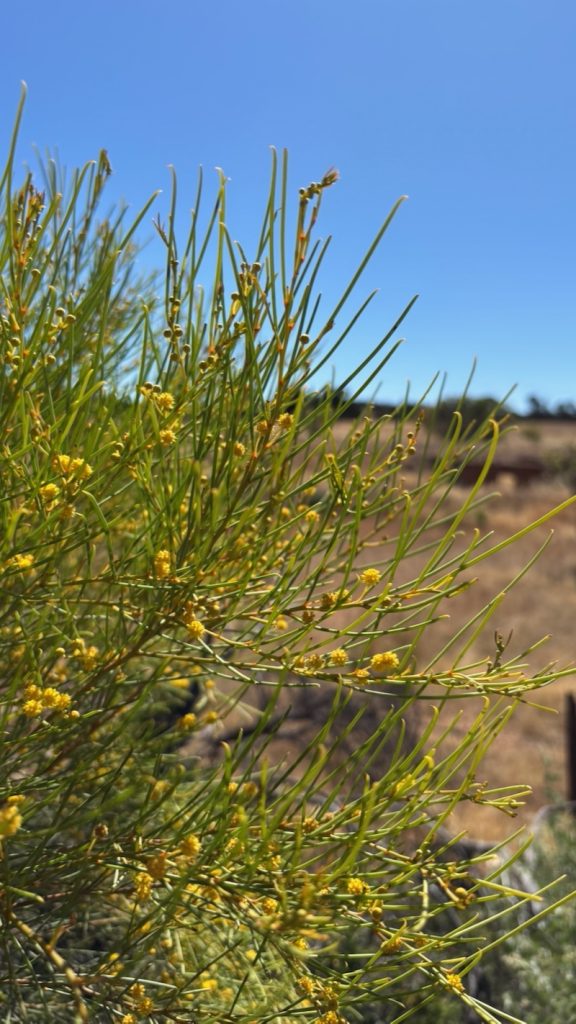
Acacia rigens, known as the Needlebush Acacia, flowering in the Hawker area in November.

Eremophila freelingii is a common sight in the Flinders Ranges, with flowers that are typically blue-purple to mauve. These white and lilac coloured Eremophila freelingii flowers were seen on Leigh Creek Station in the North Flinders Ranges in November.
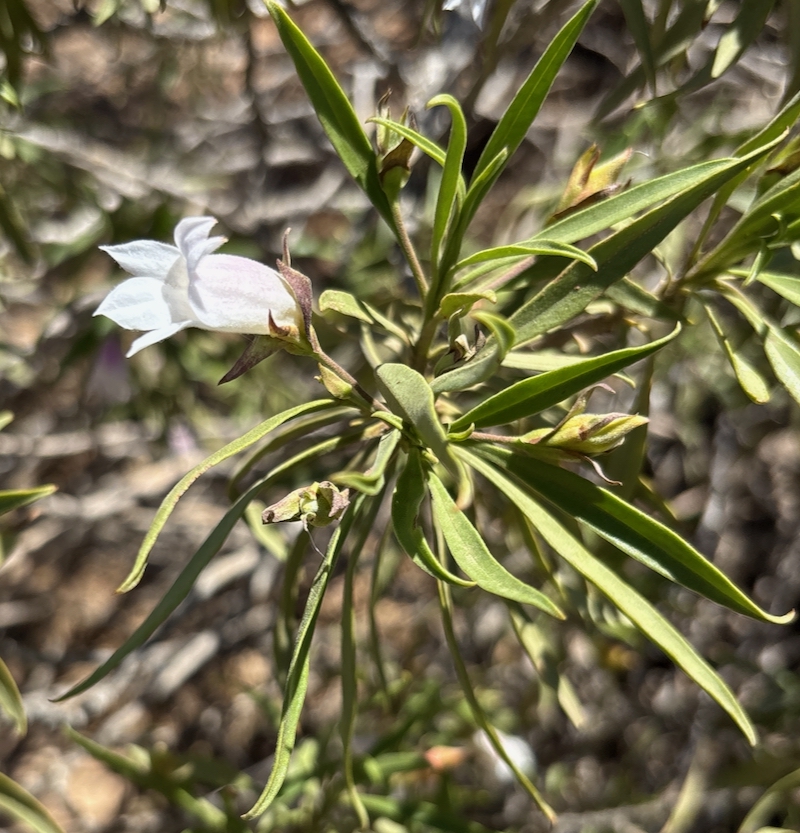

Eremophila longifolia, distinguished by its drooping strappy leaves, seen flowering near Carrieton in November.
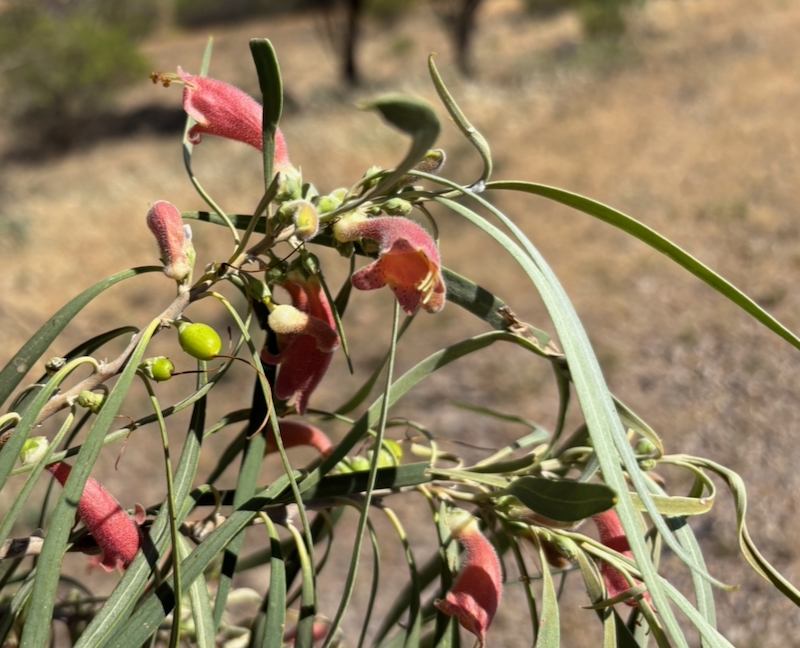
The Purple Burr-daisy (Calotis cuneifolia) is uncommon in South Australia, local to the flood plains of the Murray River flood plains. It was seen flowering among the shales of Chambers Gorge in the North Flinders Ranges, South Australia, in November.
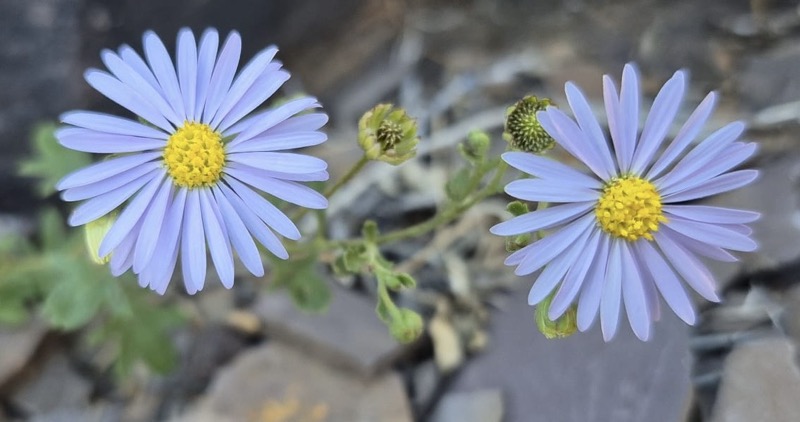
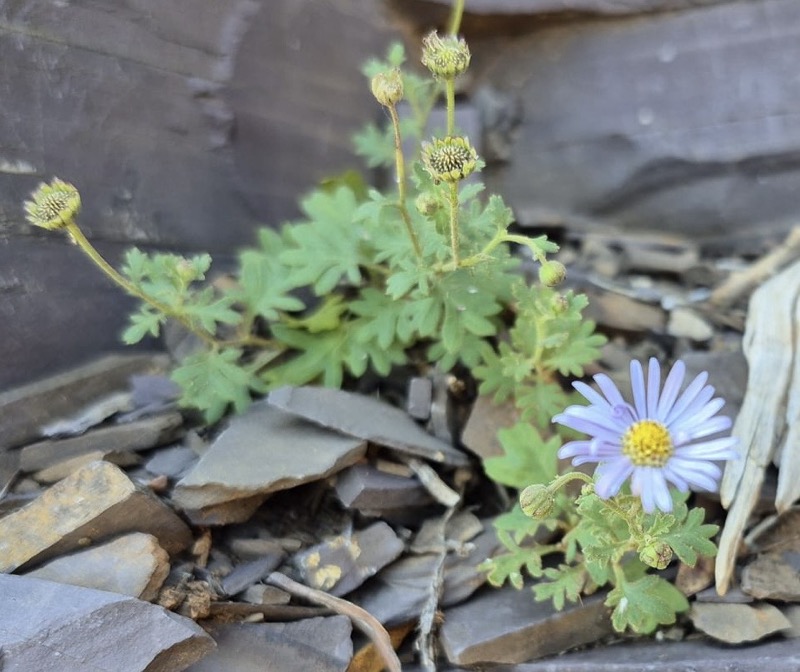
Juvenile Eastern Bearded Dragon (Pogona barbata). This species of dragon can have distinctive underside markings from the tip of the snout to the tail.


Female Red-barred Dragon (Ctenophorus vadnappa) at Chambers Gorge, North Flinders Ranges, in November.

This localised calcium carbonate Boxwork on the Copley commons was formed by mineral rich spring water permeating fractures in the sedimentary formation. The minerals transported by water formed a harder wearing substance than the surrounding clay, and gully erosion has exposed the honeycomb Boxwork.


Within the gully-eroded areas of the Copley–Leigh Creek commons, ephemeral clay pinnacles are preserved. Their butte-like form may result from chenopod roots stabilising sections of the eroding margins.


A tufa formation precipitated from calcium rich artesian hot springs can be seen at Muloorina, Lake Eyre South.

