Sand Goanna (Varanus gouldii gouldii), also known as the Gould’s goanna or Sand Monitor seen at Aroona Sanctuary in the northern Flinders Ranges.


Sand Goanna (Varanus gouldii gouldii), also known as the Gould’s goanna or Sand Monitor seen at Aroona Sanctuary in the northern Flinders Ranges.
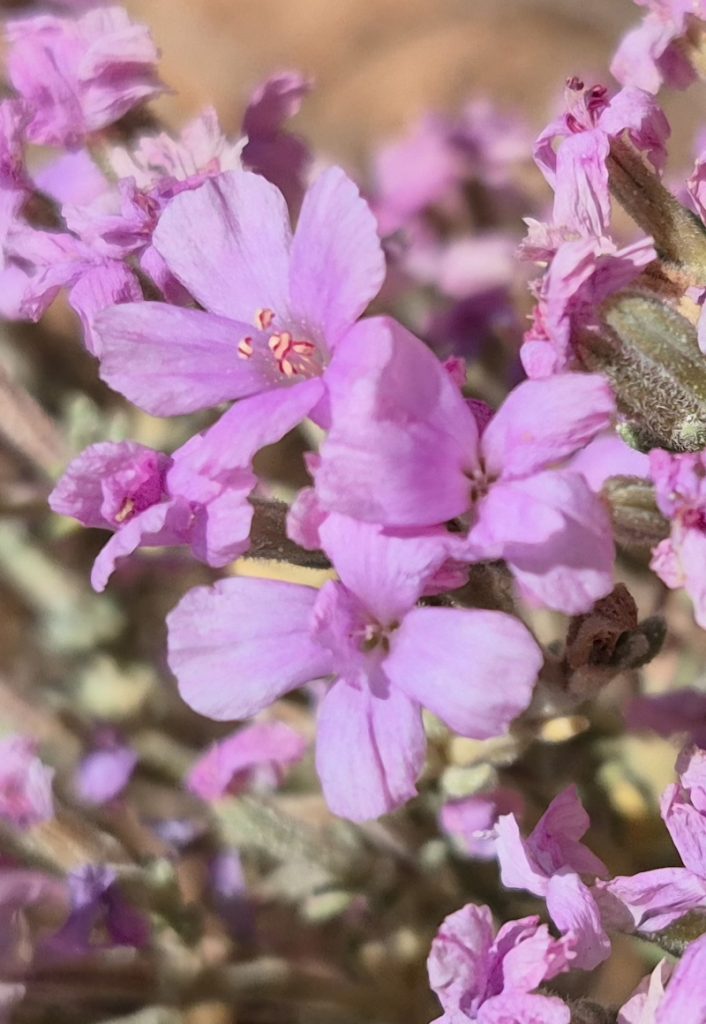
Also known as the Clustered Sea-heath, Frankenia serpyllifolia grows about 30cm in heavy clays and gibber plains, seen here flowering in October near Copley in the northern Flinders Ranges.

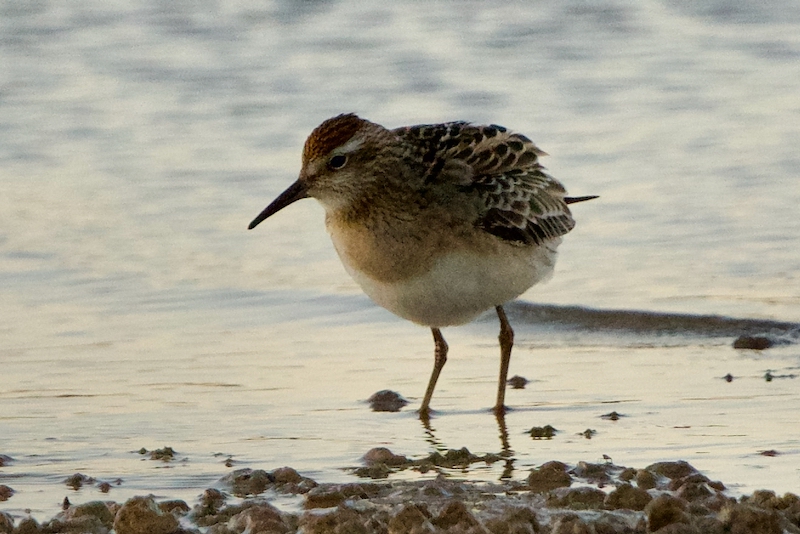
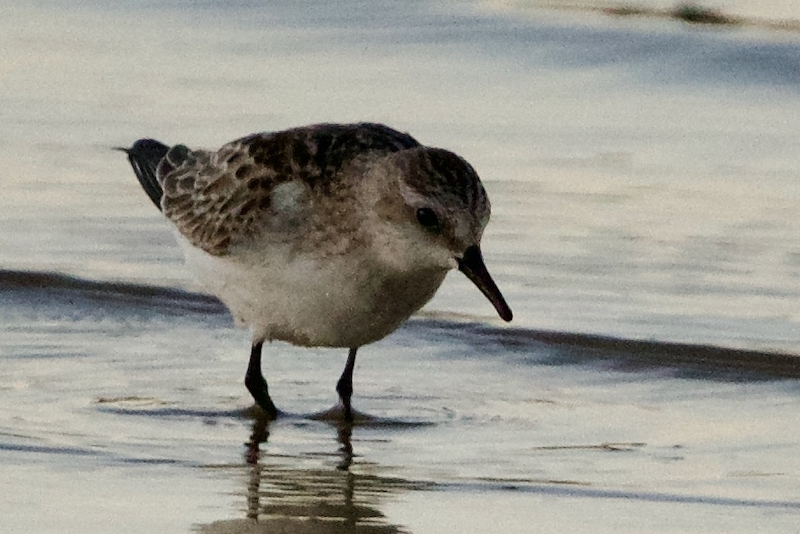
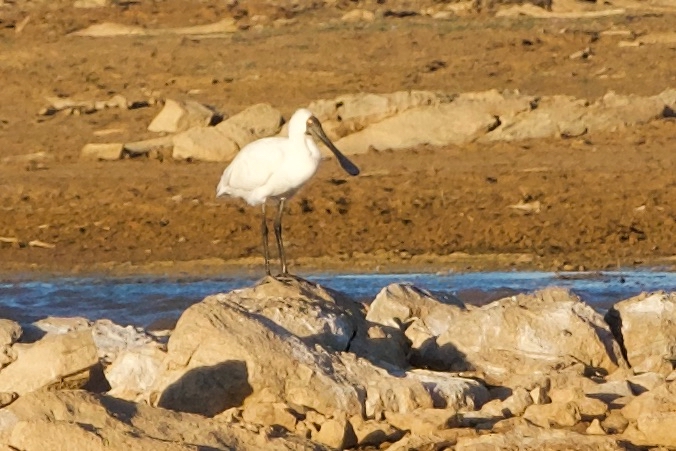
The Sharp-tailed Sandpiper (Calidris acuminata) is a migratory shorebird that breeds in the Siberian tundra and spends the non-breeding season across Australia, inhabiting both freshwater and saline inland wetlands as well as coastal tidal flats. This couple were seen at Copley Retention Dam in October.
The Euro, or Common Wallaroo, are common throughout the Flinders Ranges. Stockier and smaller than Red Kangaroos, they are adapted to dry, rugged terrain. Often seen in small groups grazing at dawn or dusk.
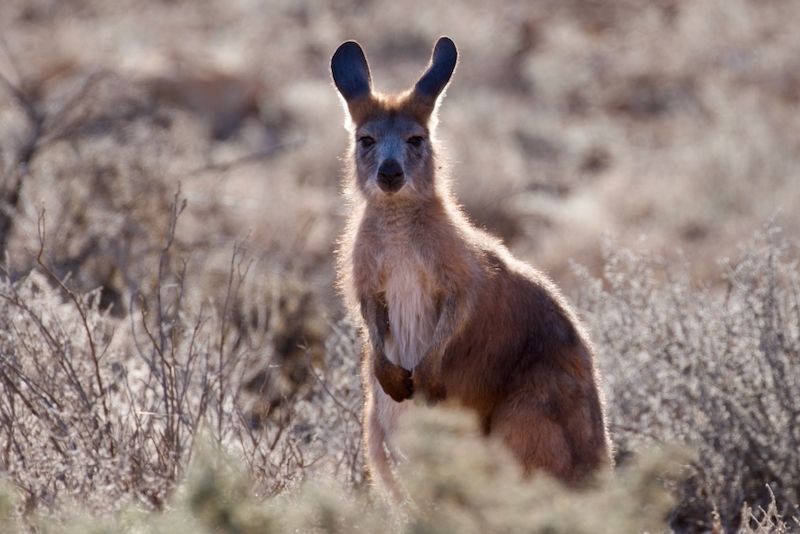
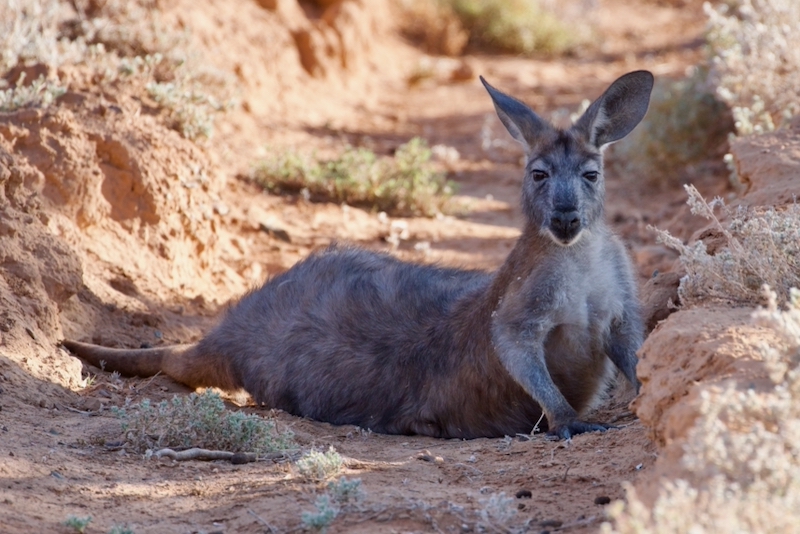


By the 1990s, Yellow-footed Rock-wallabies (Petrogale xanthopus) in the northern Flinders Ranges were under serious threat from predation, habitat degradation, historical hunting, and genetic isolation. In 1995, the area surrounding Aroona Dam was proclaimed a wildlife sanctuary. The following year, wallabies bred in captivity at Adelaide Zoo were reintroduced to the site. At the same time, major conservation measures were implemented, including fox and rabbit control, goat culling, and revegetation programs. Thanks to continued management and monitoring, the Yellow-footed Rock-wallaby population at Aroona Sanctuary has become self-sustaining and continues to breed successfully in the wild.


The Flinders Ranges Dtella (Gehyra moritzi) is a nocturnal rock dwelling gecko endemic to the Flinders Ranges. It grows up to 70mm.