Likely to be an Eastern Bandy-bandy (Vermicella annulata), this 20cm snake was found wrapped in a spider’s web in Beltana in the Northern Flinders Ranges.

Likely to be an Eastern Bandy-bandy (Vermicella annulata), this 20cm snake was found wrapped in a spider’s web in Beltana in the Northern Flinders Ranges.

The eye-catching Wood White Butterfly (Delias Aganippe), also known as the Red-Spotted Jezebel Butterfly has emerged in the Northern Flinders Ranges in the warm air of early spring. The larvae were observed in May, and the pupae were observed in late June.


These two reptile scats, each about 10cm long, were deposited on sand in early spring, as reptiles began emerging from winter hibernation. Reptile scat is identifiable by feces with a white cap of uric acid and potassium salts – an adaptation for ejecting nitrogenous wastes without the need to expel fluids through urination. The diet of this reptile, likely a goanna, appears to be insectivorous.


Small White Butterfly (Pieris rapae) also known Cabbage White Butterfly, feeding in August.

Inland Painted Grasshoppers, also known as Blistered Pyrgomorphs or Blistered Grasshoppers (Monistria pustulifera) seen near Copley in August.

More than 20 Black Kites circling above Leigh Creek.

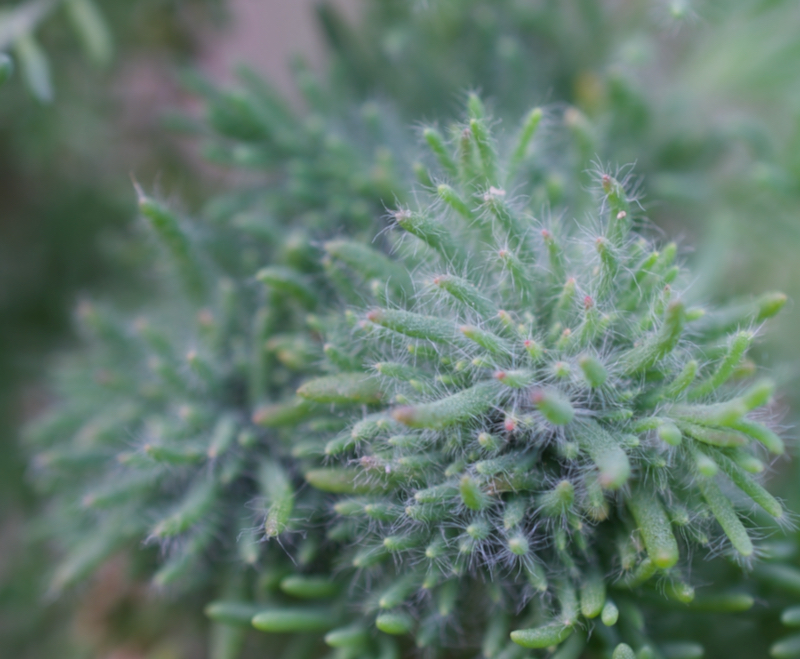
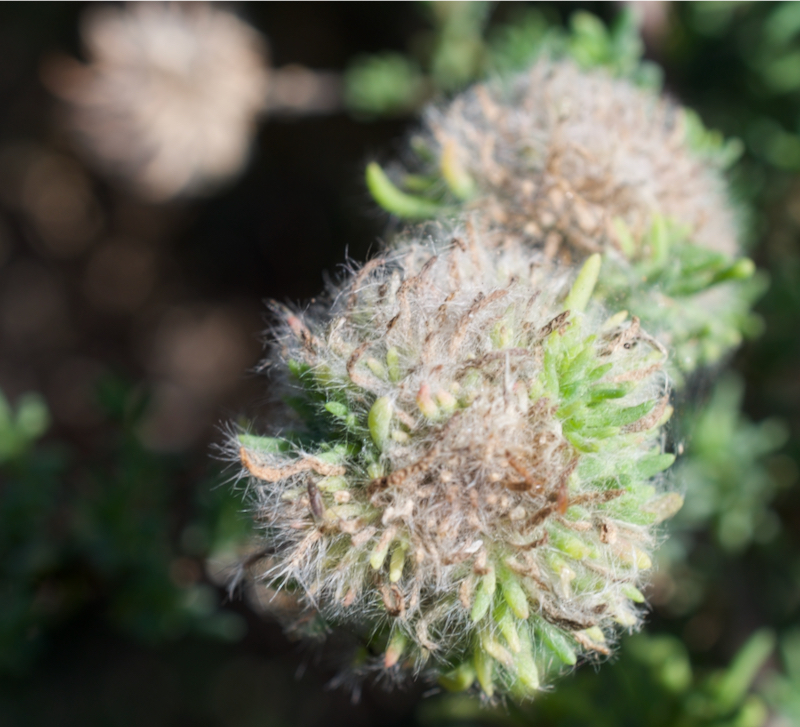
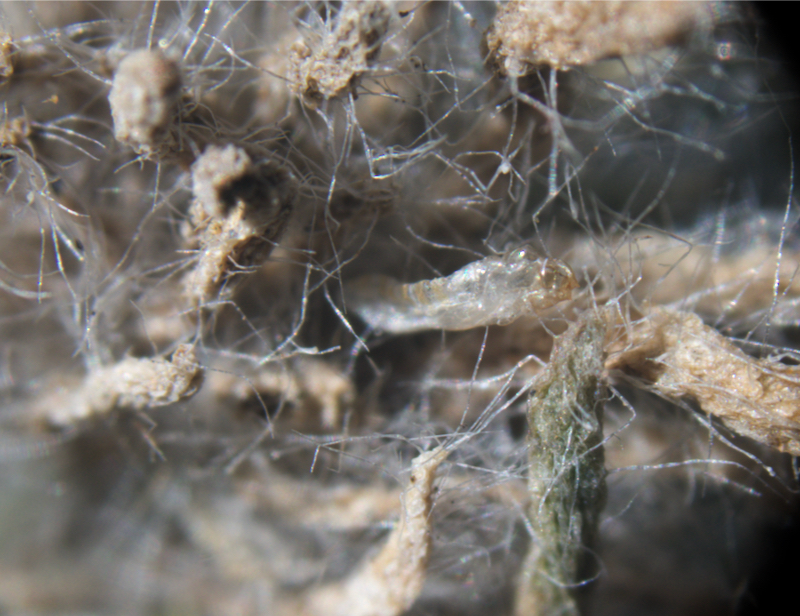
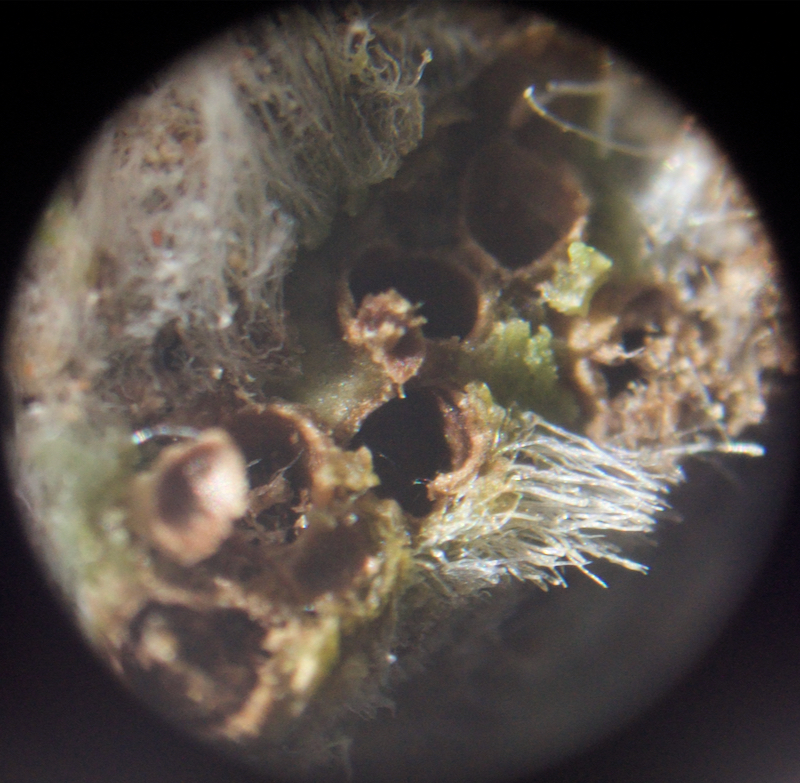
These pom-pom-like formations (1-2cm across) on Ruby Saltbush (Enchylaena tomentosa) are galls created by a type of Diptera Midge infestation which is one of several species hosted by specific chenopods. These galls impede flowering and fruiting of the plant, instead hosting the Gall Midge which lays eggs into the new flower bud. Larvae then feed within the gall, the remains of which can be seen below.