
Vine Hawk Moth seen feeding on the nectar of cultivated Milkweed in Copley. Wingspan 72-80mm. Distinctive red hind wings are exposed when in flight.


Vine Hawk Moth seen feeding on the nectar of cultivated Milkweed in Copley. Wingspan 72-80mm. Distinctive red hind wings are exposed when in flight.
White-lined Hawk Moth, common in arid and semi-arid inland areas such as the Flinders Ranges. Wingspan 50-65mm.

Ant constructions observed directly after summer flooding in the Northern Flinders Ranges.


Female Orchard Swallowtail Butterfly (Papilio aegeus aegeus) seen around citrus plants which are host plants to caterpillars, in Copley, Northern Flinders Ranges.

Australian Lesser Wanderer Butterfly (Danaus petilia) and caterpillar feeding on cultivated Milkweed in the Copley, Northern Flinders Ranges in January.


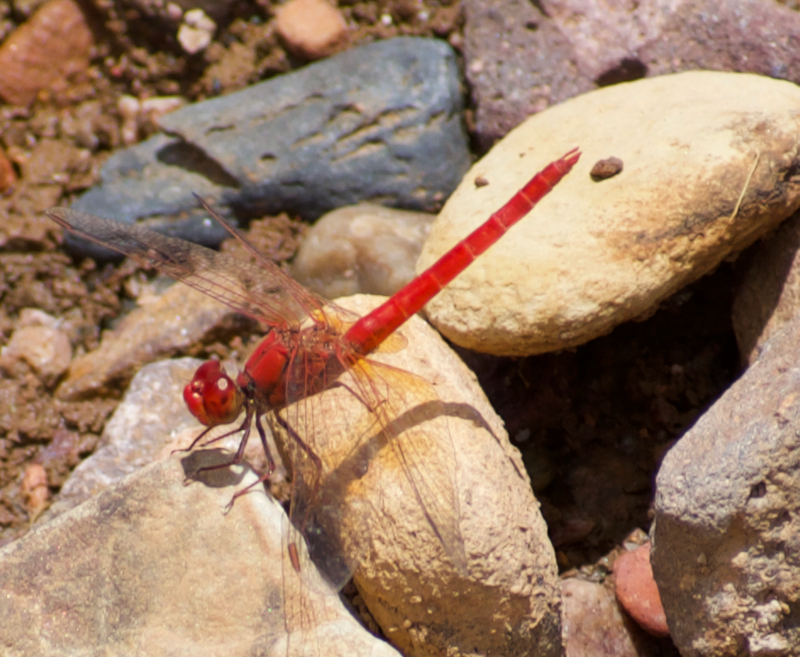
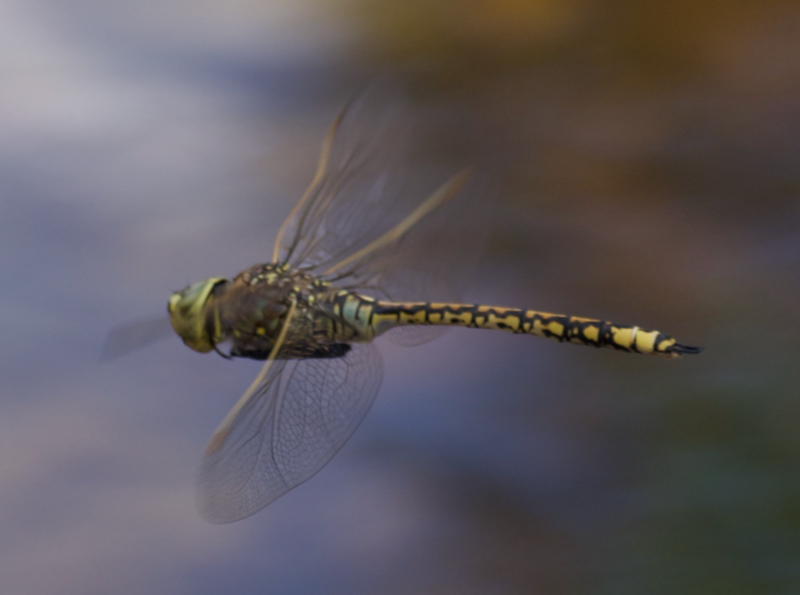
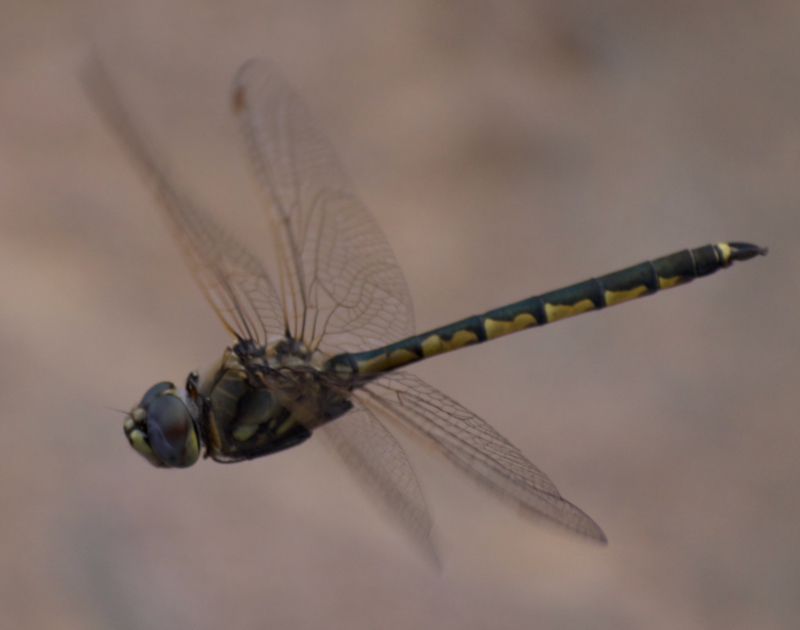
Dragonflies at Stubbs Waterhole, Arkaroola, in December.
The Two-spotted Line-blue Butterfly is common to arid lands such as the Flinders Ranges, with Acacia species such as the Western Myall, Mulga and Dead Finish providing food for larvae.


Willy Wagtail nest finely tethered to a grapevine in Copley, Northern Flinders Ranges, containing one egg in December.


Caper White Butterflies (Belenois java) are a migratory species which breed on inland caper bushes and sandalwood. They were seen in abundance surrounding Iga trees throughout the Northern Flinders and Gammon Ranges in November following a heavy rain. Igas are a laval food plant for the Caper White caterpillars and eggs are laid directly onto the leaves.


More information about Caper White Butterflies available at Butterfly Conservation SA.
Continue reading “Caper White Butterfly”