Acacia rigens, known as the Needlebush Acacia, flowering in the Hawker area in November.
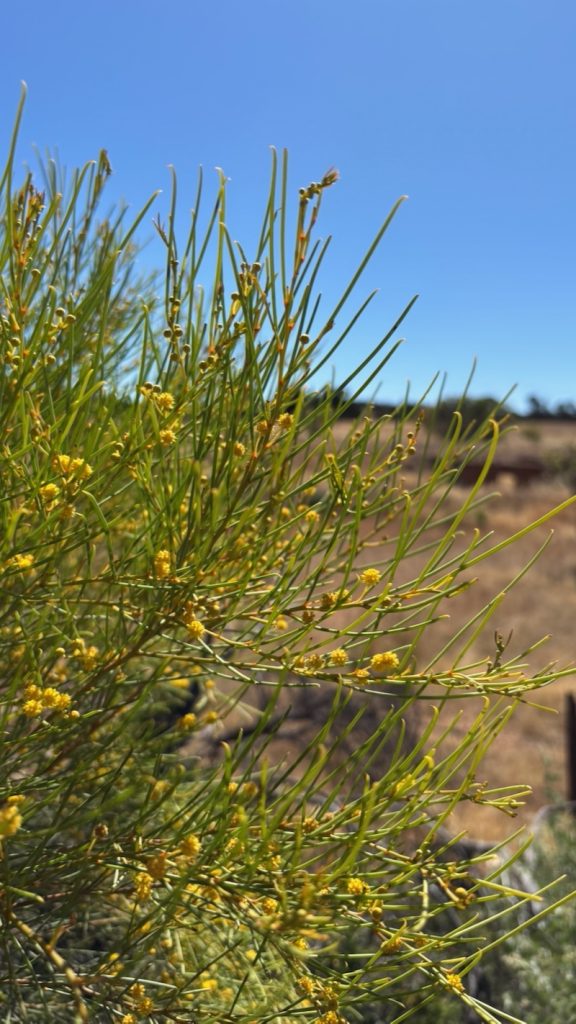

Acacia rigens, known as the Needlebush Acacia, flowering in the Hawker area in November.
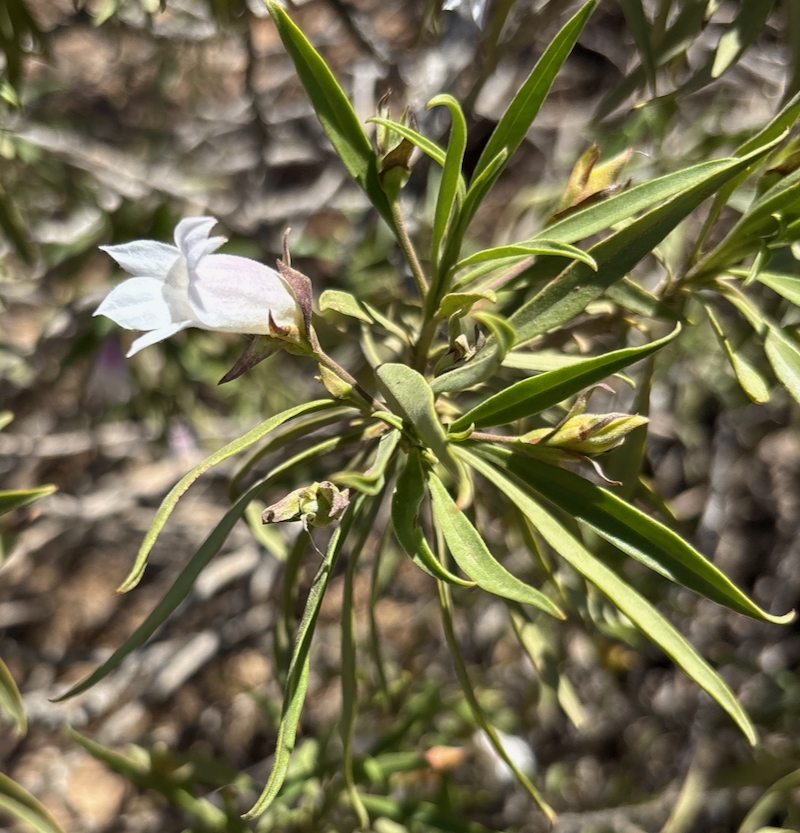
Eremophila freelingii is a common sight in the Flinders Ranges, with flowers that are typically blue-purple to mauve. These white and lilac coloured Eremophila freelingii flowers were seen on Leigh Creek Station in the North Flinders Ranges in November.

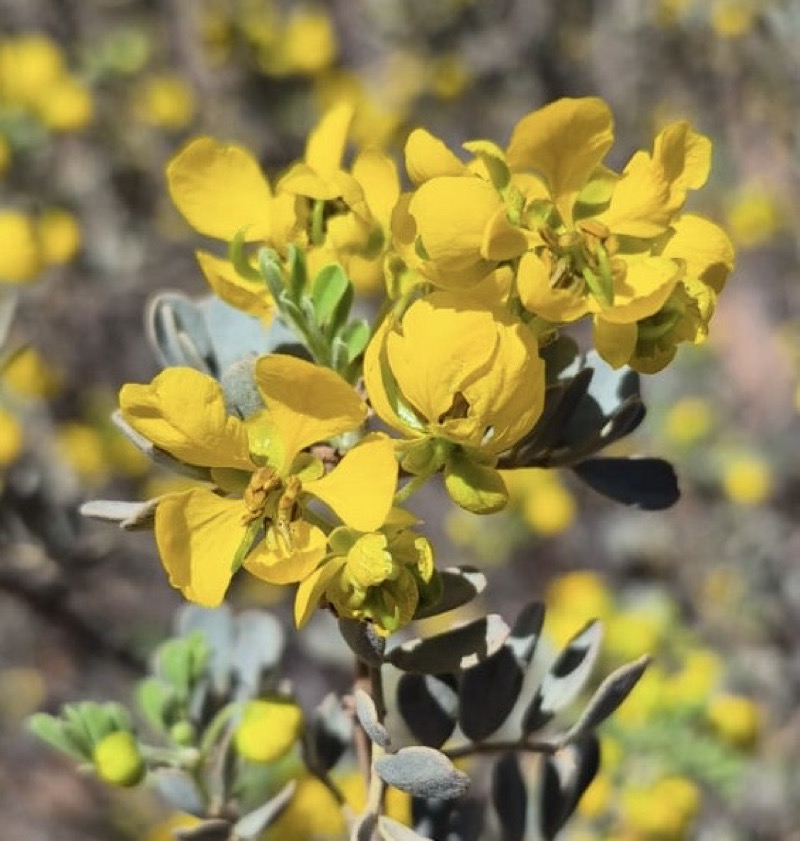
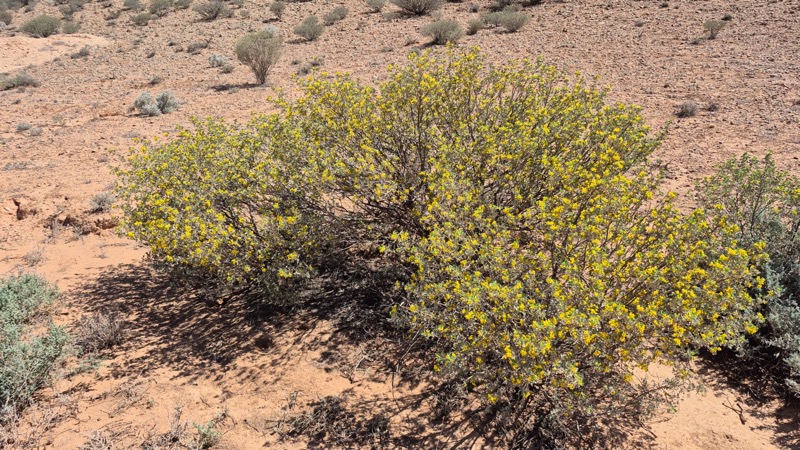
Limestone Cassias (Senna artemisioides subsp. oligophylla) flowering in Spring in the Flinders Ranges.
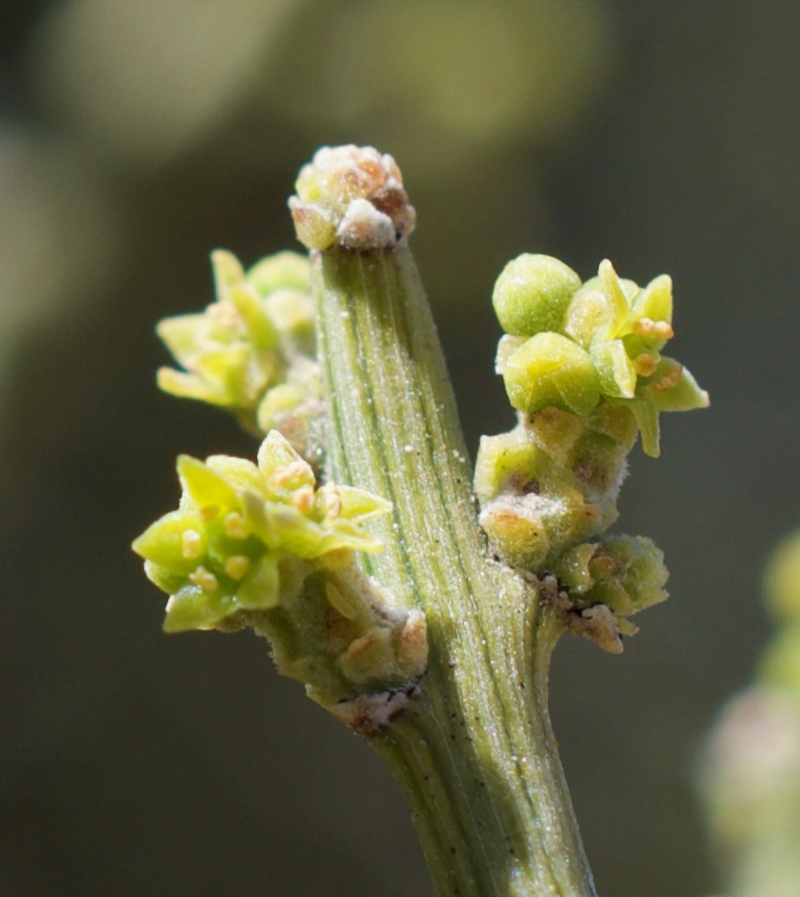
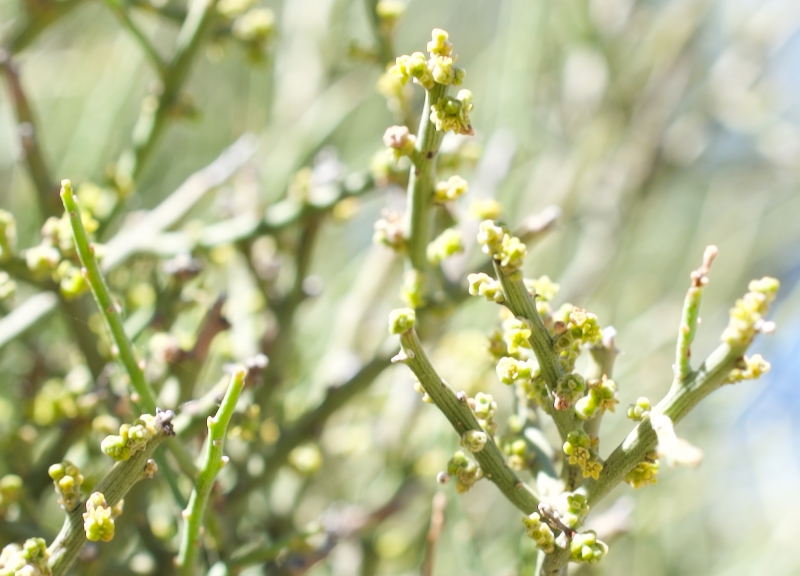
The semi-parasitic Jointed Cherry, Exocarpus aphyllus, flowering on the Copley Commons in November. Flowers approximately 2mm. Host to Case Moth larvae.
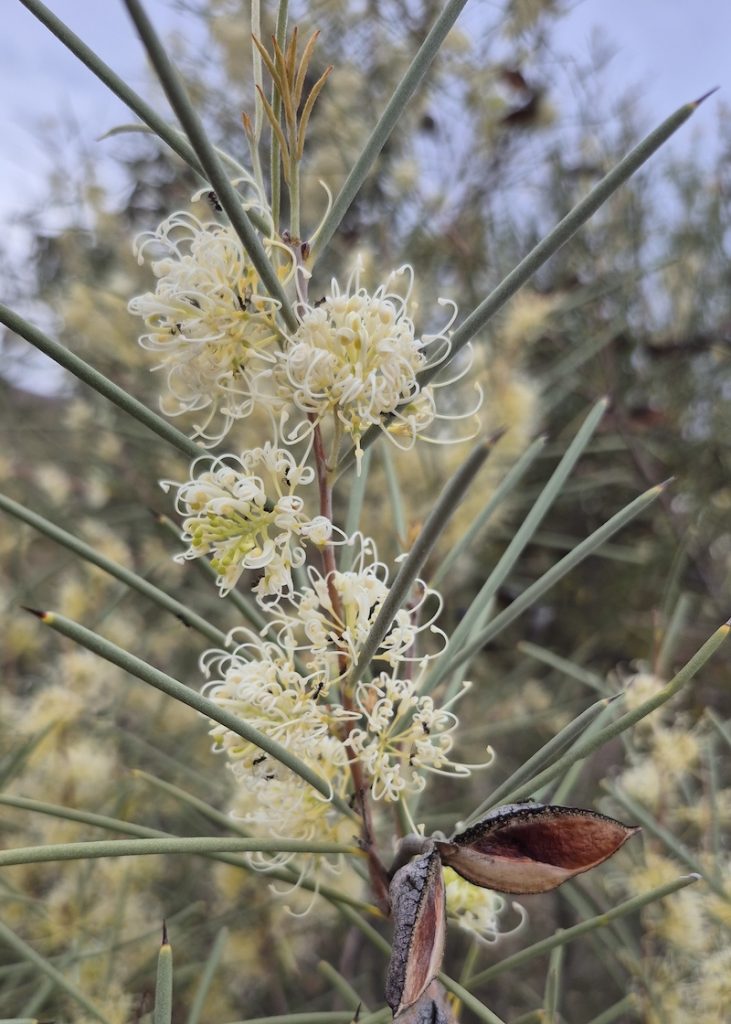
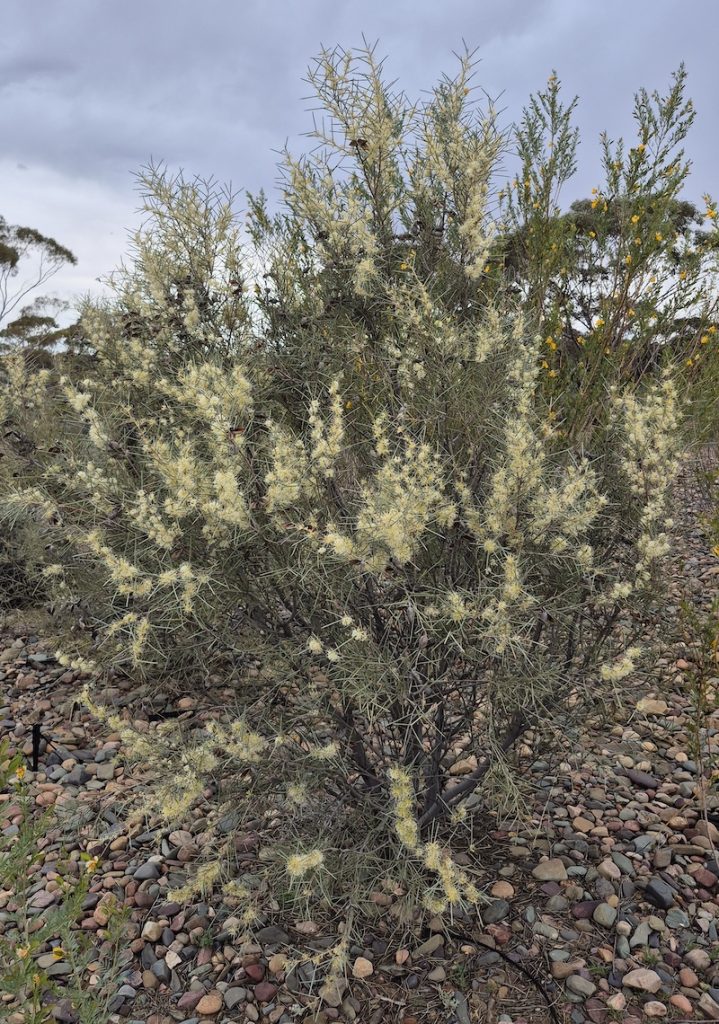
Hakea Leucoptera, the Pin Bush or Needle Bush, flowering at the Leigh Creek entrance.
Brilliant Hopbush (Dodonaea microzyga var. microzyga) in sand in Lyndhurst, in October.


The Gammon Ranges Fox-tail (Ptilotus propinquus) is said to be endemic to South Australia, rare, and “found in a small area in the Gammon Ranges, growing on bare shaly clay soil, on ironstone hills, gypseous breakaways or rocky gullies, with Casuarina over chenopods, or with scattered mallees“. It prefers breakaway and mesa plateau areas, and grows around Balacoona, Lake Frome and Moro Gorge.
This Ptilotus on the Copley Commons appears to be the Gammon Ranges Fox-tail, some sixty kilometres from the Gammon Ranges. The sighting was made at the site of the district Gymkhana, to which horses are transported from Nepabunna, which may offer a possible explanation as to its existence in the Copley area.


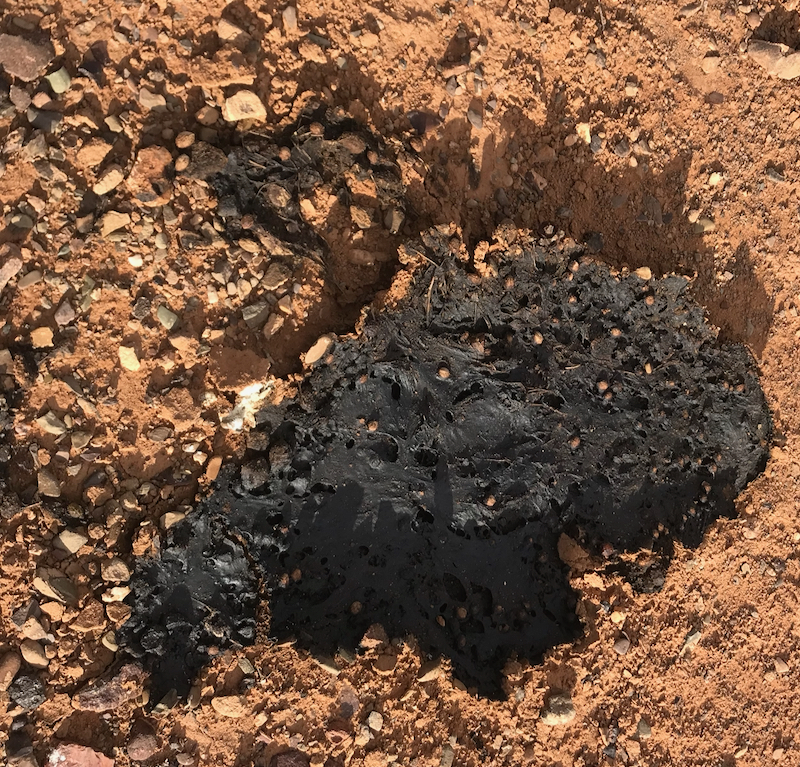
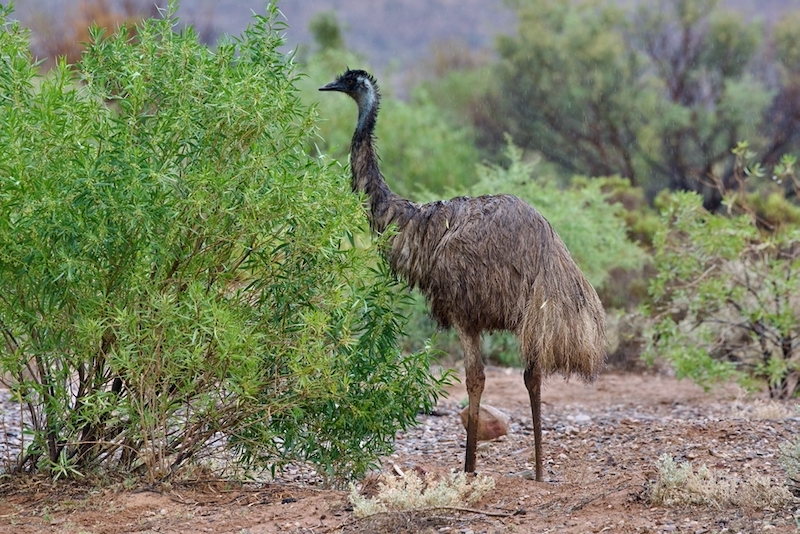
The diverse Emu diet includes the seeds of a wide range of plants in the Flinders Ranges including Sandalwood, Quandong, Nitrebush, Eremophilas, Myoporum and Ruby Saltbush. Emus carry seeds in their gut from 3 hours to 10 months (depending on the type of seed) and can walk 13.5 km daily, making them significant agents of seed dispersal.