Skip to content

Flinders Ranges Field Naturalists

  • Under the Microscope
  • Flora
  • Fauna
  • Fungi & Lichen
  • Geology
  • Landscape
  • Clouds & Weather
  • Astronomy
  • News & Events
  • Trails & Walks
  • Books, Essays & Apps

Category: Trees

Posted on November 30, 2025November 30, 2025

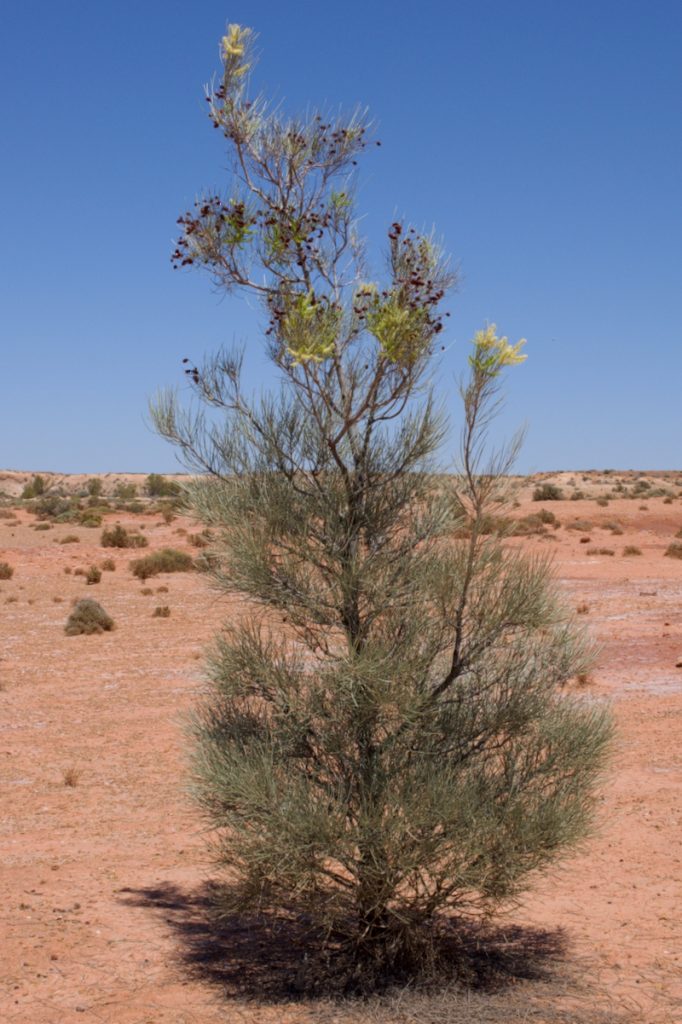
Water Bush Grevillea flowering: Lyndhurst

Grevillea nematophylla ssp. nematophylla, known as Water Bush, is a rare sight in the Flinders Ranges. This solitary tree between Copley and Lyndhurst was flowering in November.
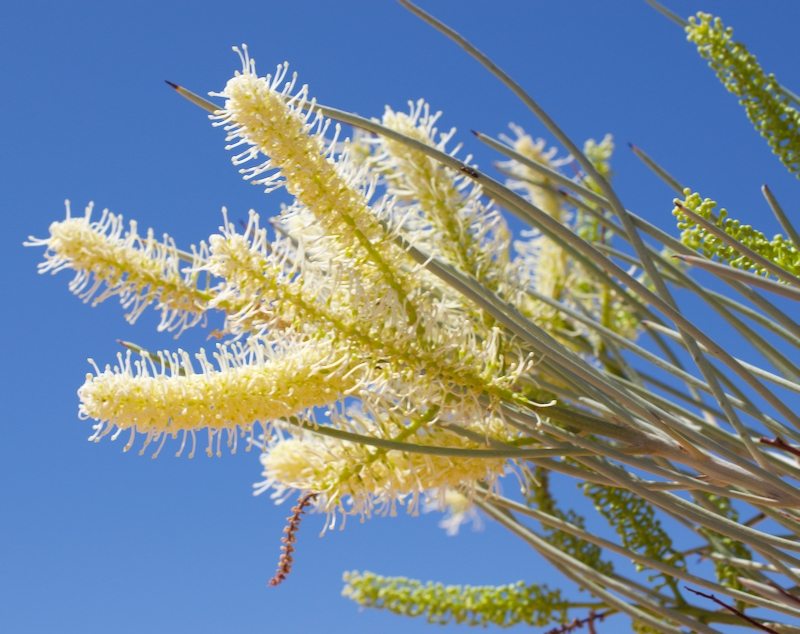
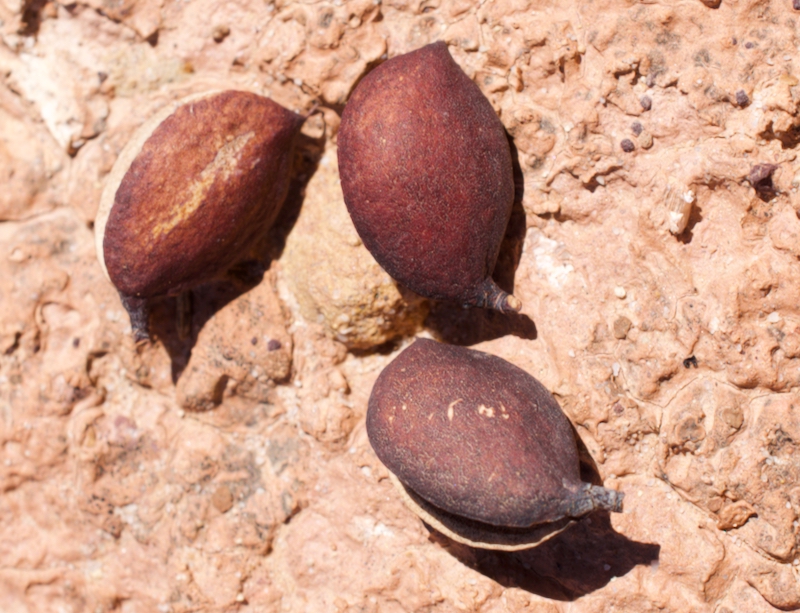
Continue reading “Water Bush Grevillea flowering: Lyndhurst”
Posted on November 28, 2025November 28, 2025

Eremophila Longifolia flowering: Carrieton

Eremophila longifolia, distinguished by its drooping strappy leaves, seen flowering near Carrieton in November.
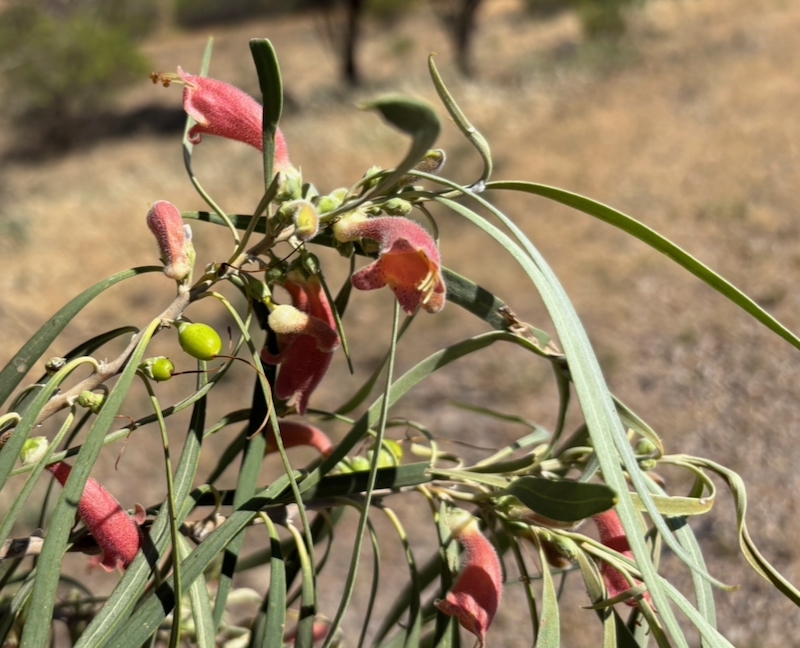
Continue reading “Eremophila Longifolia flowering: Carrieton”
Posted on November 15, 2025November 15, 2025

Slender Bellfruit: Iga Warta area

The endangered Slender Bellfruit is growing by the road near Silver Gap, between Iga Warta and Copley. Fruiting in November. Read more about the Slender Bellfruit in our featured essay The Bellfruit Book: Research into the mysterious endangered tree of the North Flinders Ranges.

Continue reading “Slender Bellfruit: Iga Warta area”
Posted on November 2, 2025November 2, 2025

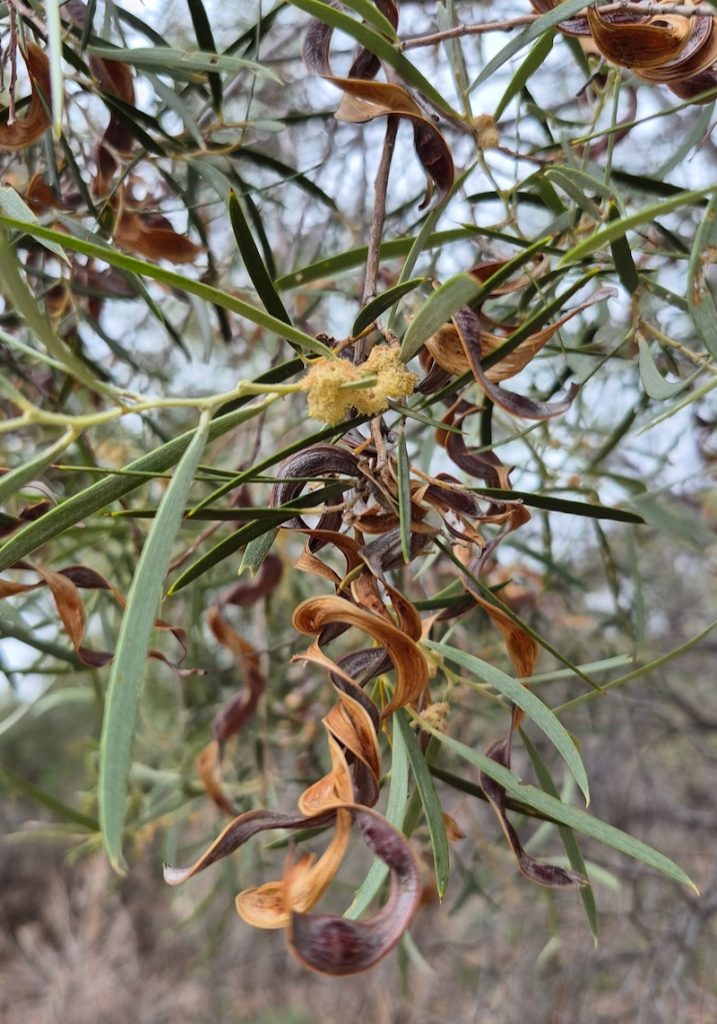
Umbrella Wattle: Aroona Sanctuary

Acacia oswaldii, the Umbrella Wattle, with distinctive spiralling seedpods, in November.

Continue reading “Umbrella Wattle: Aroona Sanctuary”
Posted on October 31, 2025October 31, 2025

Native Plum flowering

Native Plum (Santalum lanceolatum) flowering in October.

Posted on October 28, 2025November 5, 2025

Slender Bellfruit: Leigh Creek

Extinct in NSW, the Slender Bellfruit (Codonocarpus pyramidalis) is endangered in SA, found scattered around the Flinders Ranges. Also known as Desert Poplar. Read more about this fascinating tree in our featured essay The Bellfruit Book: Research into the mysterious endangered tree of the North Flinders Ranges.

Slender Bellfruit fruiting in Leigh Creek in October
Continue reading “Slender Bellfruit: Leigh Creek”
Posted on October 25, 2025October 25, 2025

Emu scat

The diverse Emu diet includes the seeds of a wide range of plants in the Flinders Ranges including Sandalwood, Quandong, Nitrebush, Eremophilas, Myoporum and Ruby Saltbush. Emus carry seeds in their gut from 3 hours to 10 months (depending on the type of seed) and can walk 13.5 km daily, making them significant agents of seed dispersal.
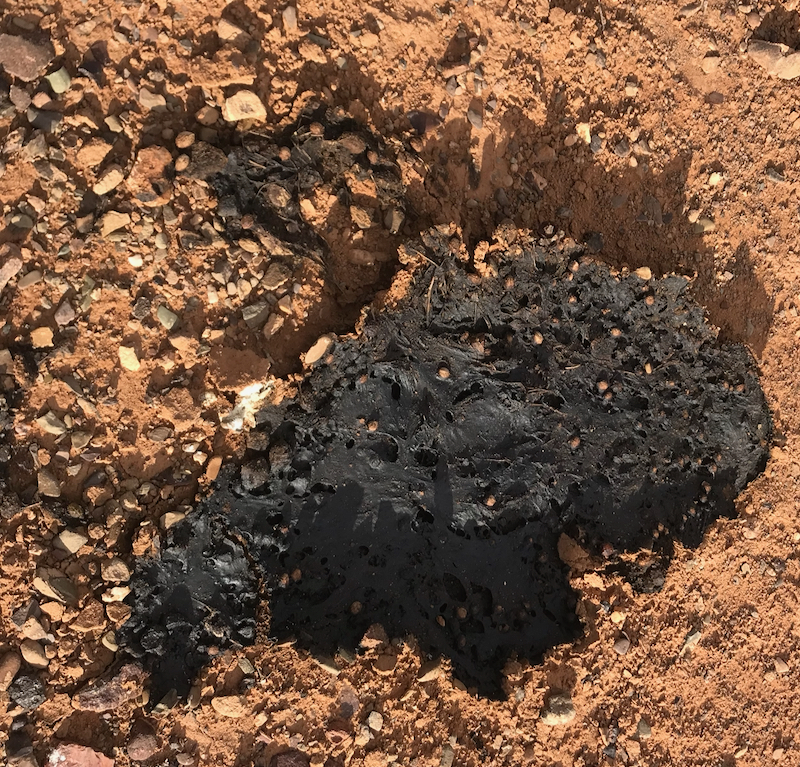
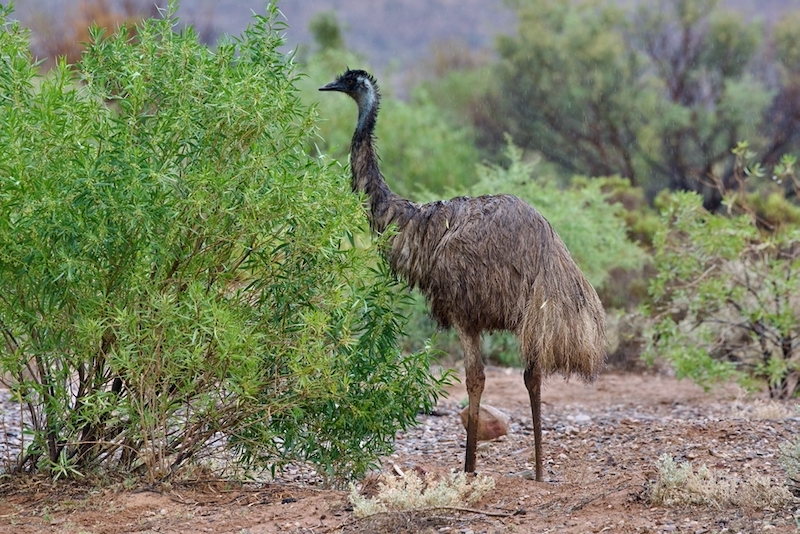
Emu scat, 30cm wide
Emu feeding on Myoporum
Posted on September 23, 2024September 23, 2024

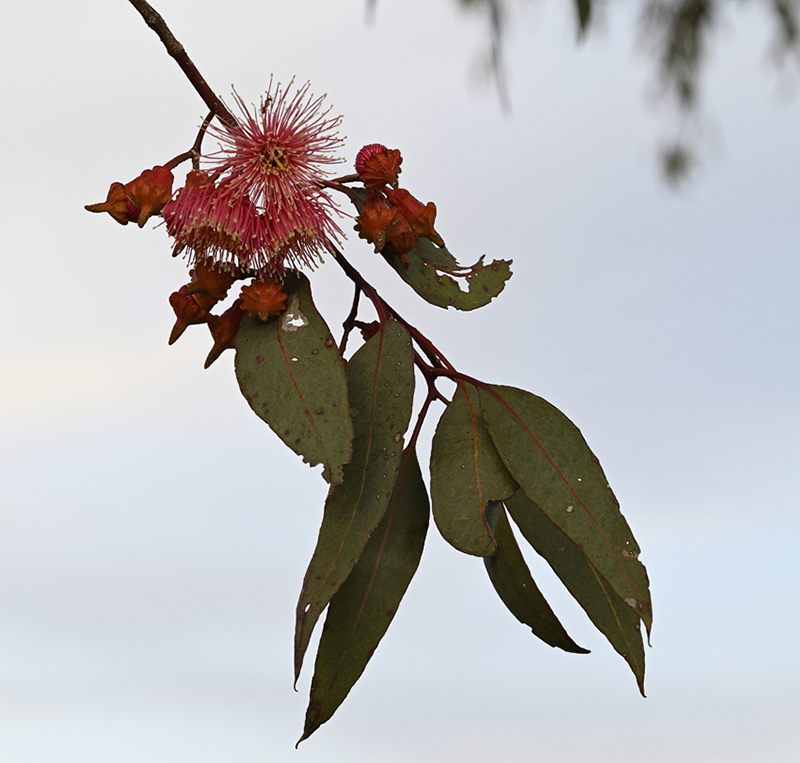
Coral Gum

Coral Gum, Eucalyptus torquata, flowering in the southern Flinders Ranges in September.
Posted on September 20, 2024September 20, 2024

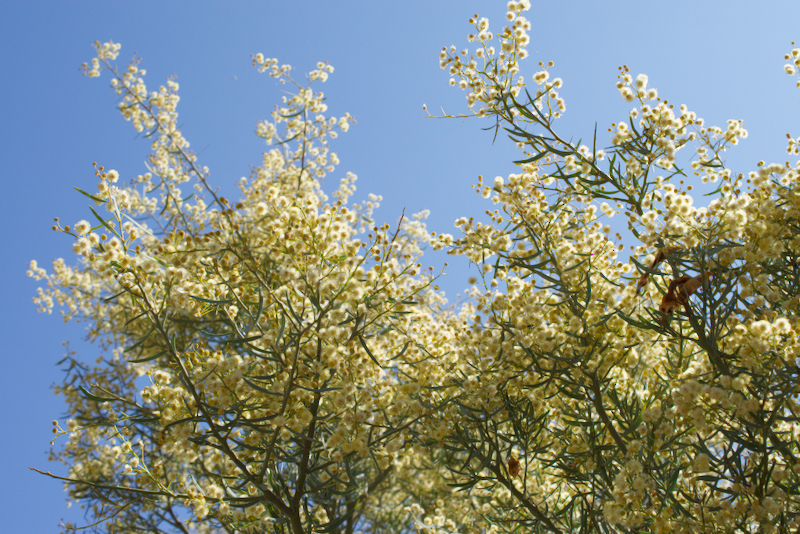
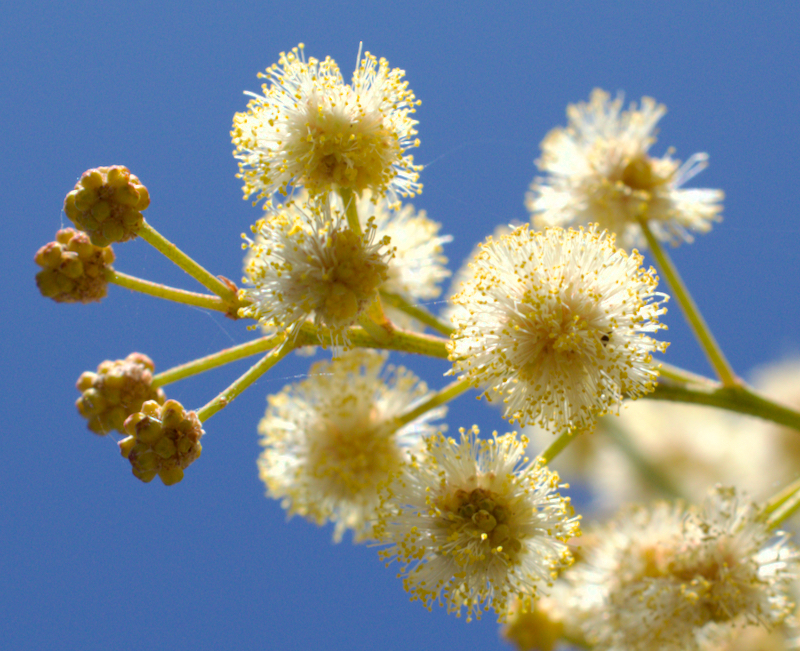
Acacia Victoriae

Acacia victoriae is prolific in the Flinders Ranges, flowering profusely in spring. Also known as the Elegant Acacia or Prickly Wattle, seeds are harvested to make flour and the gum is also edible. 
Continue reading “Acacia Victoriae”
Posted on September 20, 2024September 20, 2024

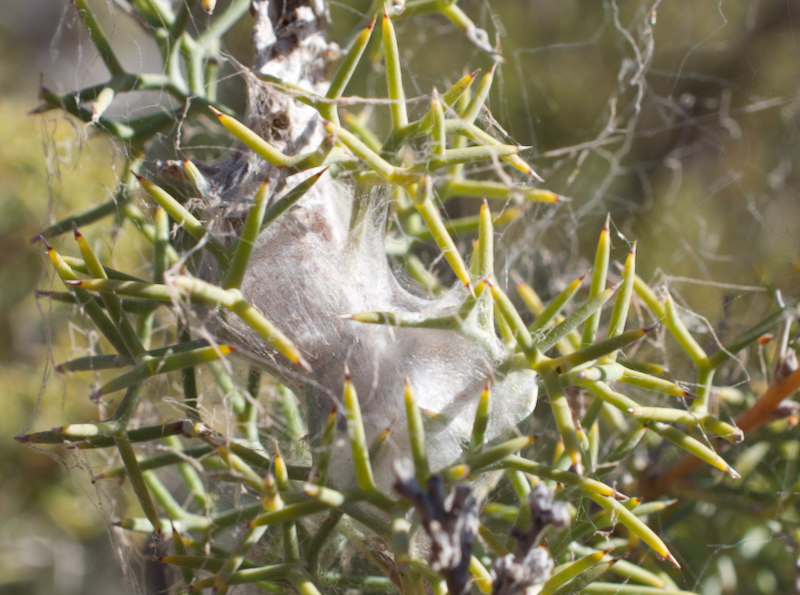
Spider nest in Hakea Ednieana

Spider nest in Hakea Ednieana in the Flinders Ranges

Posts pagination

Page 1 Page 2 … Page 5 Next page

FEATURED ESSAYS

  • The Bellfruit Book: Research into the mysterious endangered tree of the North Flinders Ranges
  • The Legacy of Time: The story of the Flinders Ranges by the Royal Geographical Society of South Australia

Categories

  • Under the Microscope (45)
  • Flora (332)
    • Trees (46)
    • Shrubs (99)
    • Forbs, Grasses & Climbers (168)
    • Bush Foods (26)
    • Miscellaneous (19)
  • Fauna (374)
    • Birds (180)
    • Reptiles & Amphibians (45)
    • Mammals (19)
    • Invertebrates (133)
  • Fungi & Lichen (12)
  • Geology (170)
    • Rocks (45)
    • Minerals (73)
    • Fossils (12)
    • Geological Formations (107)
    • Sands (8)
  • Clouds & Weather (47)
  • Landscape (51)
  • Astronomy (20)
  • News & Events (22)
  • Hikes & Walks (7)
  • Apps, Maps & More (23)

Contact us

Feel free to email us with feedback and contributions to this online resource.

Copyright

© The contents of this website are protected by copyright law. Please contact the Flinders Ranges Field Naturalists for permission to use images contained in this website.

Proudly powered by WordPress