Male Emu with chicks in the plains of Hawker, Flinders Ranges, in November.

Male Emu with chicks in the plains of Hawker, Flinders Ranges, in November.
The endangered Slender Bellfruit is growing by the road near Silver Gap, between Iga Warta and Copley. Fruiting in November. Read more about the Slender Bellfruit in our featured essay The Bellfruit Book: Research into the mysterious endangered tree of the North Flinders Ranges.


Algae and cyanobacterial colonies growing in the hot springs of Muloorina, east of Marree, resemble those found in Paralana Hot Springs at Arkaroola.


Sun bleached filamentous green algae in the cool freshwater springs of Arkaroola, North Flinders Ranges.


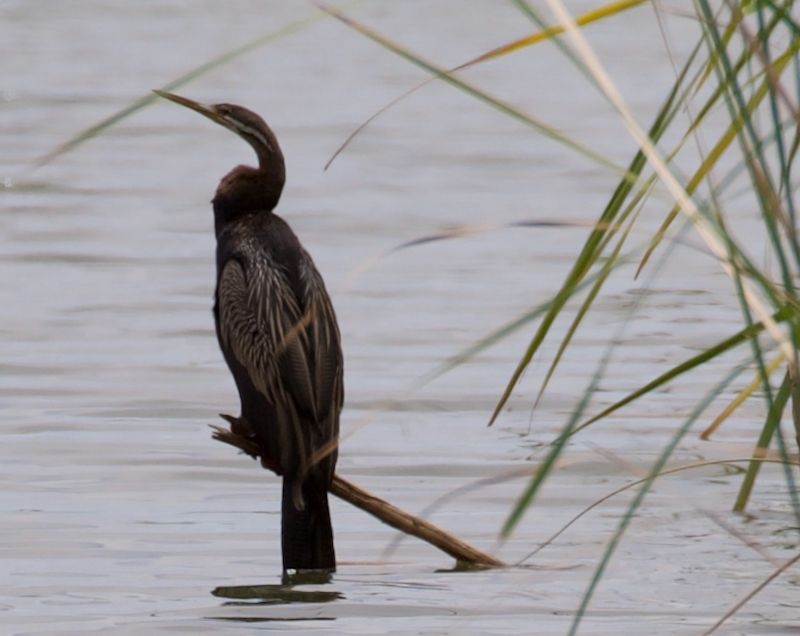
Australasian Darter (Anhinga novaehollandiae) at artesian wetland on Muloorina Station, east of Marree, in November.
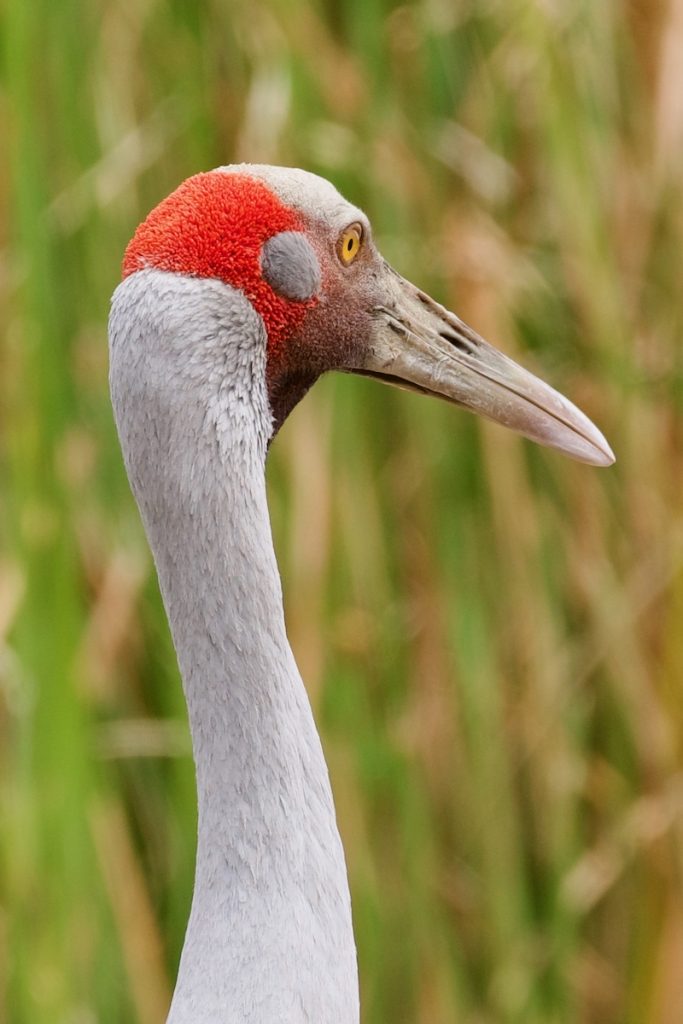
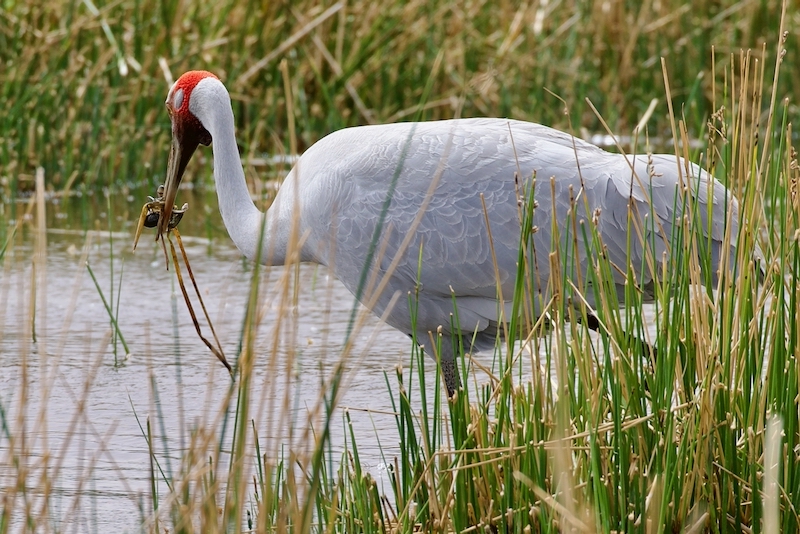
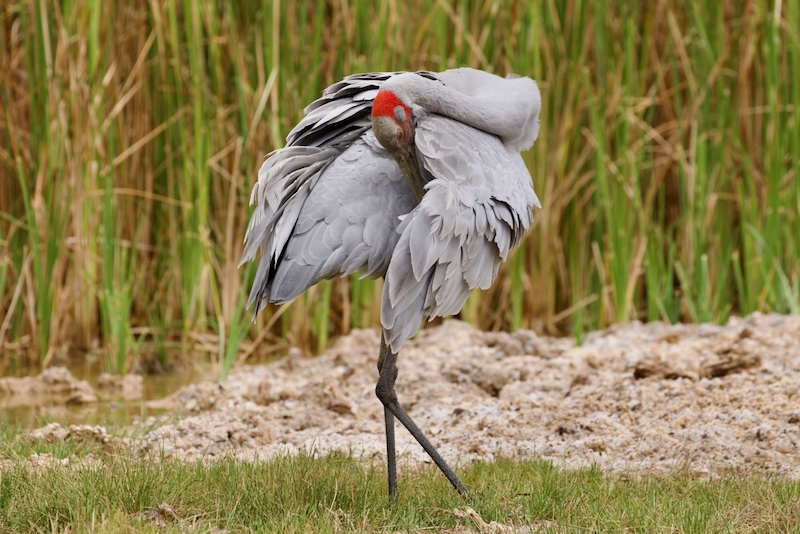
Australia’s largest water bird, Antigone rubicunda, the Brolga, inhabits the tropical regions of northern Australia, the inland wetlands of the Great Artesian Basin and the Murray Darling Basin. It feeds on plant matter, invertebrates and small vertibrates in freshwater and saltwater environments. Seen at the hydrothermal wetlands on Mulooorina Station east of Marree, in November.
Leigh Creek Public Library showcased a superb collection of field naturalist resources alongside images from this website in the October exhibition Field Guides and Photos.


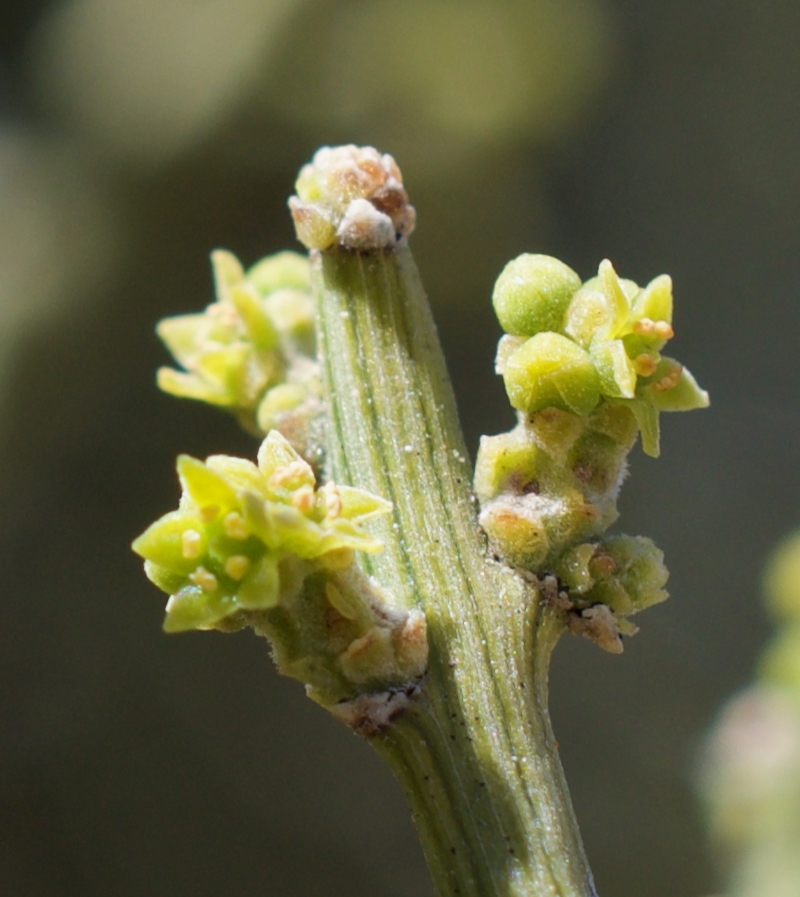
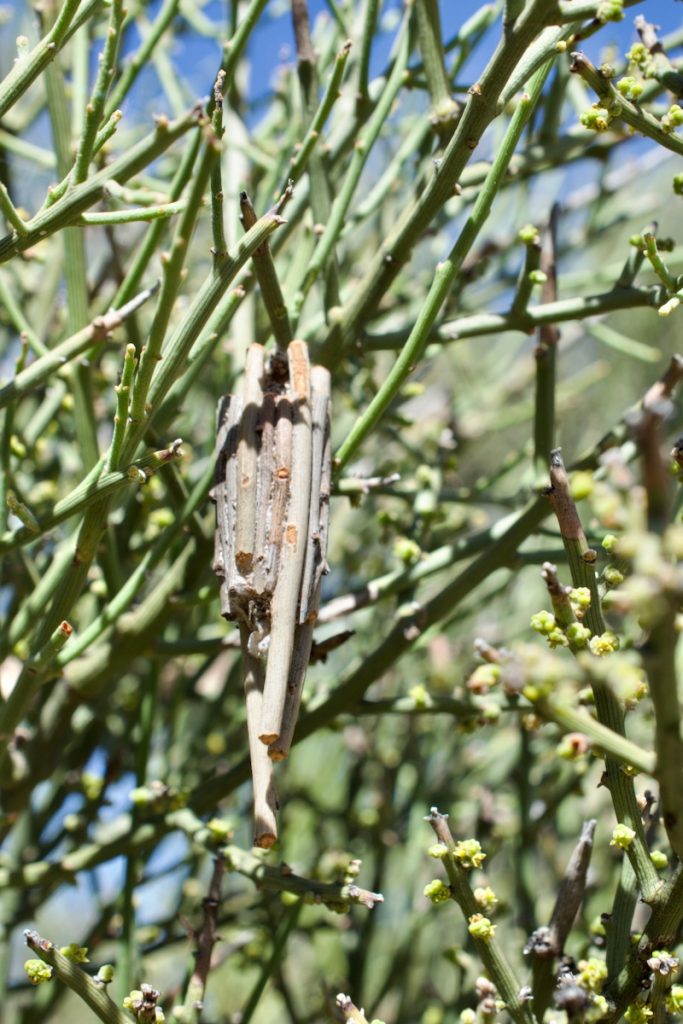
This moth larvae is probably the Faggot Case Moth, Clania ignobilis. The species eat a variety of unrelated plants – in this case, the Jointed Cherry, Exocarpus aphyllus, at Copley, in November.
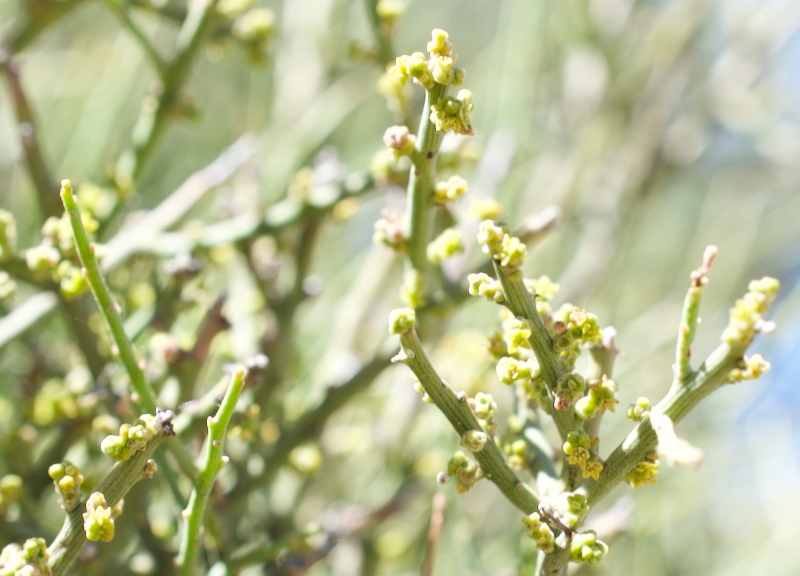
The semi-parasitic Jointed Cherry, Exocarpos aphyllus, flowering on the Copley Commons in November. Flowers approximately 2mm. Host to Case Moth larvae.