

Bottlewashers
Zygophyllum stapfii, a Twinleaf succulent variety sometimes known as Dollar Bush, growing on the edge of Spencer Gulf inlet, Port Augusta.


Carpobrotus, or Pigface, growing in coastal clay near Port Augusta.

Flat Cockroach, also called the Trilobite roach, found in leaf litter in the Northern Flinders Ranges (2cm).

Wood White Butterfly (Delias Aganippe) also called the Red-Spotted Jezebel Butterfly in late larval form feeding on a young Quandong tree, Northern Flinders Ranges. Chrysalises were observed 5 weeks later and butterflies emerged in early August.


Thick-tailed or Barking Gecko, Mt Lyndhurst.


Filamentous Green Algae at the overflow pools of Aroona Dam.


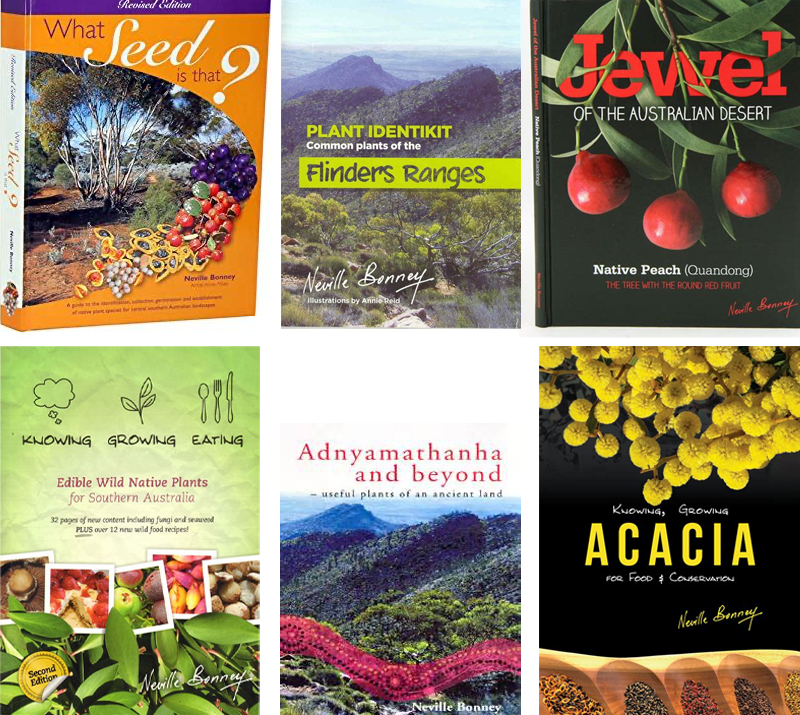
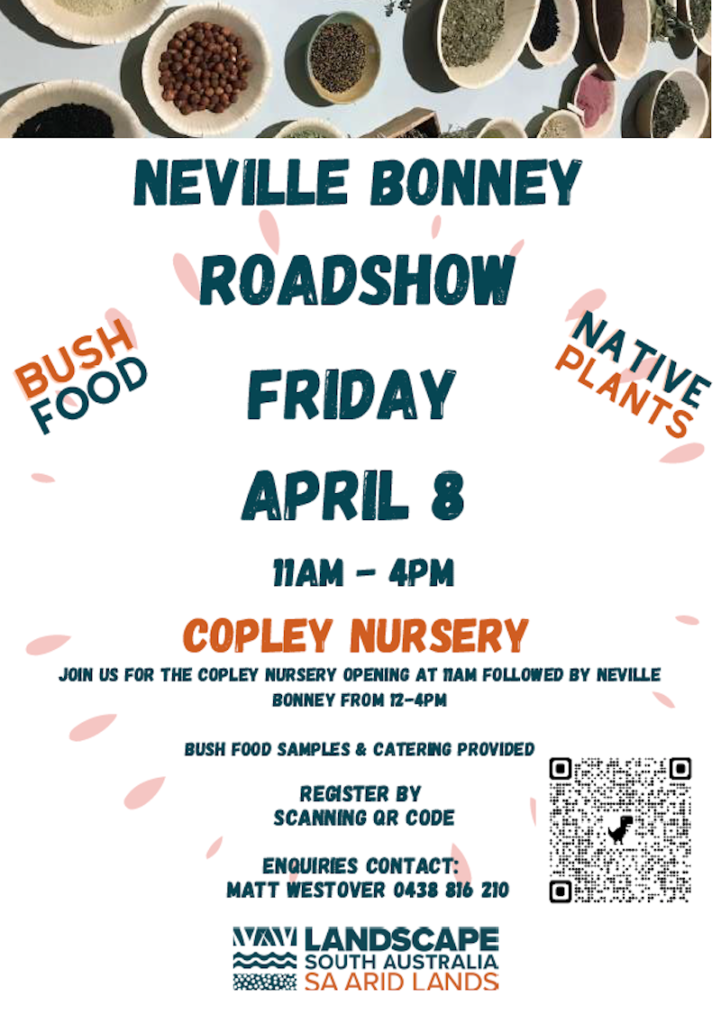
Neville Bonney is an experienced researcher, author and producer of Australian bush foods. His recent road show through the Flinders Ranges was received with great enthusiasm, covering botany and propagation techniques as well as a surprising culinary array. The Leigh Creek Library collection includes Neville’s publications:
Jupiter and Venus move into conjunction, visible on May 1, 2022. Neptune is also indicated in this array but unlikely to be seen with the naked eye.

The very large pedipalps (carrying mating organs) at the fore of this Red-headed Mouse Spider could lead you to wonder if you are looking at a ten legged spider! The Red-headed Mouse Spider is a burrowing spider related to Funnel-web, Tarantula and Trap-door spiders.
Males are busy wandering around in search a female from March until as late as June. The male, with the distinctive red head, is listed by the Australian Museum as being typically 15mm while brown females are a much larger 35mm. If you know why this male at Beltana is a whopping 50mm (measurement including legs), please let us know.

More on Red-headed Mouse Spiders.