Meadow Argus (Junonia villida calybe) butterfly resting near the ground in Italawi Gorge. Possible host plants in the area include local Goodenia, Fan flower and Convolvulus species.

Meadow Argus (Junonia villida calybe) butterfly resting near the ground in Italawi Gorge. Possible host plants in the area include local Goodenia, Fan flower and Convolvulus species.
The Leigh Creek School Community Library in the Northern Flinders Ranges is hosting a live display of locally cultivated Milkweed plants that are home to a dynamic microcosmic world of Milkweed Aphids, Ladybugs, Australian Lesser Wanderer Butterfly caterpillars and more. The insect lifecycles have captured the imagination of many people in the community, young and old.
The installation has tied in with STEM and English studies at the school, and has already expanded into host and nectar plant cultivation in the school nursery, and an outdoor butterfly enclosure. The project has also grown to include the emergence of various Hawk-moths and other insects found in the local area.
The star of the show, however, has been the stunning Australian Lesser Wanderer Butterflies, which after pupating in surprising places around the library are emerging day by day in the Library.


The Wanderer, or Monarch, Butterfly introduced to Copley in the Northern Flinders Ranges by a local enthusiast. Both caterpillar and adult feed on a variety of cultivated Milkweed hosts plants. Wingspan 100mm.


Female Orchard Swallowtail Butterfly (Papilio aegeus aegeus) seen around citrus plants which are host plants to caterpillars, in Copley, Northern Flinders Ranges.

Australian Lesser Wanderer Butterfly (Danaus petilia) and caterpillar feeding on cultivated Milkweed in the Copley, Northern Flinders Ranges in January.


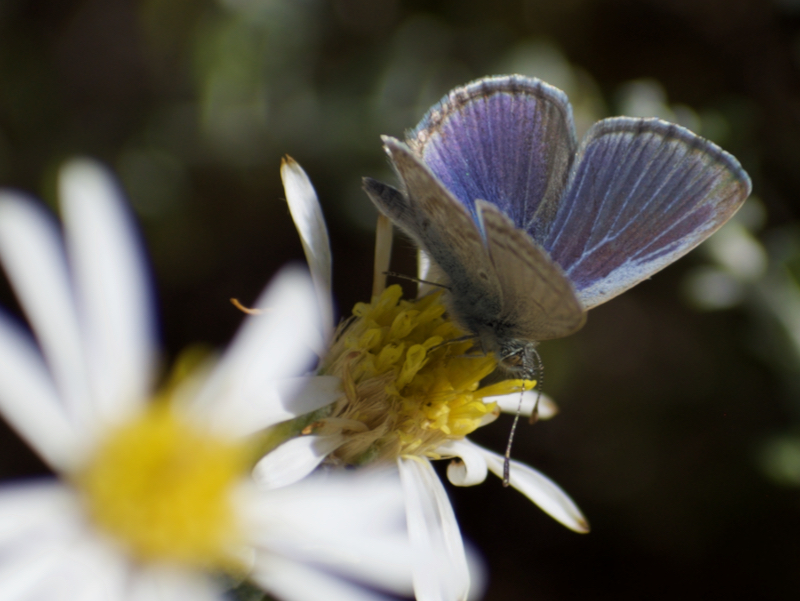
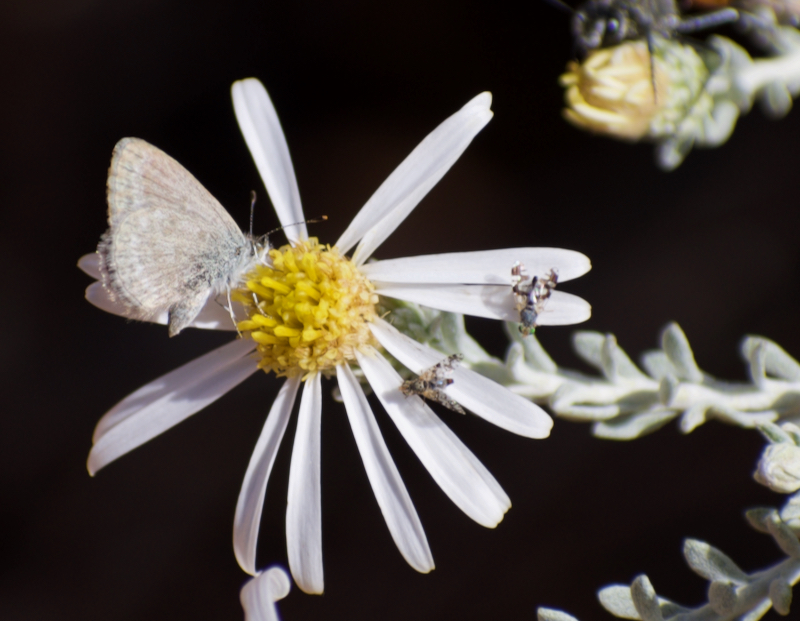
The Two-spotted Line-blue Butterfly is common to arid lands such as the Flinders Ranges, with Acacia species such as the Western Myall, Mulga and Dead Finish providing food for larvae.