
Common Bronzewing pigeon, Copley, northern Flinders Ranges, in October.

Common Bronzewing pigeon, Copley, northern Flinders Ranges, in October.
A solitary Black-tailed Native-hen at Copley, northern Flinders Ranges in October.


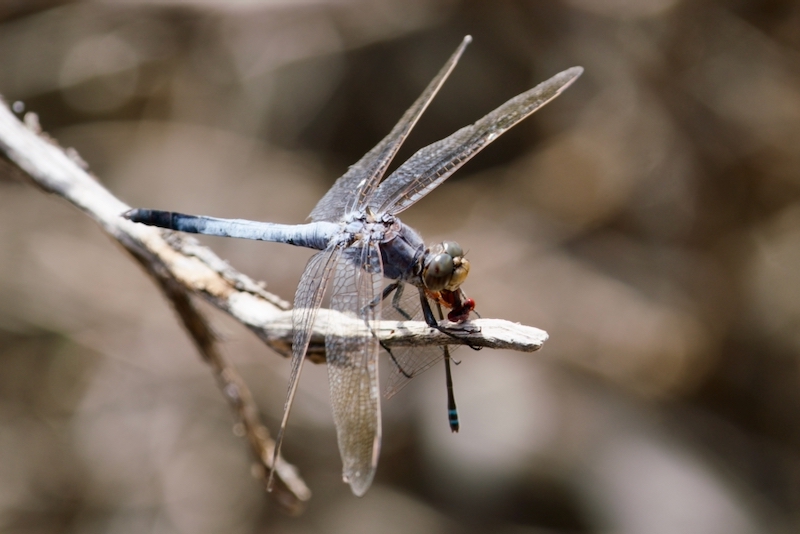
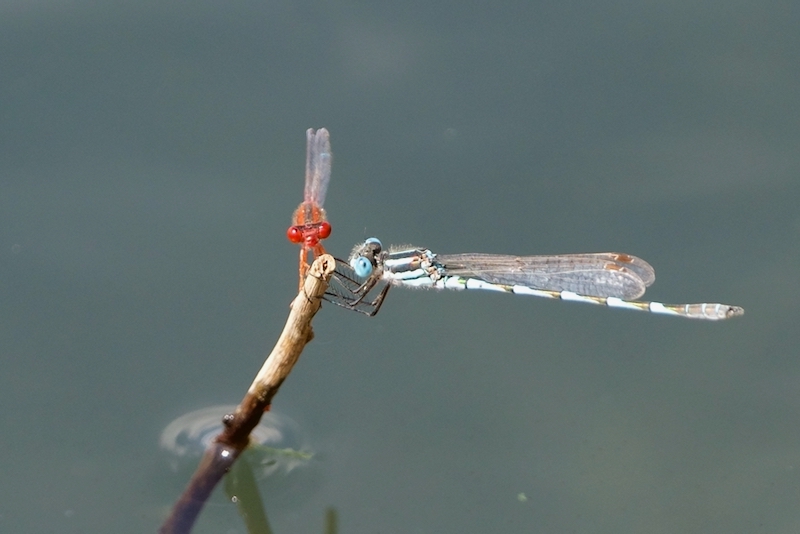
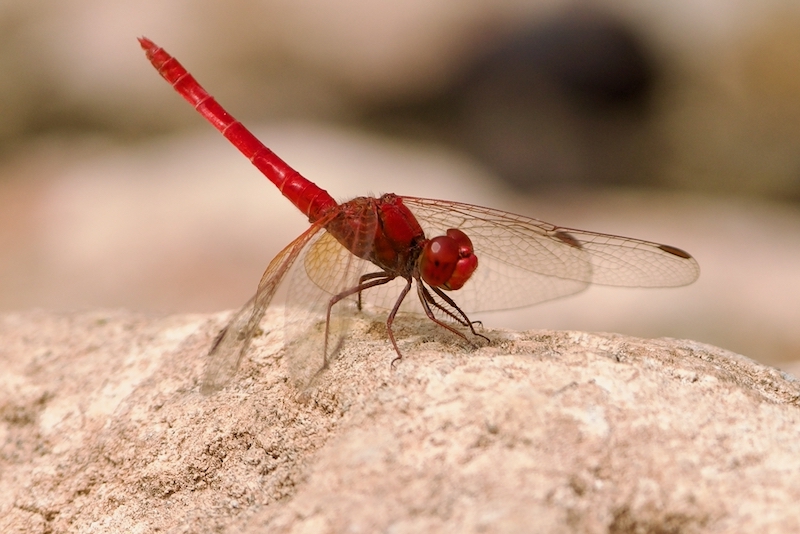
Both Dragonflies and Damselflies are superb hunting carnivores. A common sight around dams and springs throughout the Flinders Ranges, nymph (juvenile) casings are located at the lower parts of trees and shrubs, or rocks, near the water’s edge. The transition between nymph and adult occurs during the night, with the new adult emerging with a soft, pale exoskeleton which hardens and brightens into the full complement of striking colours by sunrise.
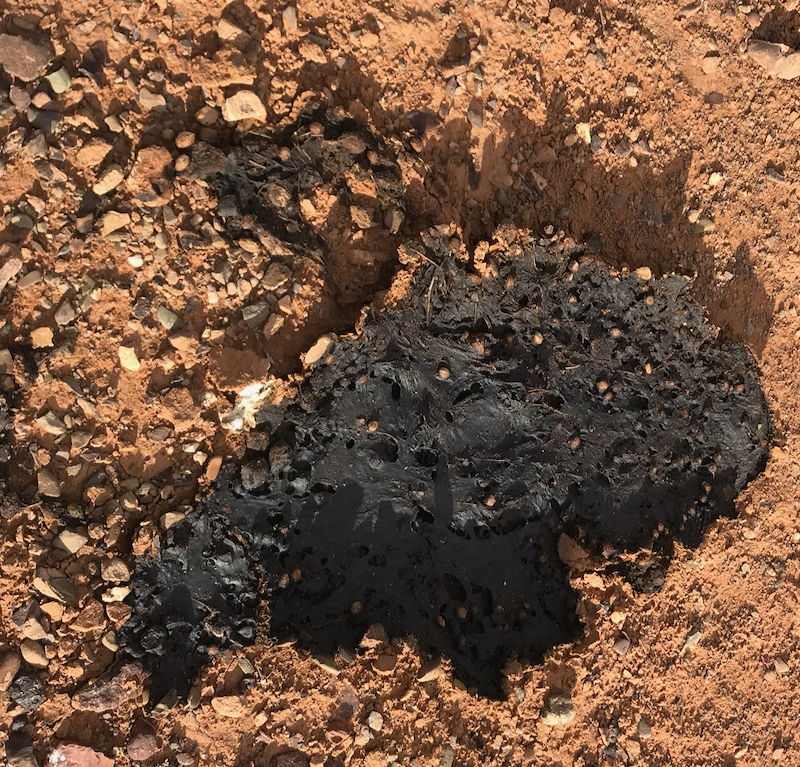
Desert Shaggy Mane, or Black Powderpuff, appearing five days after summer rain in the Northern Flinders Ranges.


Murray River turtles (Emydura macquarii) are native to the Murray Darling Basin and introduced to Aroona Dam in the northern Flinders Ranges.


At Copley Retention Dam in the northern Flinders Ranges, the indigenous Musk Duck (Biziura lobata) can be observed in its natural habitat. Males are larger than females and feature a distinctive fleshy lobe beneath their bill. Known for a unique musk scent emitted from a gland near their rump, these ducks are powerful divers that forage for aquatic animals beneath the water’s surface.


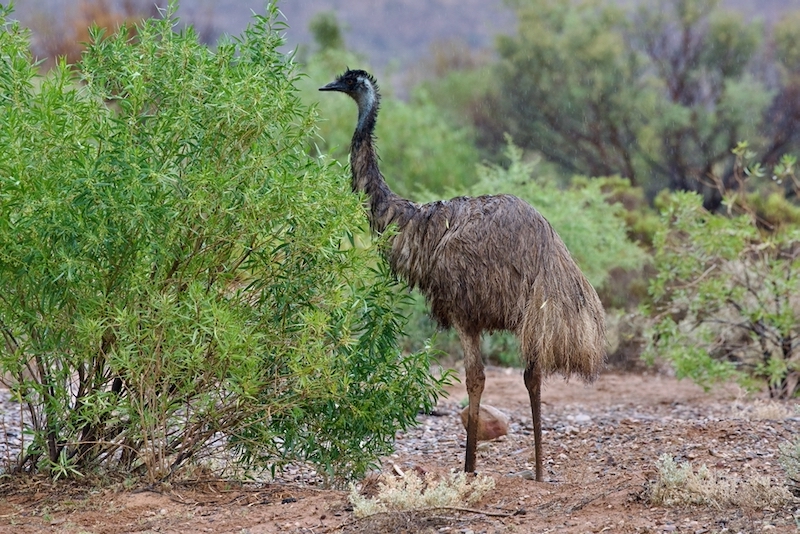
The diverse Emu diet includes the seeds of a wide range of plants in the Flinders Ranges including Sandalwood, Quandong, Nitrebush, Eremophilas, Myoporum and Ruby Saltbush. Emus carry seeds in their gut from 3 hours to 10 months (depending on the type of seed) and can walk 13.5 km daily, making them significant agents of seed dispersal.
Cossid Moth of the genus Endoxyla. It is possibly a new species and seems close to one coded Endoxyla ANIC sp13 in collections. The larvae would be borers in the roots or stems of woody plants.


Sand Goanna (Varanus gouldii gouldii), also known as the Gould’s goanna or Sand Monitor seen at Aroona Sanctuary in the northern Flinders Ranges.


Also known as the Clustered Sea-heath, Frankenia serpyllifolia grows about 30cm in heavy clays and gibber plains, seen here flowering in October near Copley in the northern Flinders Ranges.

