
Hundreds of evacuated mud wasp nests observed in a cave in the cliff face of Barraranna Gorge, Arkaroola.

Hundreds of evacuated mud wasp nests observed in a cave in the cliff face of Barraranna Gorge, Arkaroola.
Yellow-footed rock wallabies have been saved from extinction by initiatives such as the Bounceback program in South Australia’s arid ranges, including the Flinders and Gammon Ranges. Read more about these delightful outback characters on the South Australian Arid Lands Natural Resources Management Board factsheet.

Pleiades, Taurus and Orion rising in the clear winter sky at Arkaroola at dawn, a perfect location for Arkaroola’s state of the art astronomy tour.

Green Emubush, Eremophila serrulata, flowering on the rocky slopes of the Acacia Ridge Trail, Arkaroola.


Following winter rains, an uncommon tinge of vivid green may be seen in the damp south side shade of bluebush and saltbush growing in floodways. This moss was observed along the Arkaroola Road in the Northern Flinders Ranges.


Wurmbea australis is endemic to South Australia. Seen here in the arid slopes of Nilpena in the Flinders Ranges in winter.


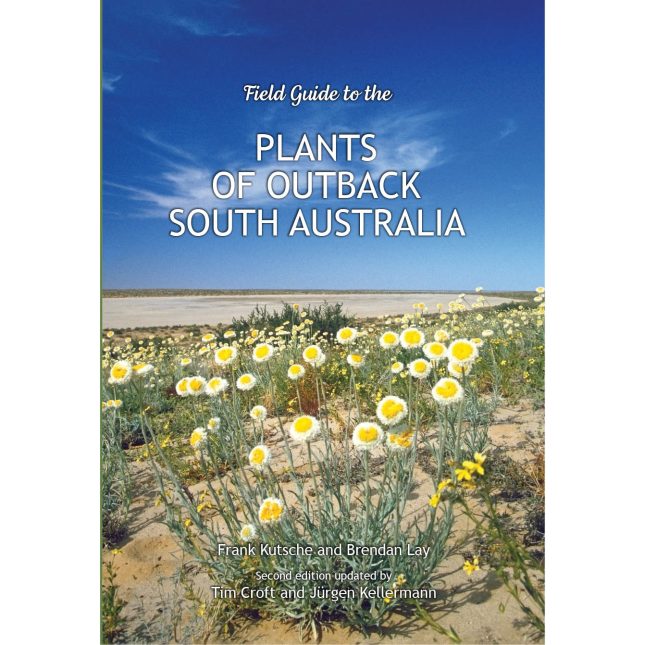
After nearly 15 years out of print, the second, fully revised edition of Plants of Outback South Australia has been published. A collaboration between the State Herbarium of South Australia (Botanic Gardens and State Herbarium) and the Pastoral Unit (Department for Environment and Water), this is a key field guide to South Australia’s arid lands.
Black-headed Bull Ant in Copley, Flinders Ranges (20mm).

Read about bull ants in the Australian Geographic article Australia’s native bull ants are really just wingless wasps.
