
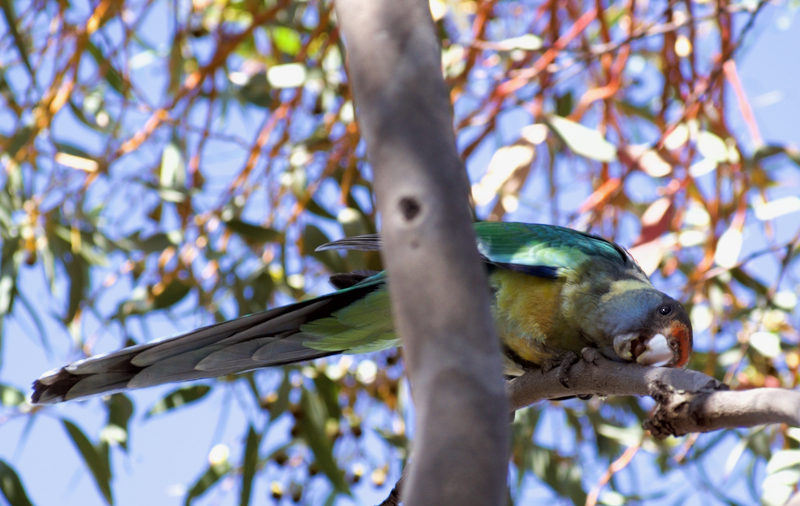
Juvenile hybrid of the Port Lincoln Parrot and Mallee Ringneck heard calling after its mother in the Northern Flinders Ranges.
Juvenile hybrid of the Port Lincoln Parrot and Mallee Ringneck heard calling after its mother in the Northern Flinders Ranges.
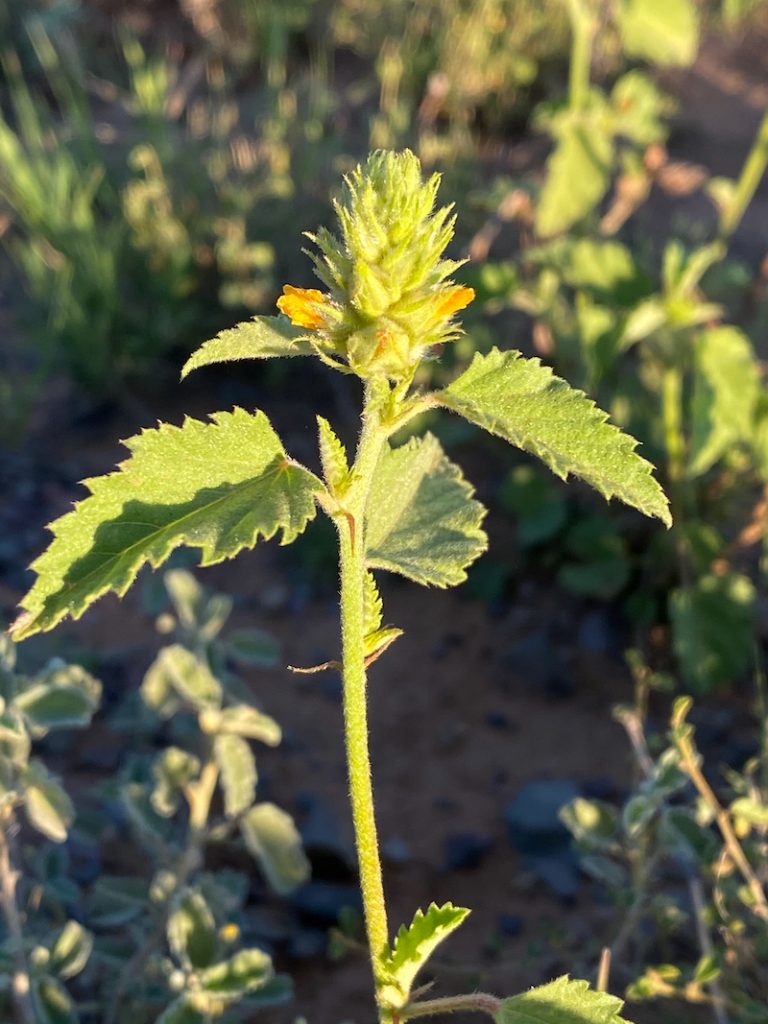
Spiked Mallow (Malvastrum americanum) is an introduced perennial forb seen in clay soils throughout the Flinders Ranges. Large stands such as this one in Copley occur after rains.
Statice (Limonium lobatum, Winged Sea Lavender) is an introduced species of growing concern, flowering here near Hawker in November.


Thick-tailed or Barking Gecko, Beltana.
A print resolution map of the Geology of the Flinders Ranges, including geological notes, drives and walking trails, can be downloaded here.


Iridomyrmex ants farming herds of aphids (and their white nymphs) in Spring in Beltana. The aphids feed on the sap, in this case of an Eremophila biserrata, and excrete sugary ‘honeydew’ which is farmed by agricultural ants in exchange for protection.


The edible Salty Ice Plant, Mesembryanthemum crystallinum, flowering in Beltana in Spring.

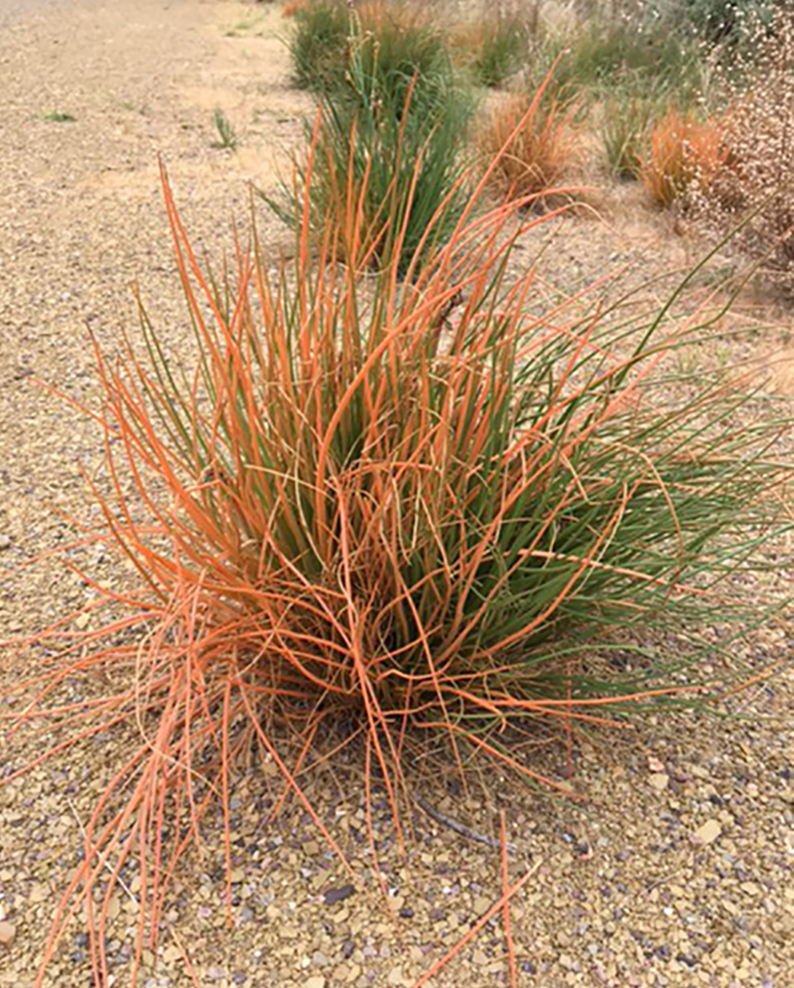
Asphodelus fistulosus, Onion Weed, seen throughout the Flinders Ranges, dies back into vivid orange in Spring.
Devil’s Claw (Ibicella Lutea) seedpod seen in Warioota Creek, Northern Flinders Ranges.


A thriving Senecio magnificus, also known as Showy Groundsel or Perennial Yellow-top, extending into the branches of an Acacia Victoriae.

