
Even in the presence of a running spring, Euros (Macropus robustus) are known to dig soaks in creekbeds for subterranean water.


Even in the presence of a running spring, Euros (Macropus robustus) are known to dig soaks in creekbeds for subterranean water.
Santalum acuminatum, also known as the Desert Quandong or Wild Peach, is a nutritious bush tucker. Fruit ripens with warm northerly winds between August and October. Quandong fruit is very high in vitamin C and can be harvested when fresh or dried. Nuts contain rich edible kernels with antibacterial properties.
Shale of the Tapley Hill Formation.

An Inland Pigface succulent, Carpobrotus modestus, out of its comfort zone in the clay plains south of Farina.

Mud nests in the Gypcrete of White Cliff Hill constructed by Fairy Martins, Petrochelidon ariel.
On the northern fringes of the Flinders Ranges, White Cliff Hill is formed out of gypcrete layers over the older precambrian dolomitic shales and magnesite of the Skillogalee formation.
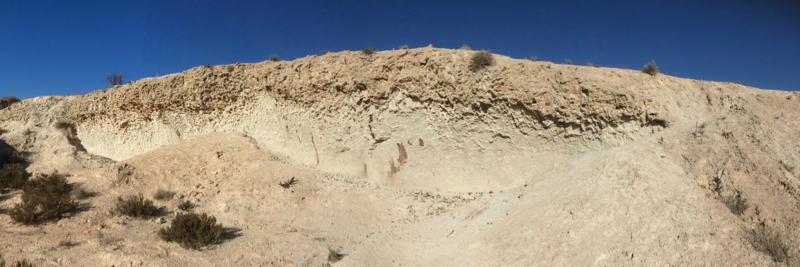

Coursley crystalline gypsum in the Gypcrete formation.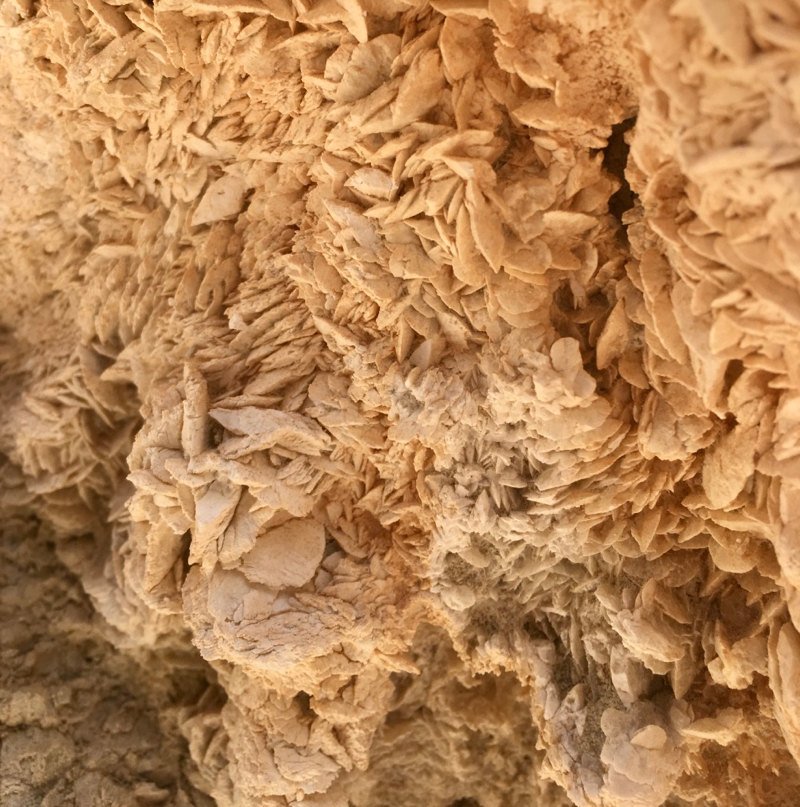
Outcropping sheets of gypsum. Continue reading “Gypcrete formation: White Cliff Hill”
Senecio magnificus, the Tall Yellow-Top, in flower in the Northern Flinders Ranges.
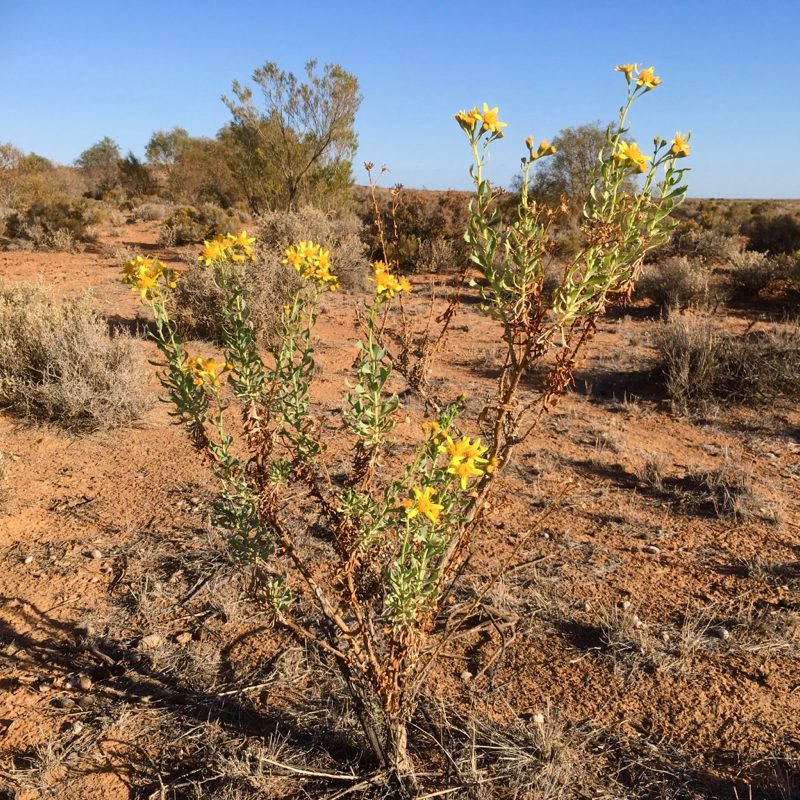
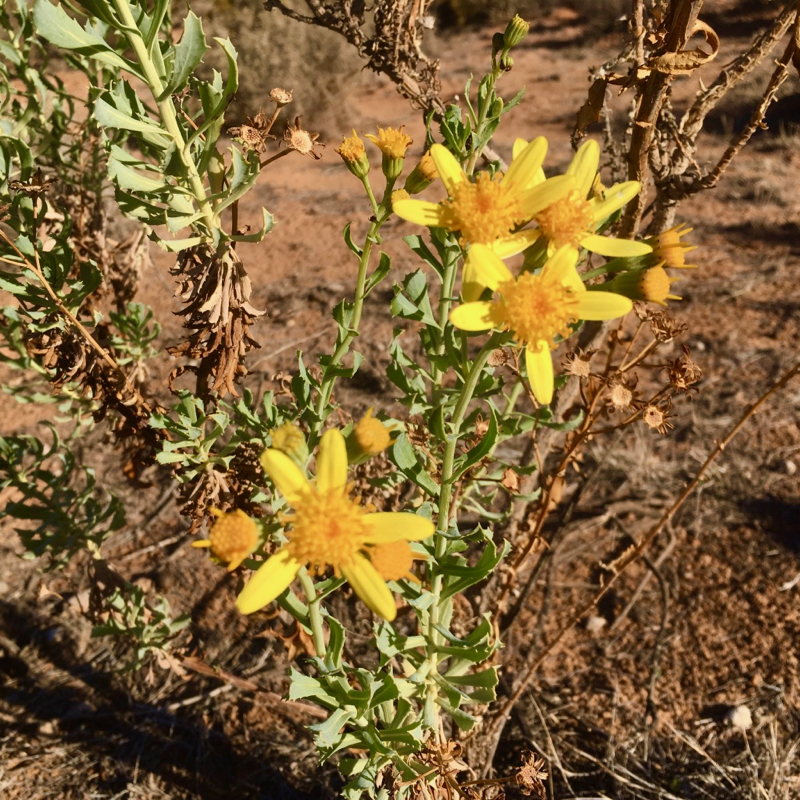
Eremophila duttonii, also known as a Native Fuchsia or Emu Bush, in flower in the Northern Flinders Ranges.


NASA predicts a particularly prevalent Perseid meteor shower this year, with high number of fireballs in the sky in this week leading up to the peak event when the earth moves through the stream of debris from comet 109P/Swift-Tuttle. Prime viewing is expected on August 11-12th.
While the northern hemisphere views will be optimal, constellations Perseus and Taurus should be visible on the northern horizon in the Flinders Ranges before sunrise. This image generated by Stellarium software shows the local view as at August 12th, 5.51am. Alderbaran (marked in white) is a prominent orange giant star in the constellation Taurus. Other familiar markers to look for in the field of view are the Pleiades and Orion.

Meteors will be moving from Perseus toward Taurus, as seen in this graphic from spaceweather.com :

Weathered red-brown shale, likely Tapley Hill Formation, and quartz in a valley of clay and sand deposits.


