Male Flower Wasp feeding on Grevillea nectar near Lyndhurst in November. Body length approximately 25mm.

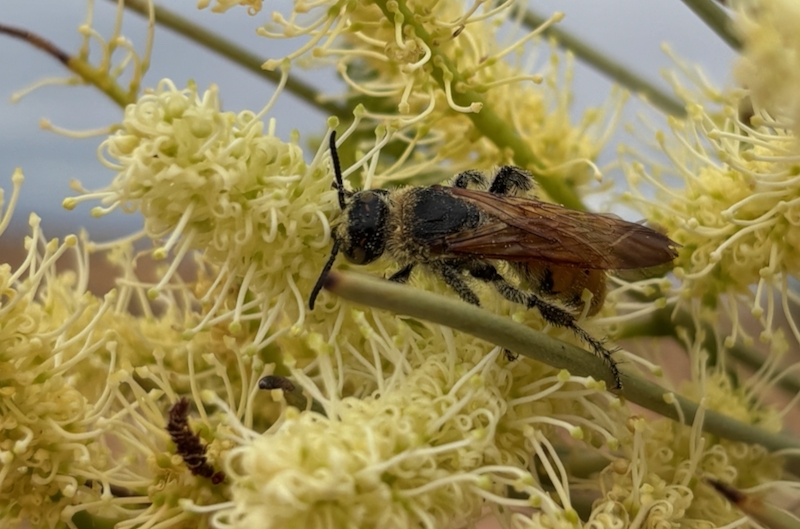
Male Flower Wasp feeding on Grevillea nectar near Lyndhurst in November. Body length approximately 25mm.
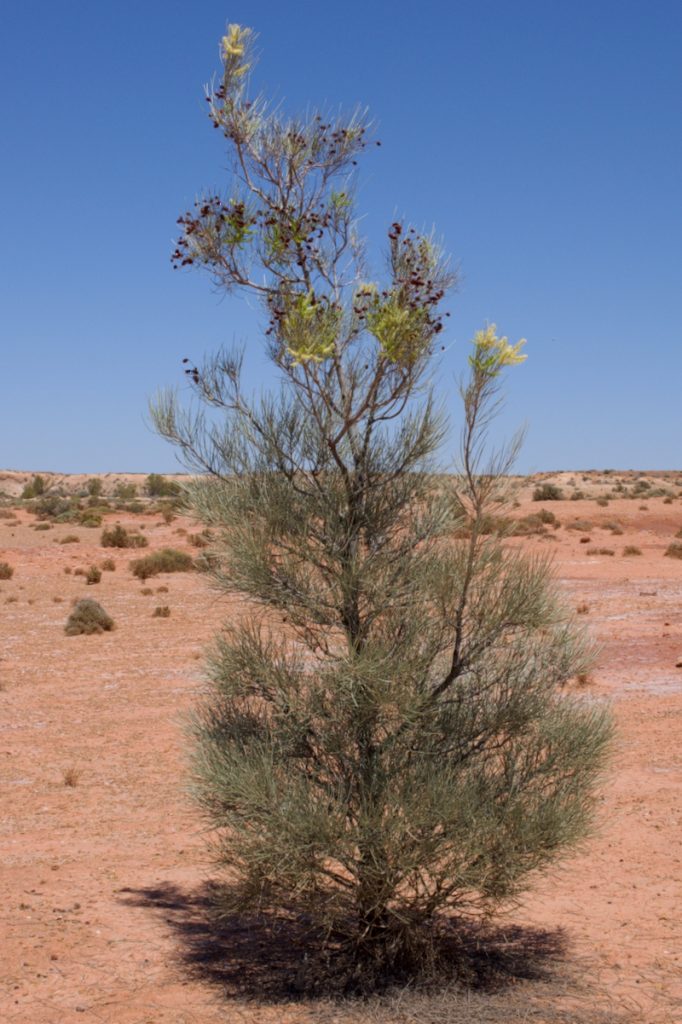
Grevillea nematophylla ssp. nematophylla, known as Water Bush, is a rare sight in the Flinders Ranges. This solitary tree between Copley and Lyndhurst was flowering in November.
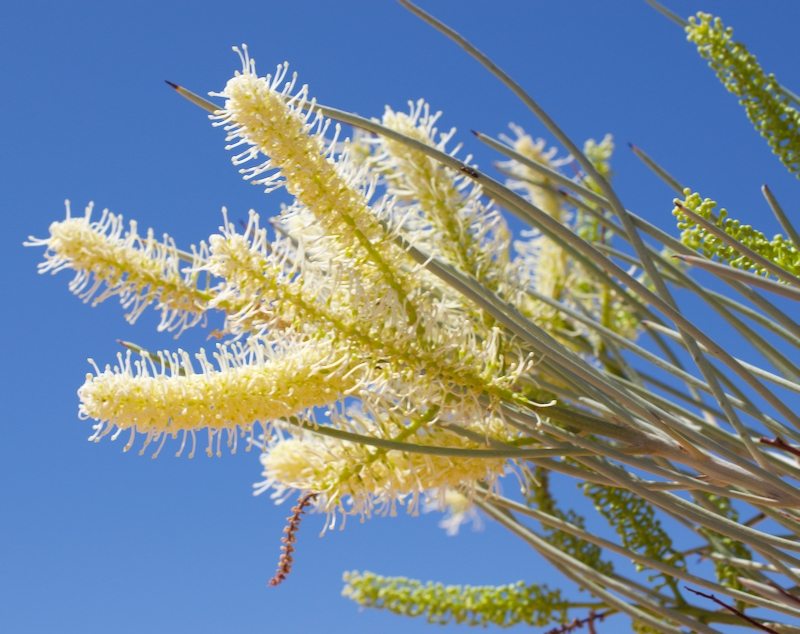
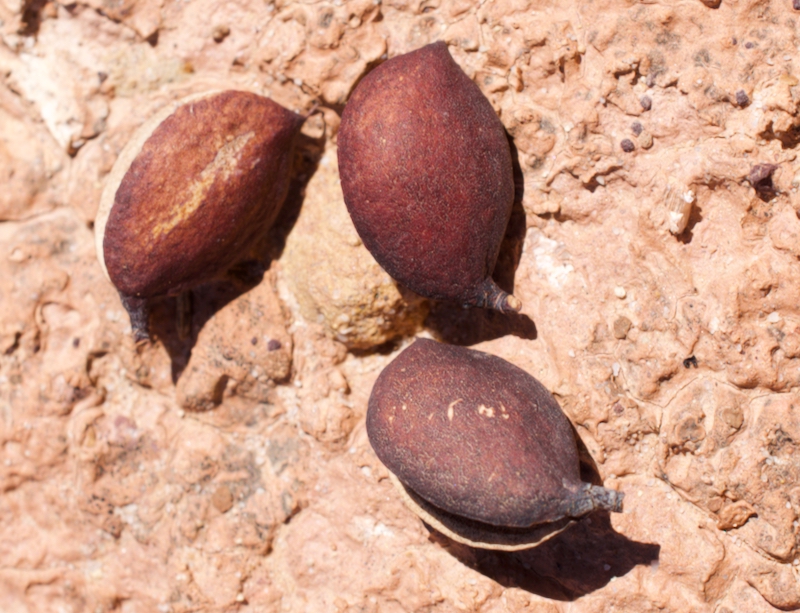
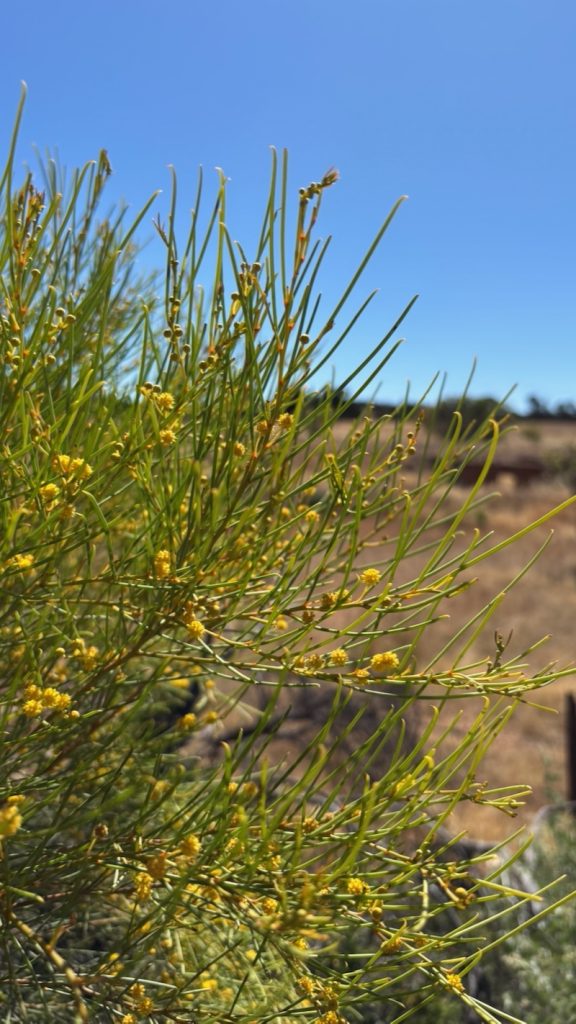
Acacia rigens, known as the Needlebush Acacia, flowering in the Hawker area in November.

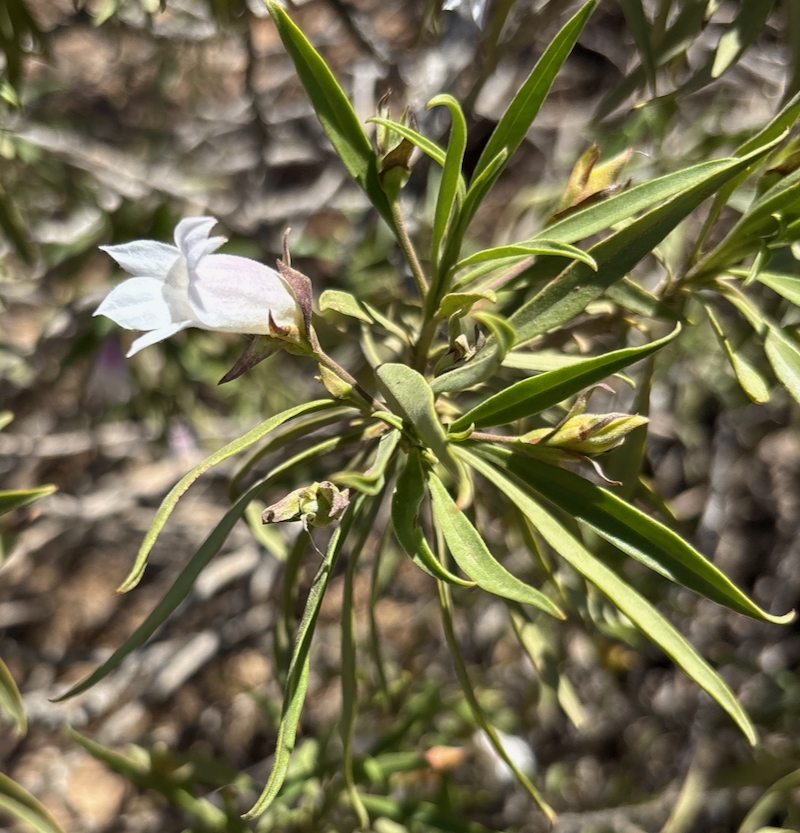
Eremophila freelingii is a common sight in the Flinders Ranges, with flowers that are typically blue-purple to mauve. These white and lilac coloured Eremophila freelingii flowers were seen on Leigh Creek Station in the North Flinders Ranges in November.

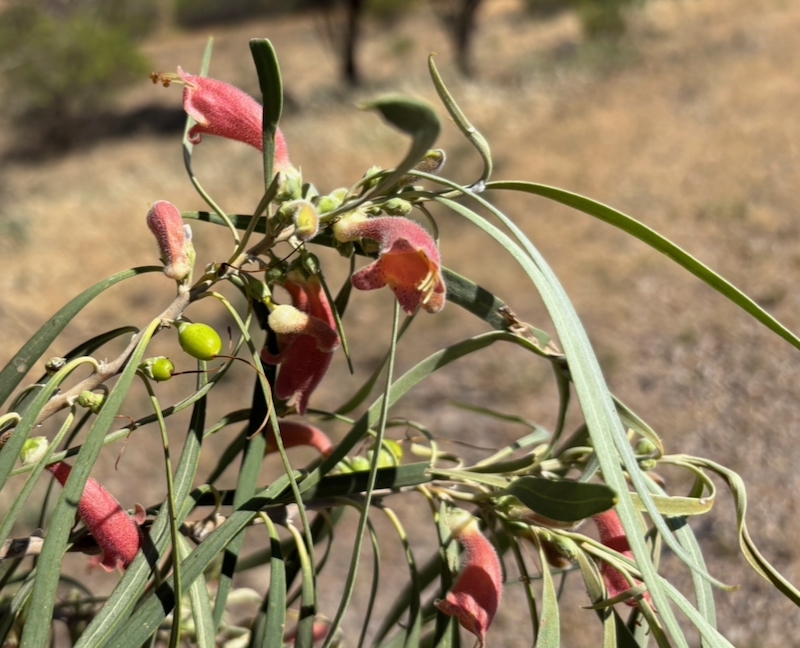
Eremophila longifolia, distinguished by its drooping strappy leaves, seen flowering near Carrieton in November.
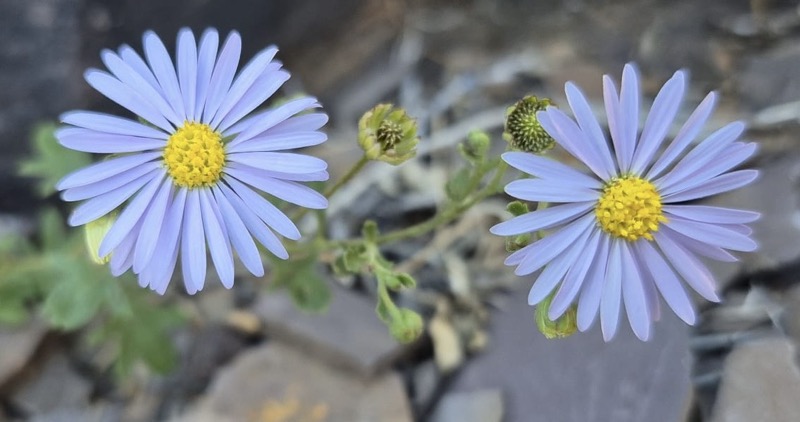
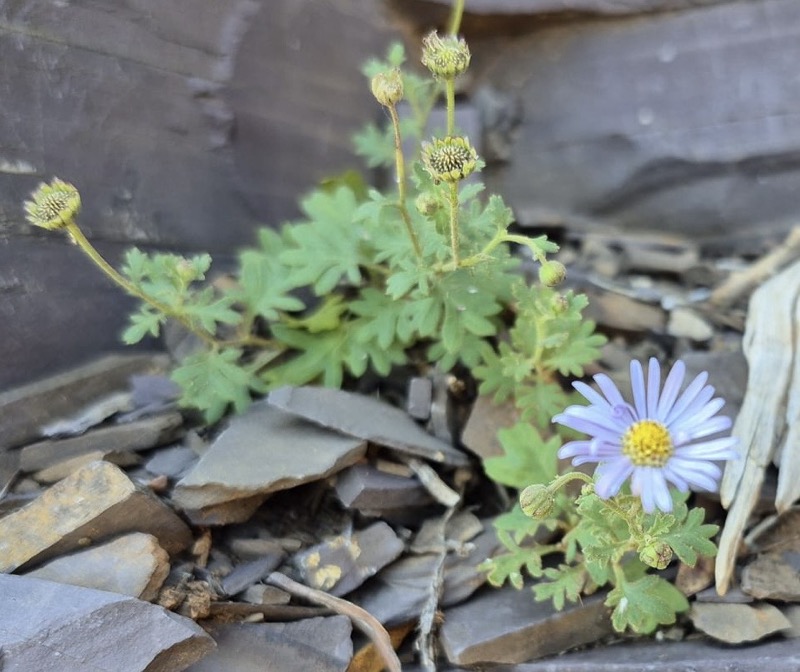
The Purple Burr-daisy (Calotis cuneifolia) is uncommon in South Australia, local to the flood plains of the Murray River flood plains. It was seen flowering among the shales of Chambers Gorge in the North Flinders Ranges, South Australia, in November.
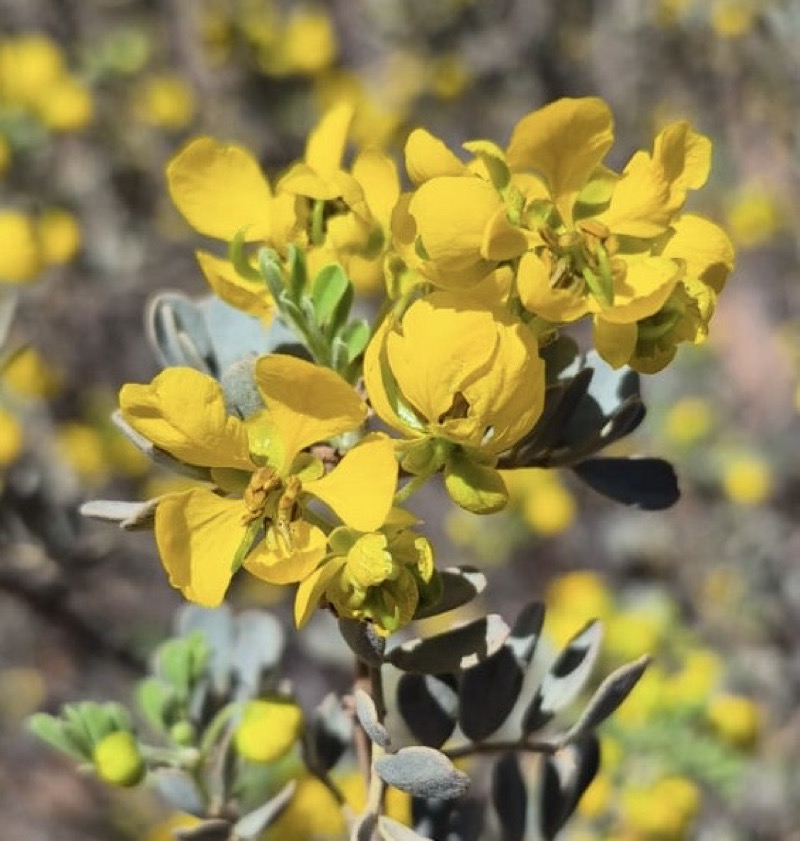
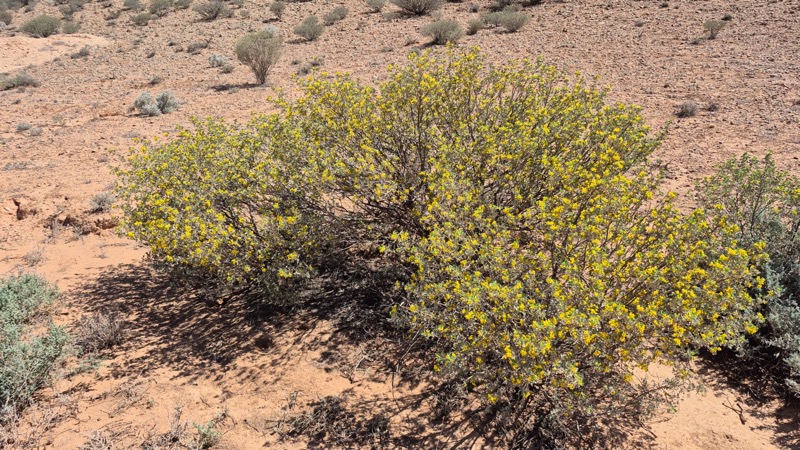
Limestone Cassias (Senna artemisioides subsp. oligophylla) flowering in Spring in the Flinders Ranges.
Two Wild Tomato, or Felted Nightshade (Solanum quadriculatum) plants flowering side by side in Aroona Sanctuary displayed different flower forms – one lobed and one pentagonal.


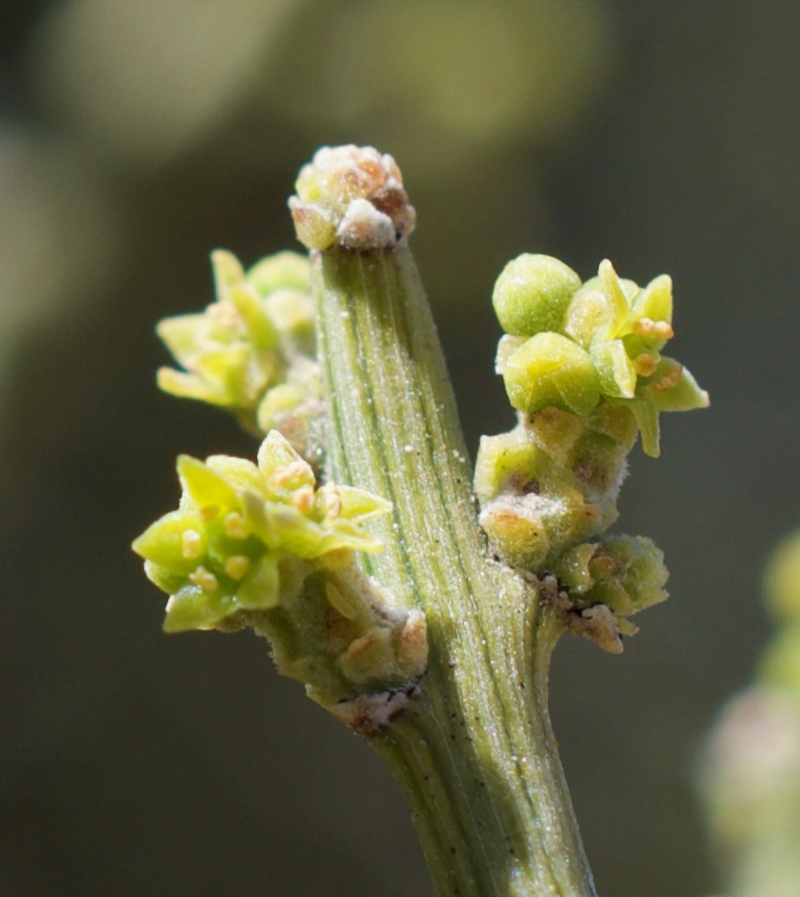
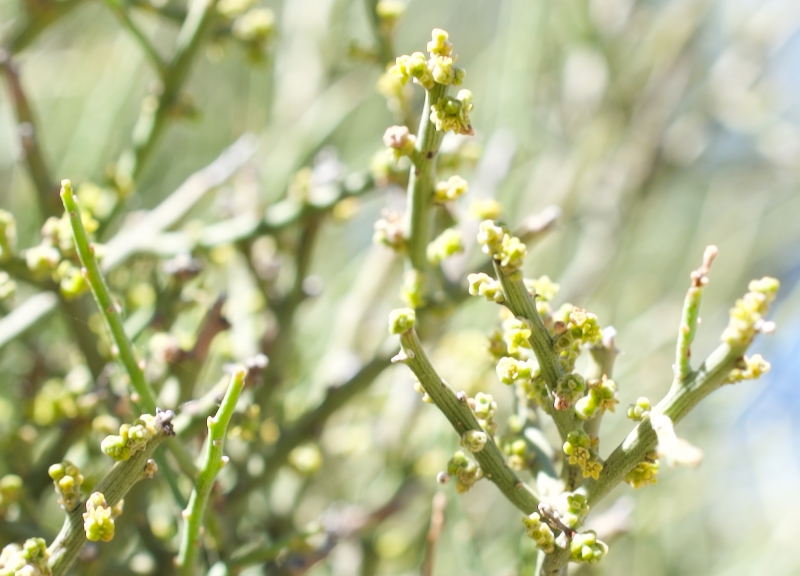
The semi-parasitic Jointed Cherry, Exocarpus aphyllus, flowering on the Copley Commons in November. Flowers approximately 2mm. Host to Case Moth larvae.
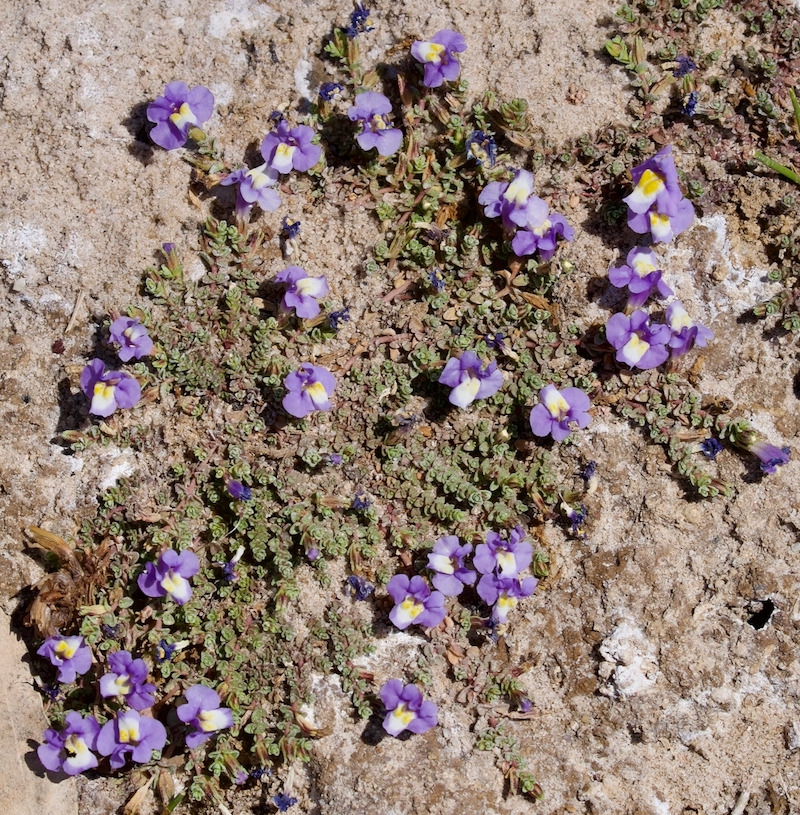
Thyridia repens, the Creeping Monkey-flower, is a prostrate marginal water plant native to Australia and New Zealand. A prolific groundcover on the banks of Retention Dam, Copley.