
See the Flinders Ranges Walks app for a guided walk through Italawi Gorge.

See the Flinders Ranges Walks app for a guided walk through Italawi Gorge.
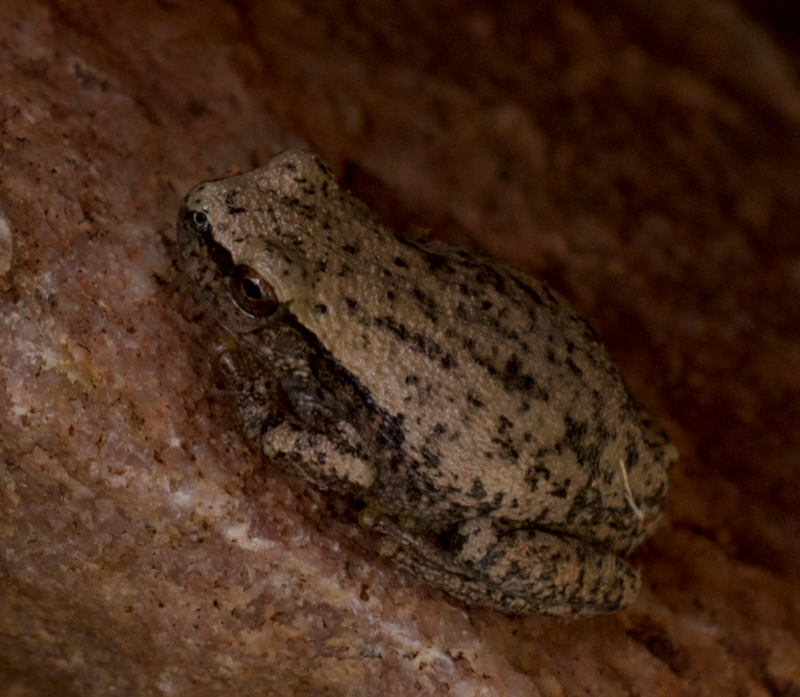
Desert Tree Frog in a gorge crevice at Italawi Gap in May, after late summer floods.
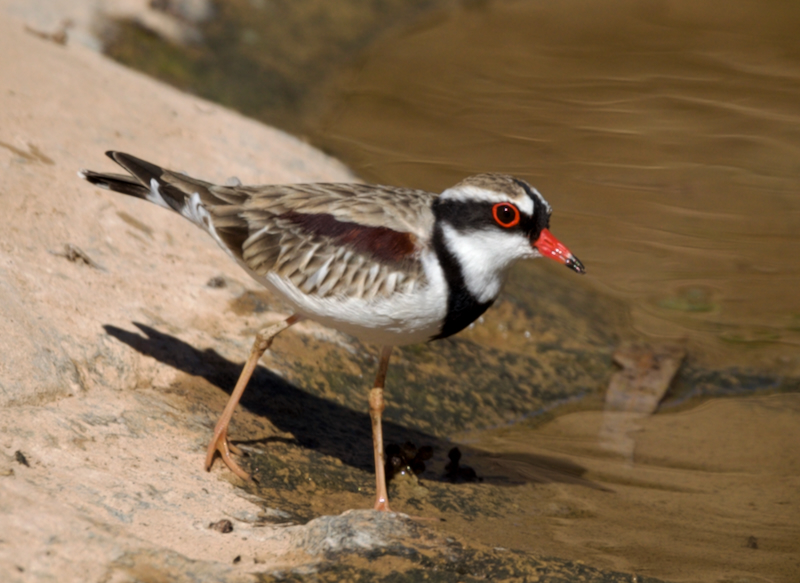
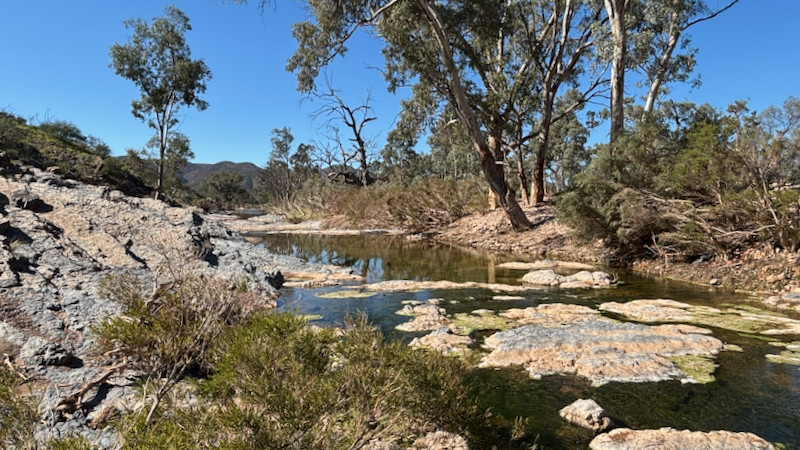
After years of drought, shorebird Eleyornus melanops, the Black-fronted Dotterel made an appearance in Vulkathunha National Park in the northern Flinders Ranges. Sighted here at John Crossing, a spring that has been flowing since recent flooding rains.
A mob of the largest marsupials in the world, the Red Kangaroo (Osphranter Rufus) on the open plains of the Gammon Ranges.


Nyctoziolus Beetle species, known as a Darkling Beetle, spotted at night.

Muddy limestone turbidite, formed from sediment deposits in offshore silty waters during the Cambrian period (around 550 million years ago). The dramatic localised buckling seen here may have occurred in situ during a turbulent underwater event. This rock is part of the Mernmerna Formation in the northern Flinders Ranges.


Friends of Vulkathunha – Gammon Ranges NP have published a beautifully illustrated folded brochure for identifying over 50 of the birds of Arkaroola and the Northern Flinders Ranges. A must-have in any glove box north of Hawker.
Pick up your free copy from the Leigh Creek Library, Arkaroola, Balcanoona Ranger’s Office, Iga Warta, Nepabunna, Copley Quandong Cafe and the Copley Community Garden. Alternatively, you can download a PDF version of the brochure.

Hundreds of evacuated mud wasp nests observed in a cave in the cliff face of Barraranna Gorge, Arkaroola.

Yellow-footed rock wallabies have been saved from extinction by initiatives such as the Bounceback program in South Australia’s arid ranges, including the Flinders and Gammon Ranges. Read more about these delightful outback characters on the South Australian Arid Lands Natural Resources Management Board factsheet.
