
Acacia calamifolia, also known as Wallowa, flowering in September in Parachilna Gorge in the Flinders Ranges.
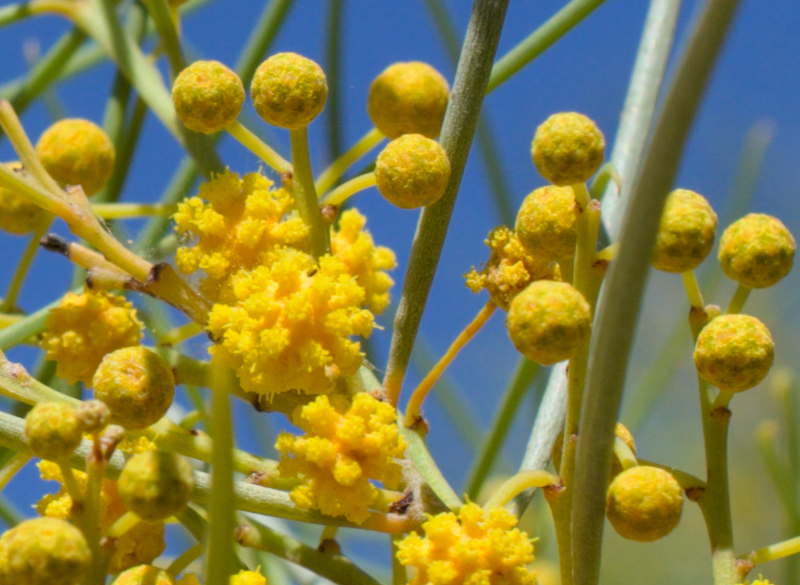
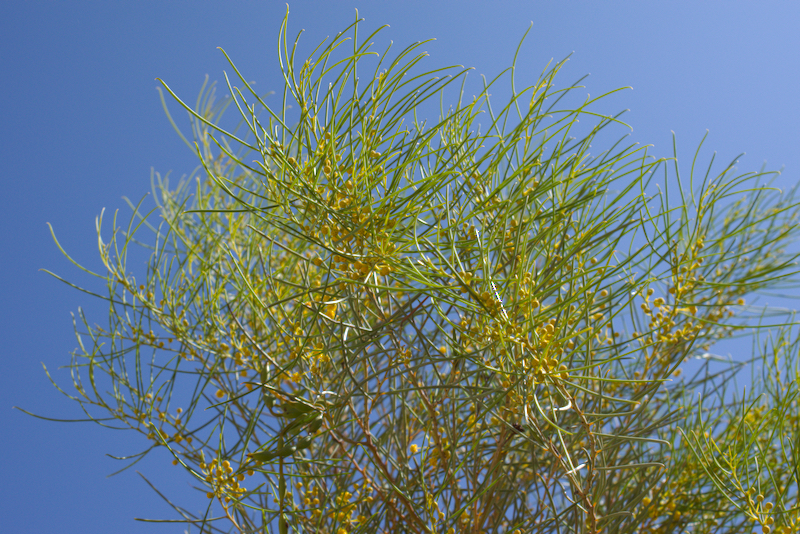
Acacia calamifolia, also known as Wallowa, flowering in September in Parachilna Gorge in the Flinders Ranges.

Flowering Pink Gum-Fruit (Commicarpus australis) winding through an Acacia in Parachilna Gorge.

Senecio magnificus flowering in spring, in Parachilna Gorge, pollinated by bee and Australian Lesser Wanderer butterly.


Desert Tree Frogs call for a mate in floodwater pools in Parachilna Gorge following summer rains.
The Desert Tree Frog (Litoria rubella) is found in the Northern Flinders Ranges. It lives in the vicinity of rock pools and springs, inhabiting damp vegetation and rock crevices, taking the opportunity to mate after heavy rains. Because of the ephemeral nature of floodwaters in arid lands, the larval stages of the Desert Tree Frog may be as brief as 14 days.


Floodwater pooling in Parachilna Gorge after summer rains.

Floodwater in Windy Creek, south of Leigh Creek, feeding into Aroona Dam Sanctuary.


The Nuccaleena Formation is a narrow pink dolomite layer that is frequently found in outcrops across the Flinders Ranges, and is described as being a good ‘geological marker horizon’.
This Nuccaleena Formation outcrop, just 5m wide, is seen in Parachilna Gorge, between the Brachina Formation siltstones and the older calcereous Elatina and Trezona Formations.
Read more about the formation of the Flinders Ranges in The Legacy of Time.
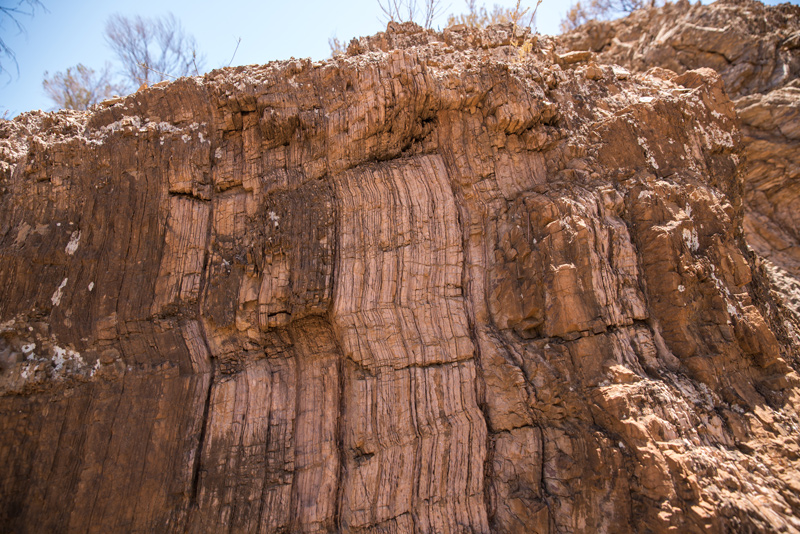
At 10.2 kilometres in from the turnoff from the Outback Hwy into Parachilna Gorge, the geological boundary between Precambrian period and Cambrian period sediments can be sighted.


On the western side of the Blinman diapir in Parachilna Gorge, the ‘Badlands’ are created by rapid erosion of soft rocks.

