Acacia oswaldii, the Umbrella Wattle, with distinctive spiralling seedpods, in November.
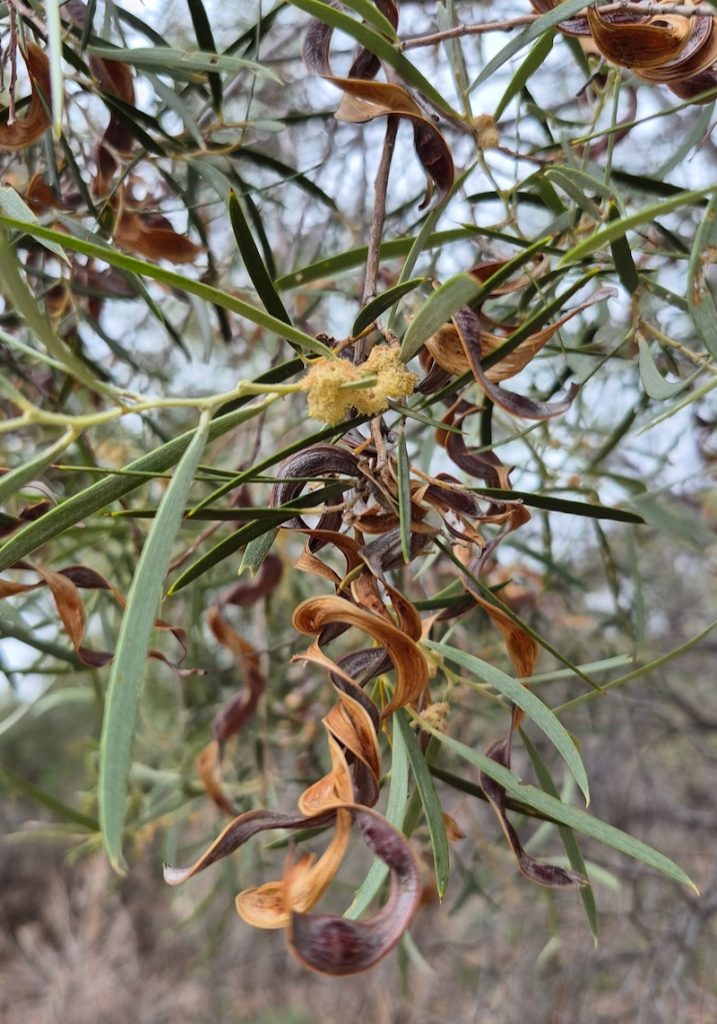
Acacia oswaldii, the Umbrella Wattle, with distinctive spiralling seedpods, in November.
Pimelea elongata, or Rice Flower, growing in a sandy gully at Lyndhurst in October.


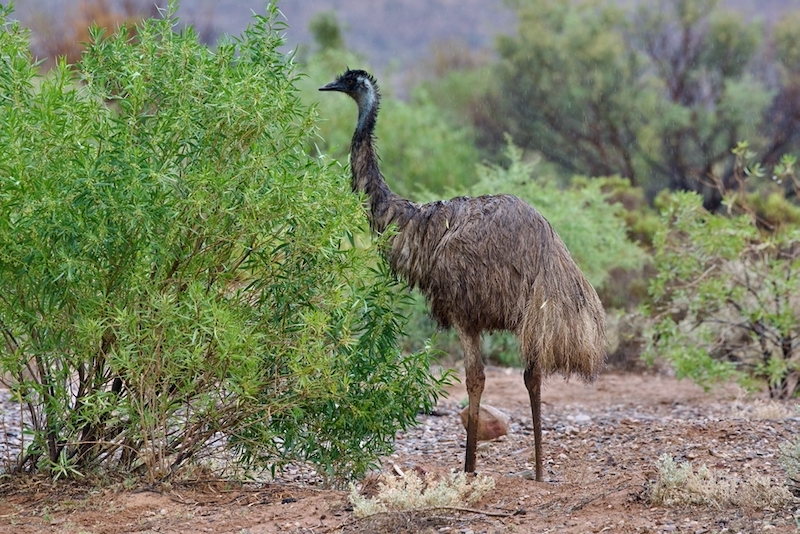
The diverse Emu diet includes the seeds of a wide range of plants in the Flinders Ranges including Sandalwood, Quandong, Nitrebush, Eremophilas, Myoporum and Ruby Saltbush. Emus carry seeds in their gut from 3 hours to 10 months (depending on the type of seed) and can walk 13.5 km daily, making them significant agents of seed dispersal.
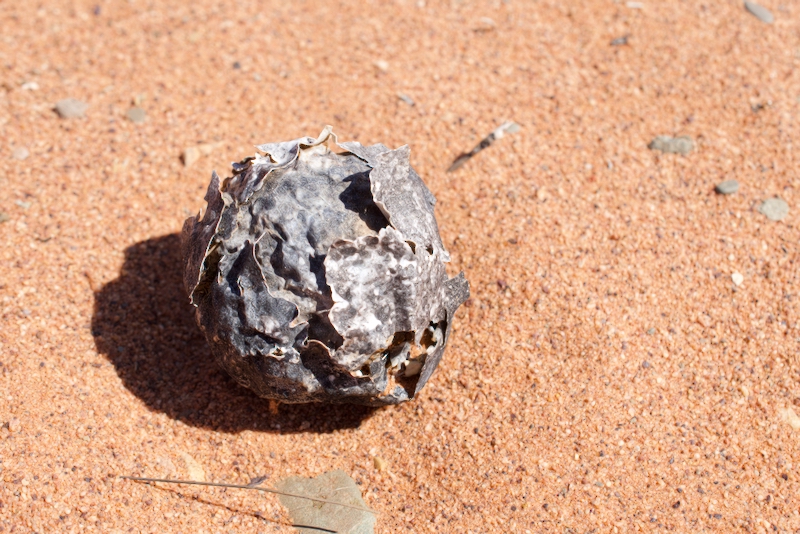
Also commonly known as Paddy Melon, Camel Melon (Citrullus amarus) was introduced to South Australia with camels in the 19th century. Though related to squash, gourds and melons, Camel Melon is not generally eaten. The fruit (approximately 8cm wide), dries into a resilient seed casing, leading to a proliferation of this plant in various harsh outback conditions, including sand dunes.
Austral Trefoil, Lotus australis, is rare in the area, related to the more common Red-Flowered Trefoil, Lotus cruetus. Seen flowering and seeding near Copley in October.

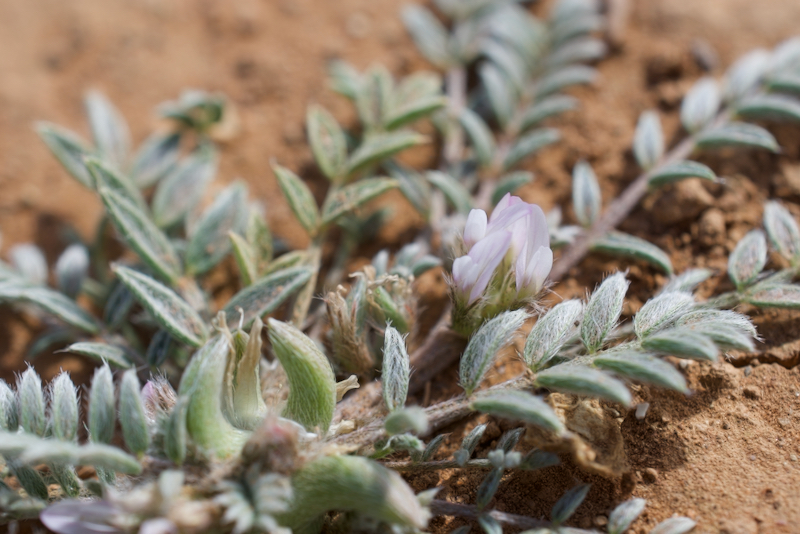
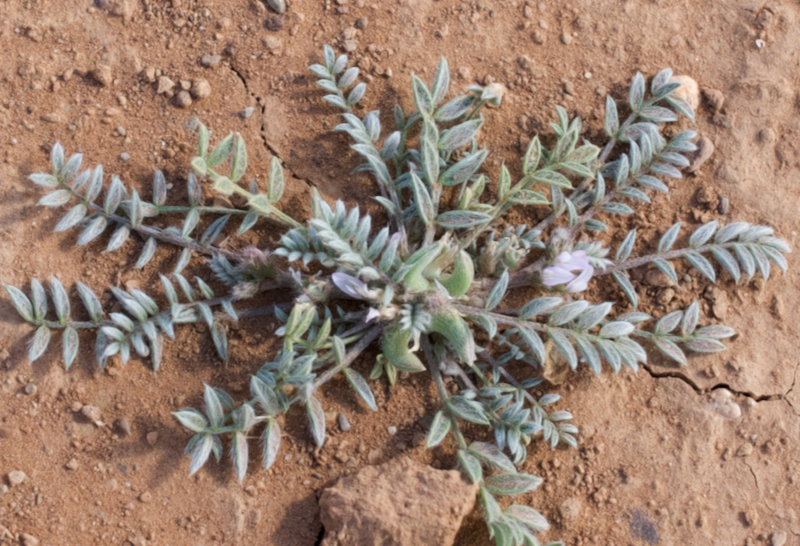
Swainsona minutiflora is a vulnerable species. Sparsely recorded sightings have been recorded between Marree and Marla, observed on the Copley commons from winter to spring. Flowers are a tiny 2-3mm, with the plant growing to around 12cm wide.
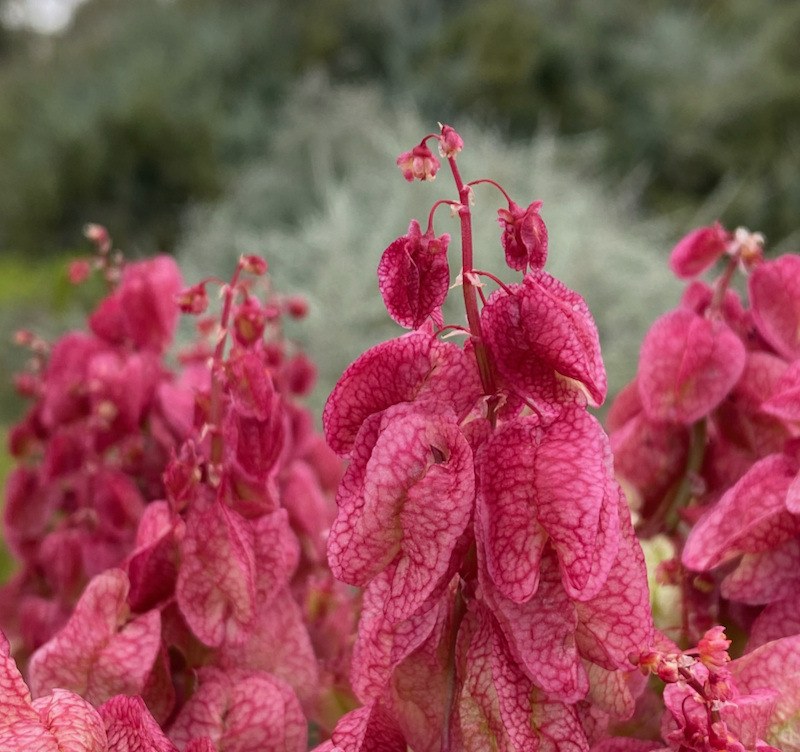
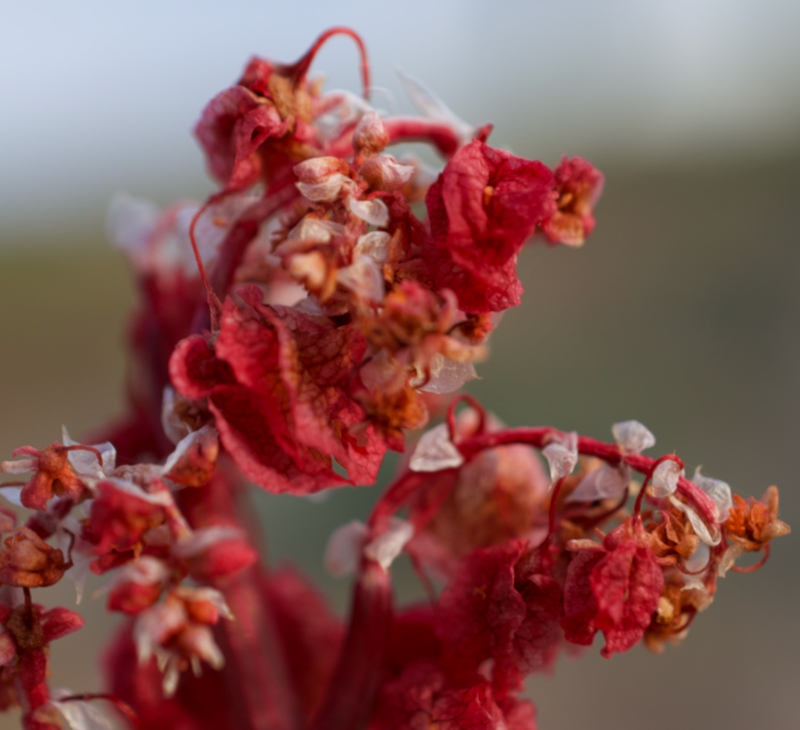
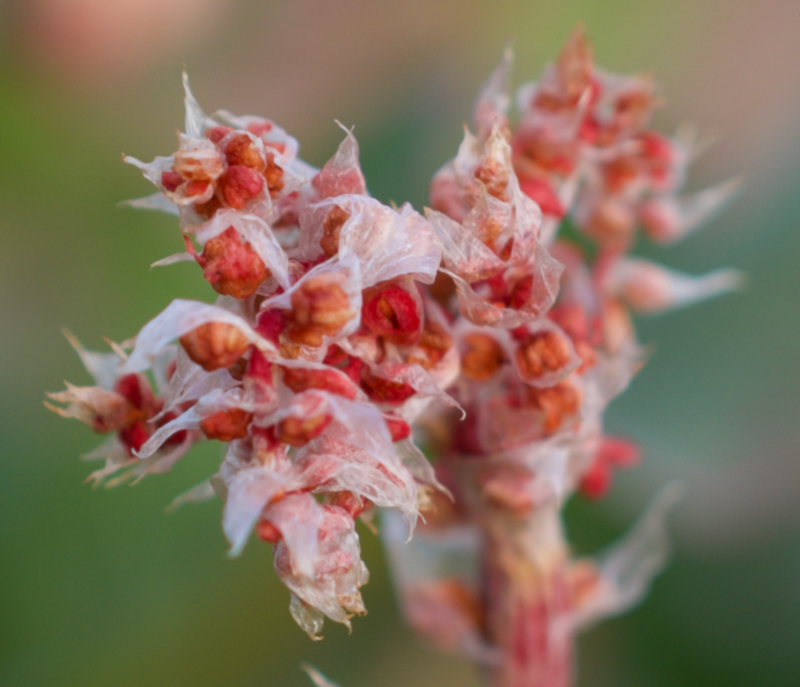
Acetosa vesicaria, known as Red Dock or Wild Hops, is thought to be introduced in the saddles of early Afghan cameleers. Responding quickly to rainfall, Wild Hops can create a stunning flush of colour through the Flinders Ranges.
Triodia, commonly known as Spinifex, observed seeding in winter and producing sticky resin used in traditional artifact making in Australia.
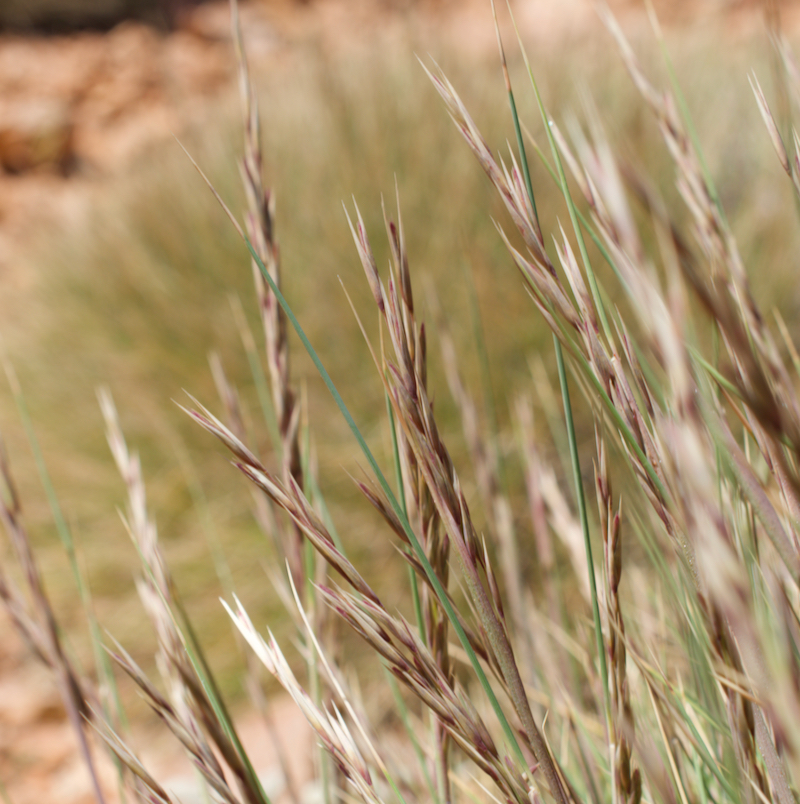
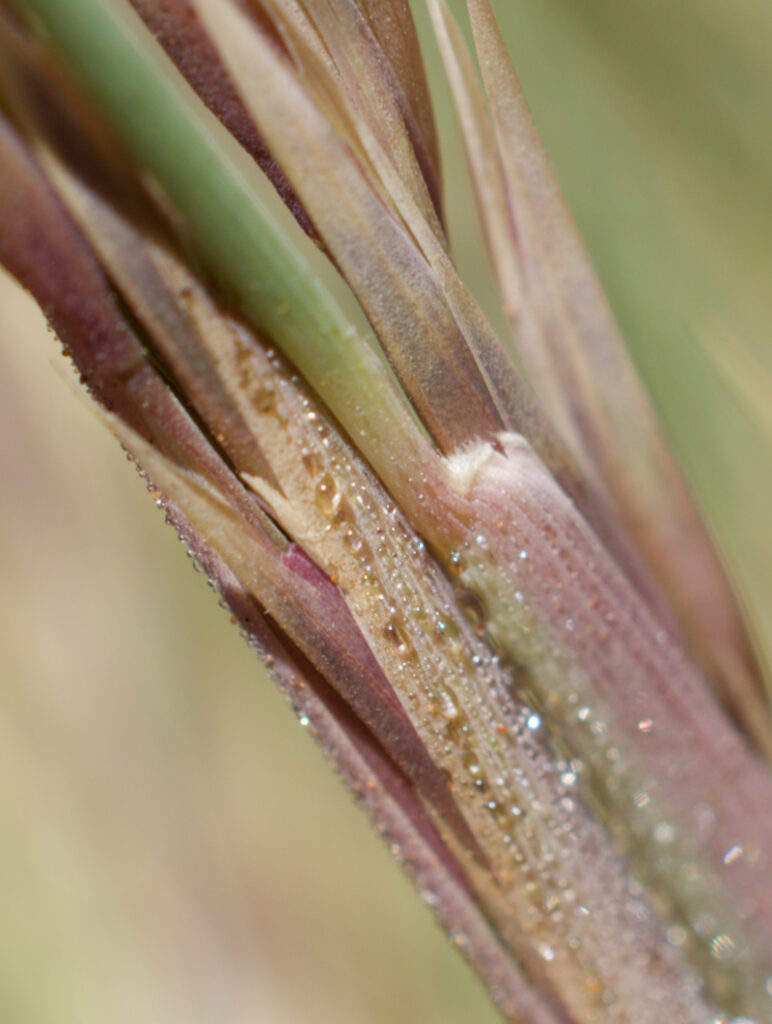
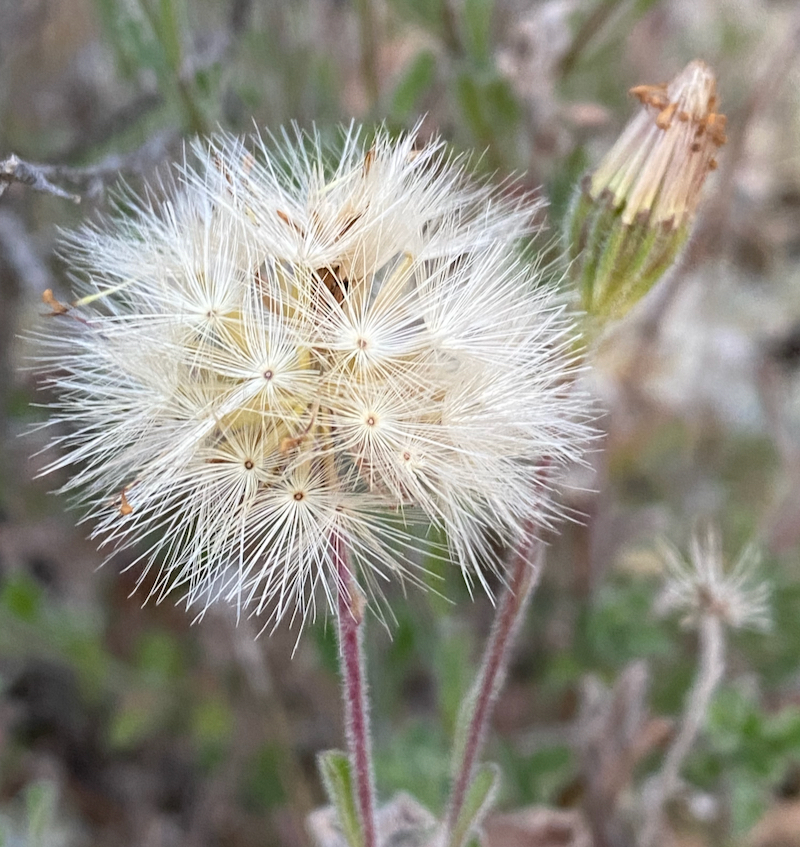
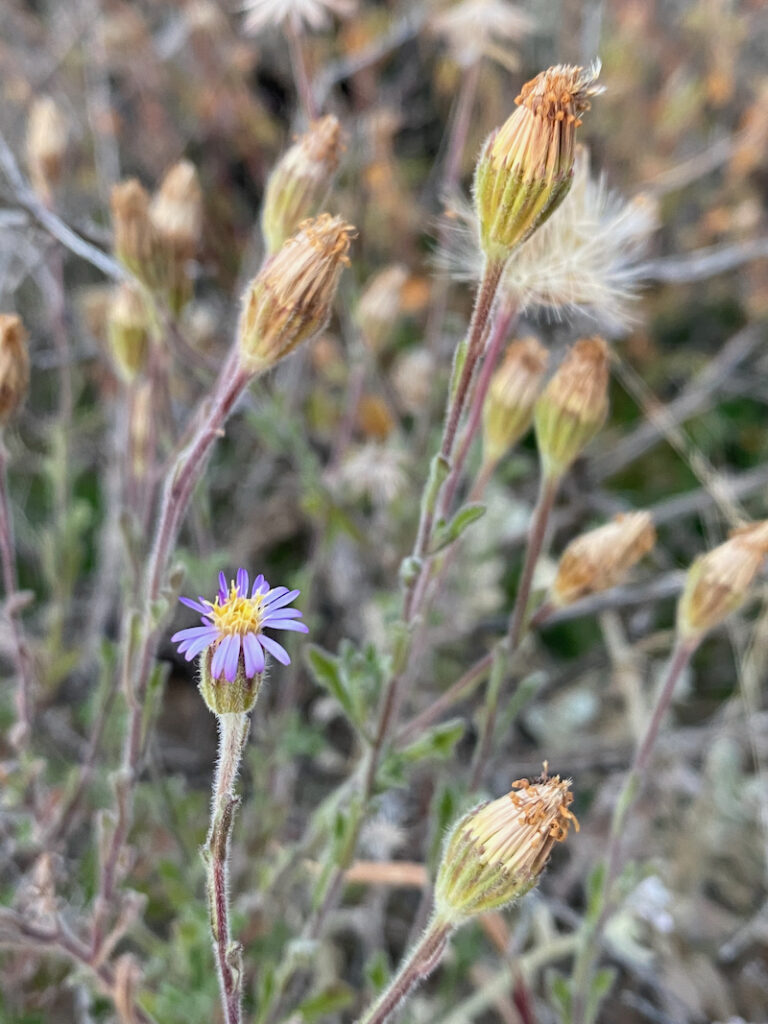
New Holland Daisy (Vittadinia cuneata) flowering and seeding on clay plains near Copley in winter.
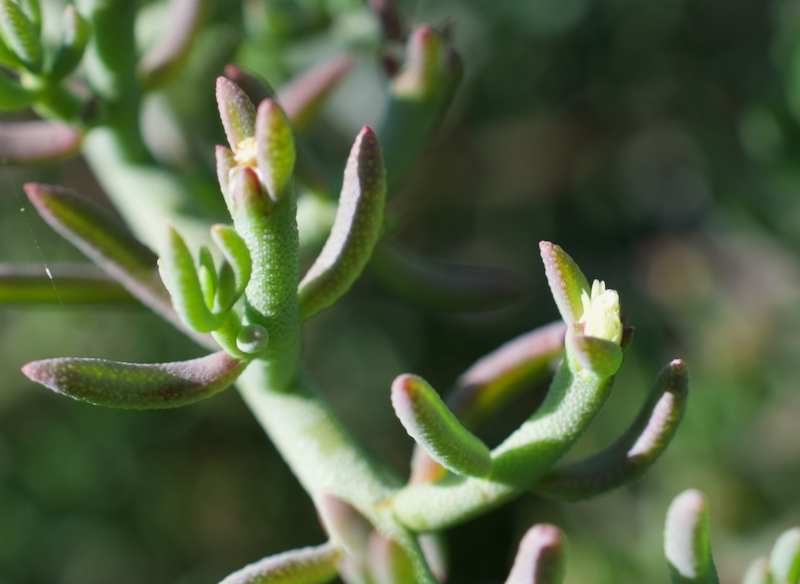
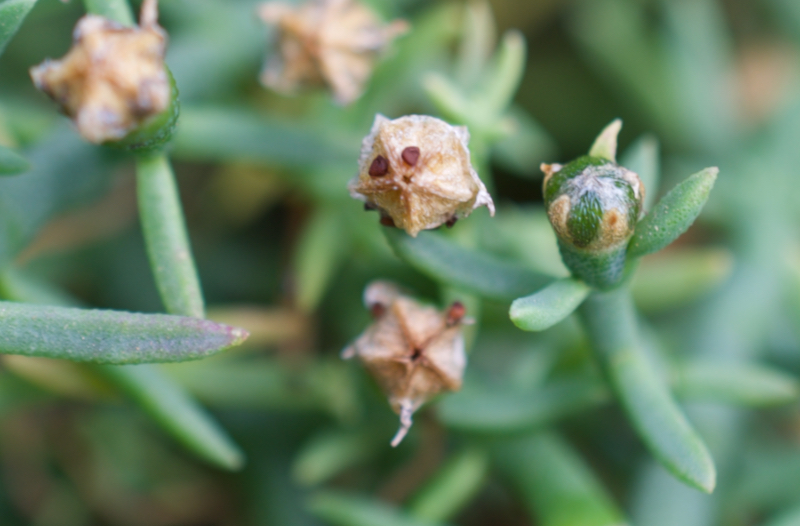
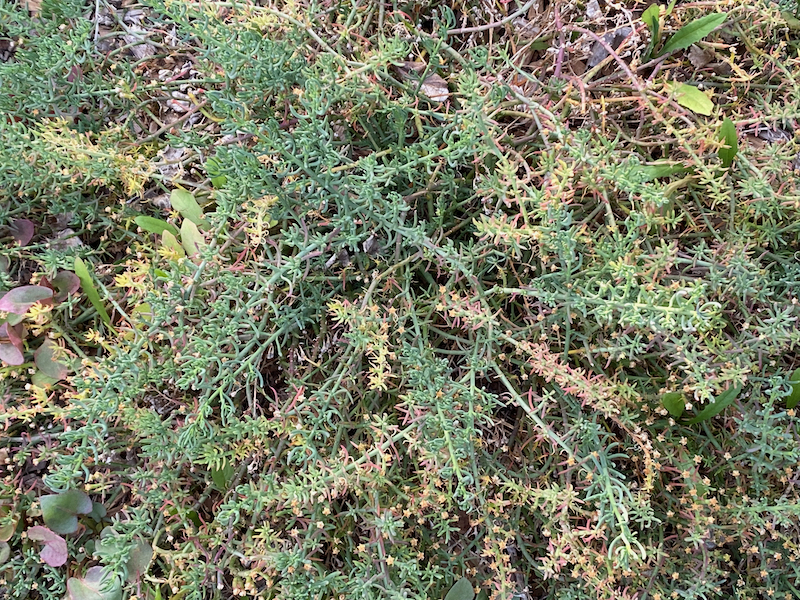
Introduced species Psilocaulon granulicaule, the succulent Wiry Noon-flower, flowering, fruiting and seeding in Copley in winter.