
Small Melilot (Melilotus indicus), is native to Northern Africa, Europe and Asia, and a naturalised annual herb and weed in South Australia. It is occurring in dense stands at Copley Retention Dam after rains.
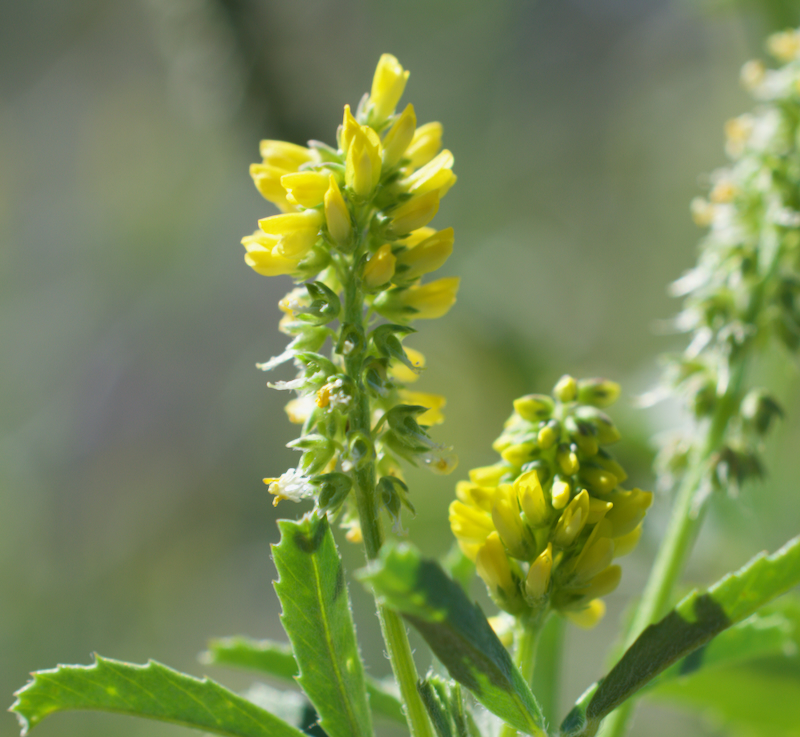
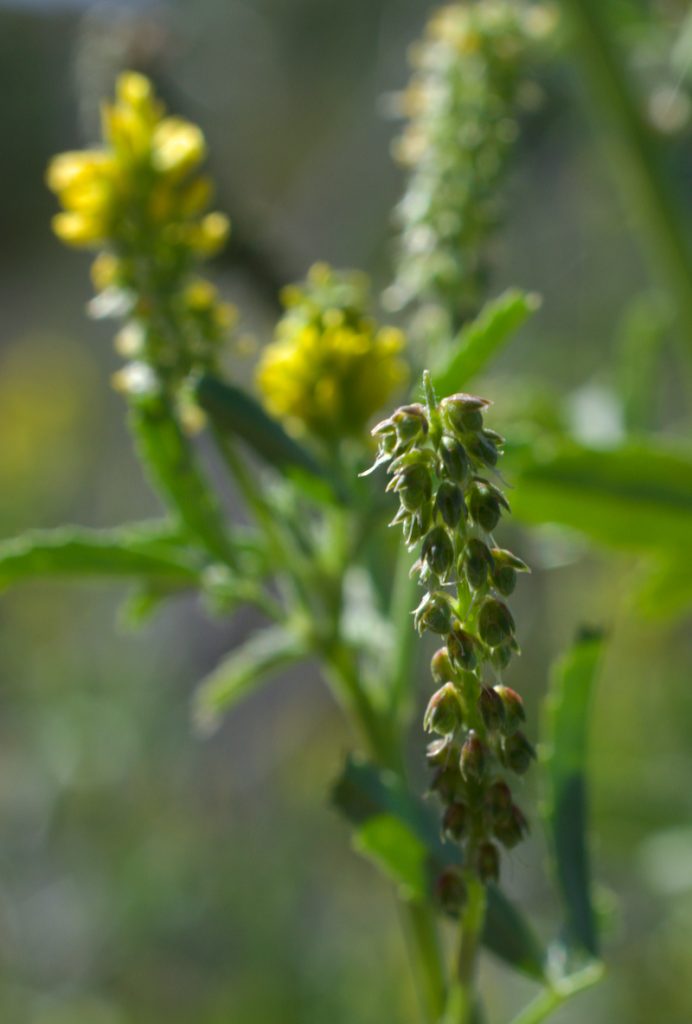
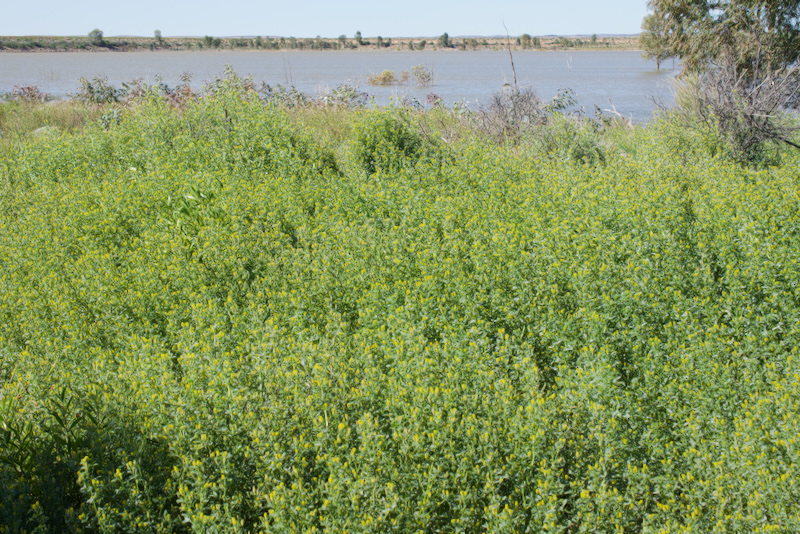
Small Melilot (Melilotus indicus), is native to Northern Africa, Europe and Asia, and a naturalised annual herb and weed in South Australia. It is occurring in dense stands at Copley Retention Dam after rains.
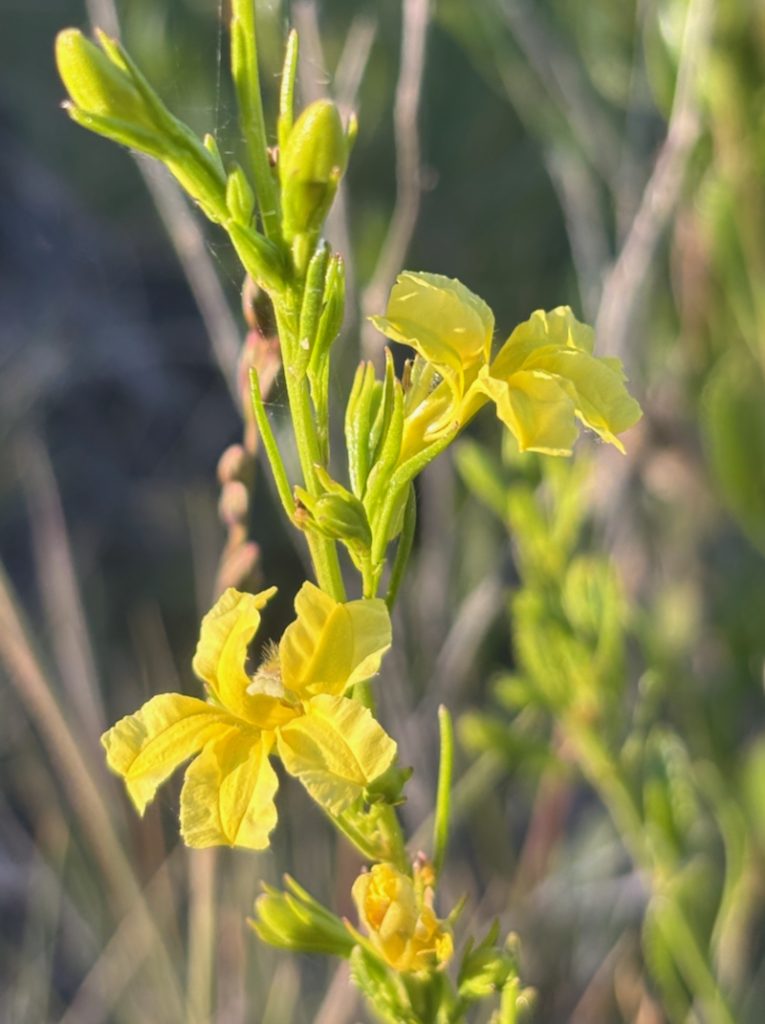
Goodenia vernicosa, the Wavy Goodenia, flowering on the rocky slopes of Maynards Well Station in the Northern Flinders Ranges. The serrates leaves have a sticky, waxy coating. Plants growing to appoximately 90cm.
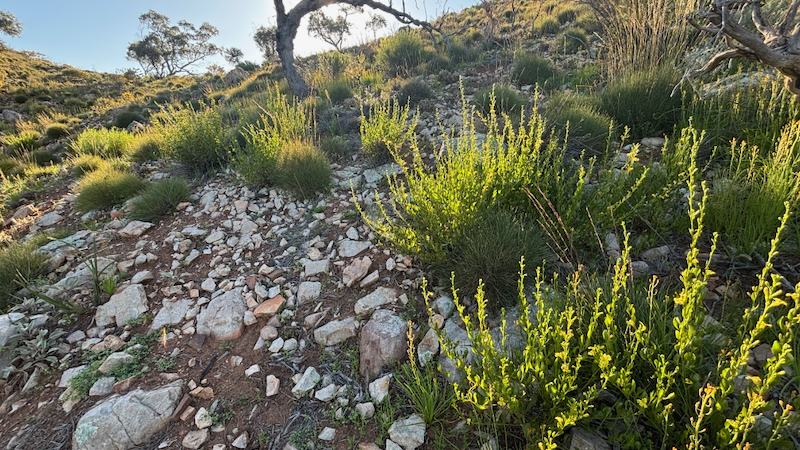
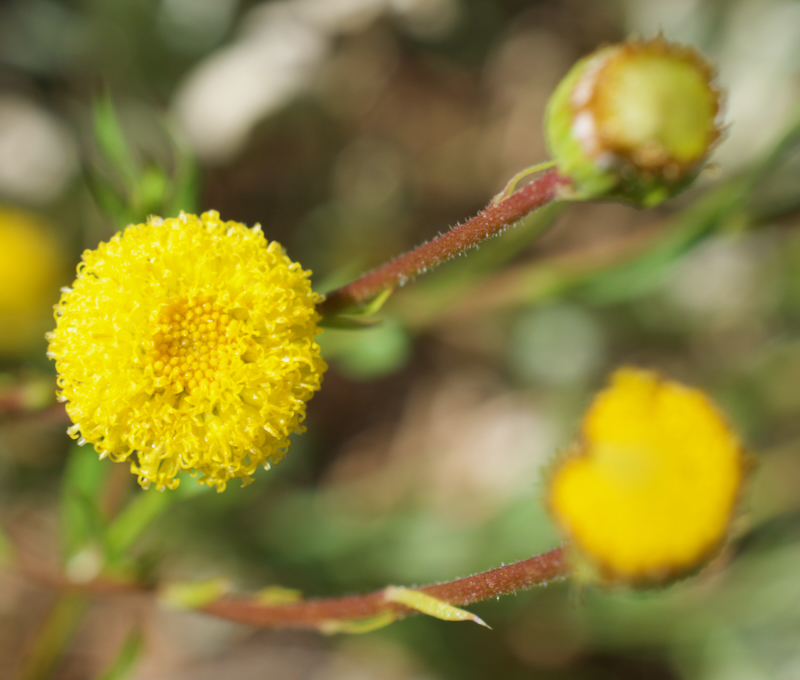
Leiocarpa leptolepis, the Pale Plover-daisy, flowering at Lyndhurst in winter.

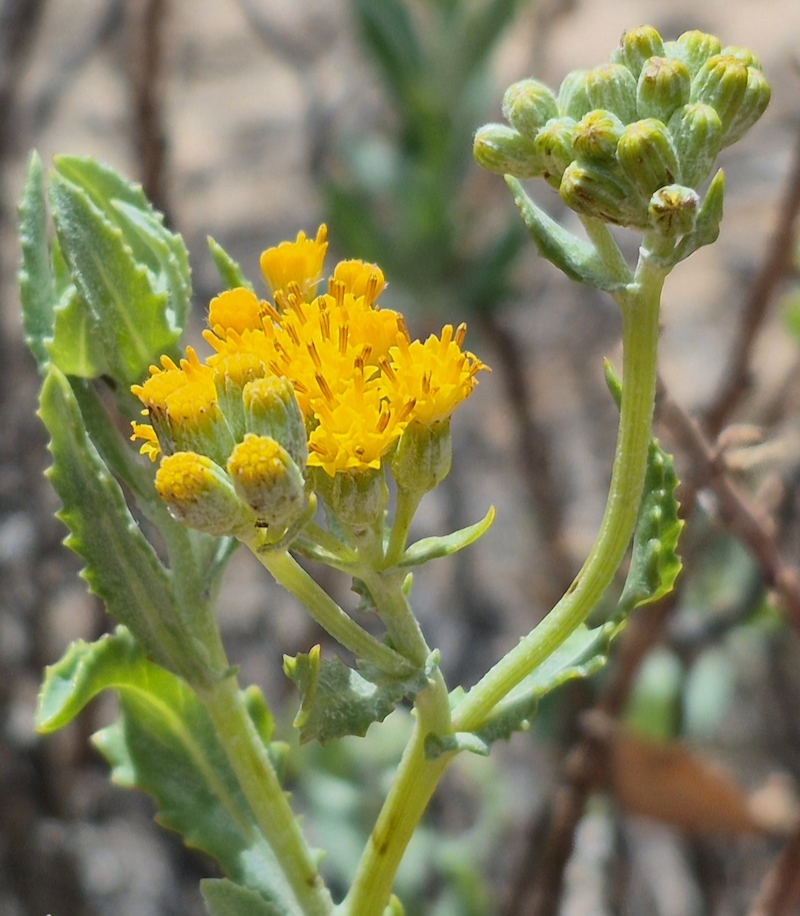
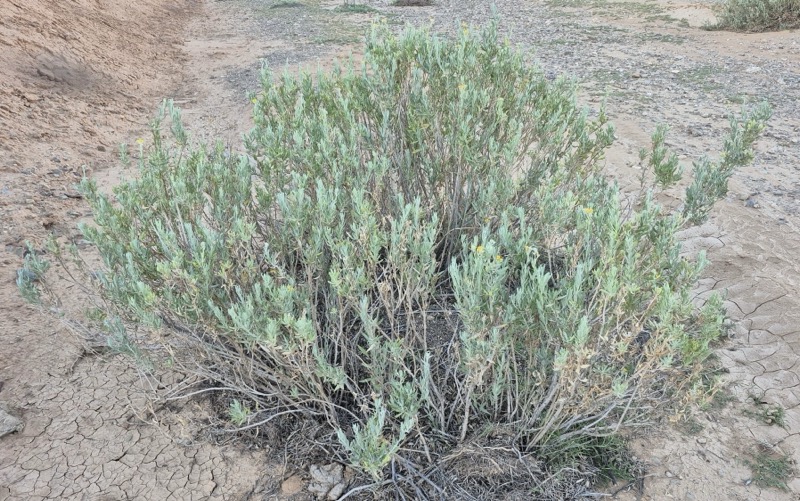
Senecio lanibracteus, the Inland Shrubby Groundsel, flowering in eroded gullies in Copley, northern Flinders Ranges.
Anemocarpa podolepidium, known as Rock Everlasting, flowering near Farina in winter.
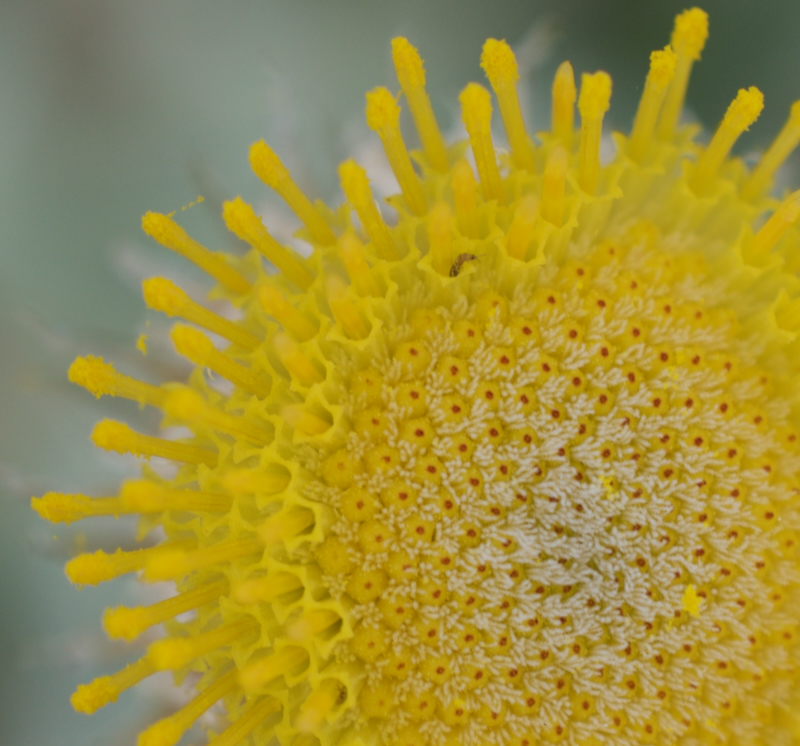
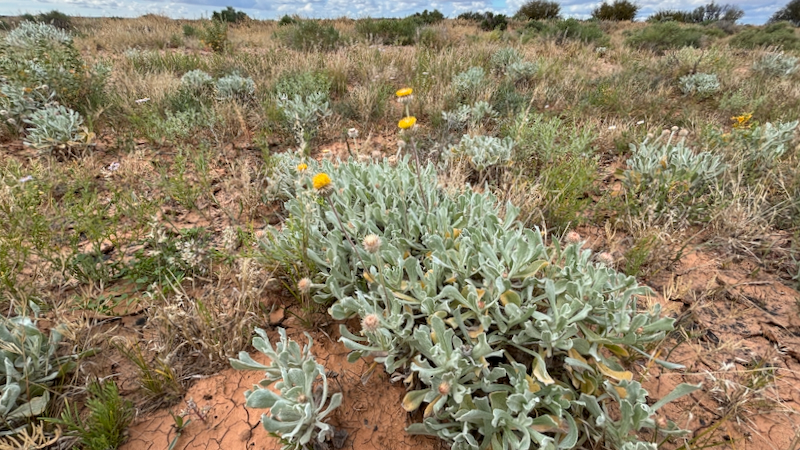
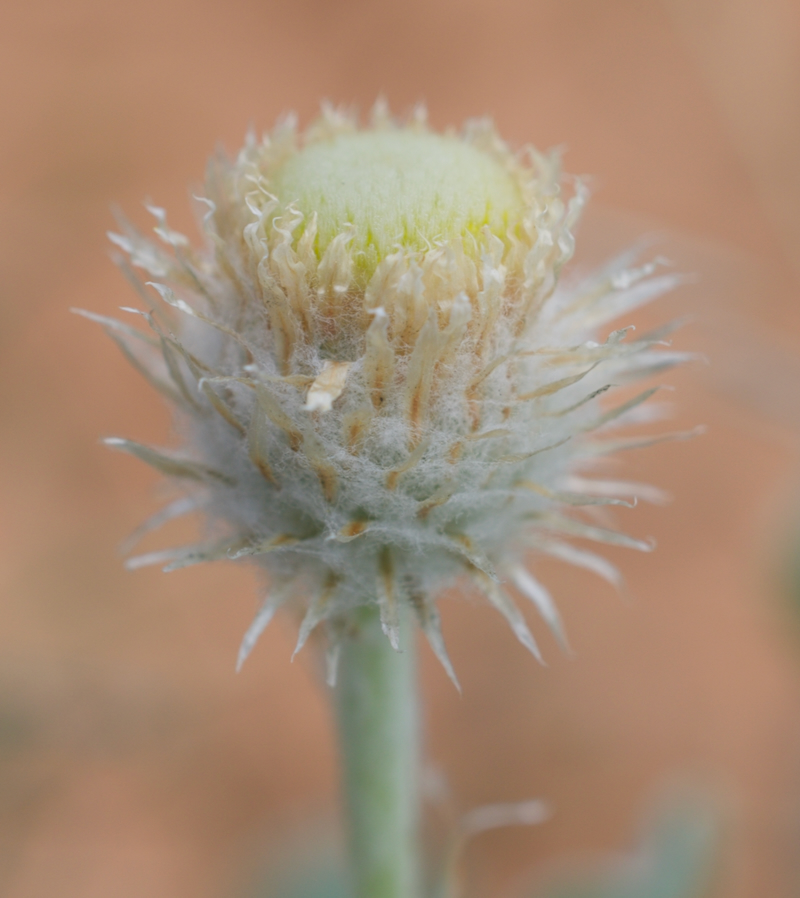
Australian St Paul’s Wort, Sigesbeckia australiensis, growing in damp crevices of Italawi Gap after rains.

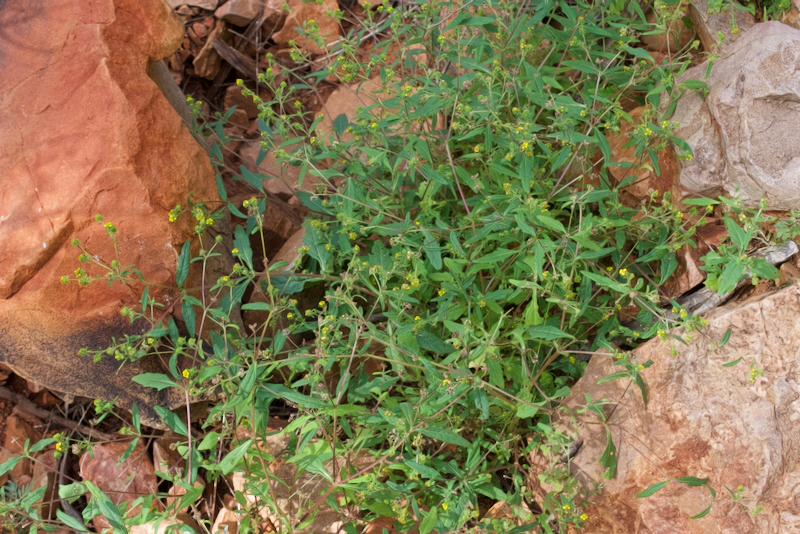
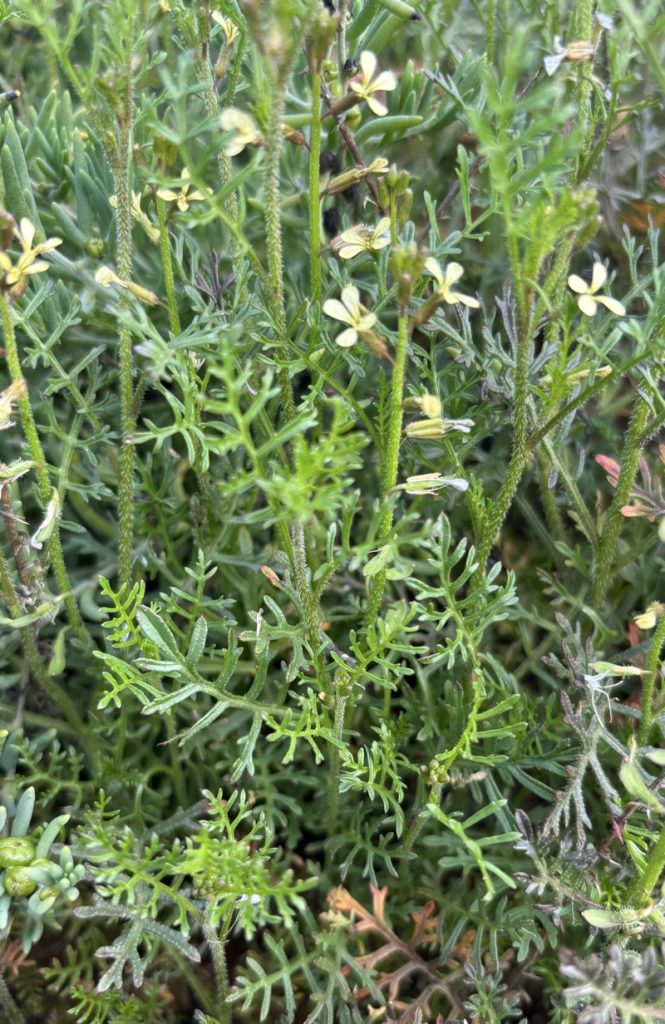
Carrichtera annua, Ward’s Weed, is an introduced brassica growing throughout the Flinders Ranges.
Dittrichia graveolens, known as stinkwort or stinking fleabane, is native to southern Europe, North Africa, and western Asia, now naturalized in Australia. It is considered and noxious weed and invasive species in some places. It can damage the digestive tracts of grazing animals and contact can cause severe dermatitis in humans. Seen flowering in gullies and creeks in the north Flinders Ranges during autumn.

