Solanum quadriloculatum also known as the Felted Nightshade or Wild Tomato, flowering in Copley in October.

Solanum quadriloculatum also known as the Felted Nightshade or Wild Tomato, flowering in Copley in October.
The Stemless Thistle (Onopordum acaulon) is a weed native to the Mediterranean. Seen flowering along the edges of a creekbed in the northern Flinders Ranges in October.

Extinct in NSW, the Slender Bellfruit (Codonocarpus pyramidalis) is endangered in SA, found scattered around the Flinders Ranges. Also known as Desert Poplar. Read more about this fascinating tree in our featured essay The Bellfruit Book: Research into the mysterious endangered tree of the North Flinders Ranges.


Pterocaulon sphacelatum, commonly known as Applebush or Fruit-salad Plant is an aromatic perennial found in the Flinders Ranges.

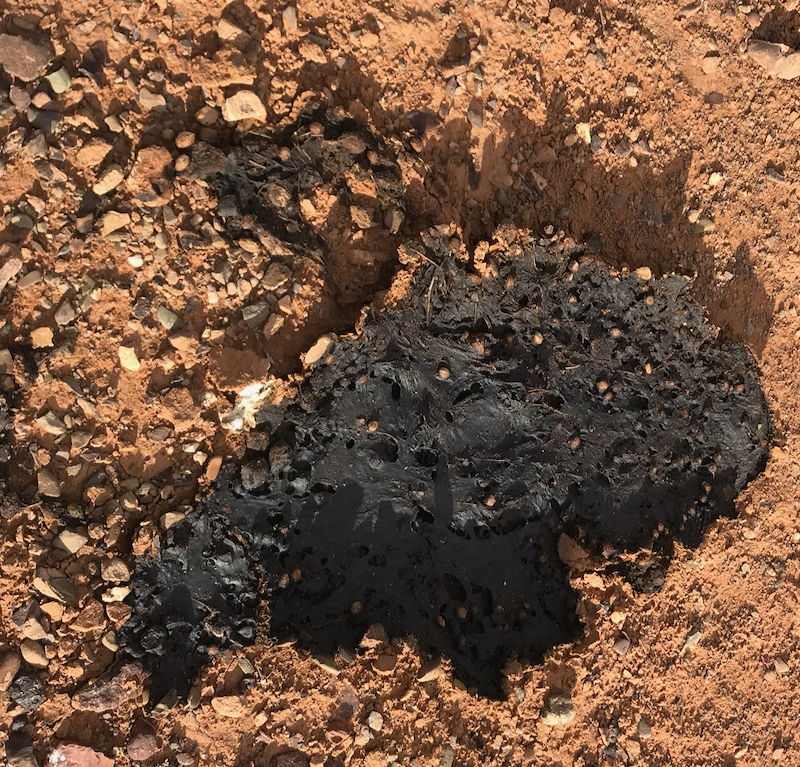
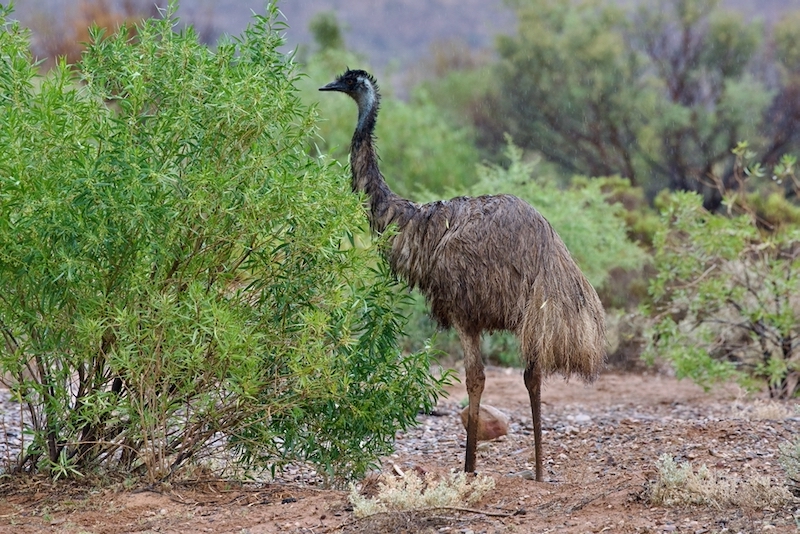
The diverse Emu diet includes the seeds of a wide range of plants in the Flinders Ranges including Sandalwood, Quandong, Nitrebush, Eremophilas, Myoporum and Ruby Saltbush. Emus carry seeds in their gut from 3 hours to 10 months (depending on the type of seed) and can walk 13.5 km daily, making them significant agents of seed dispersal.
Also known as the Clustered Sea-heath, Frankenia serpyllifolia grows about 30cm in heavy clays and gibber plains, seen here flowering in October near Copley in the northern Flinders Ranges.


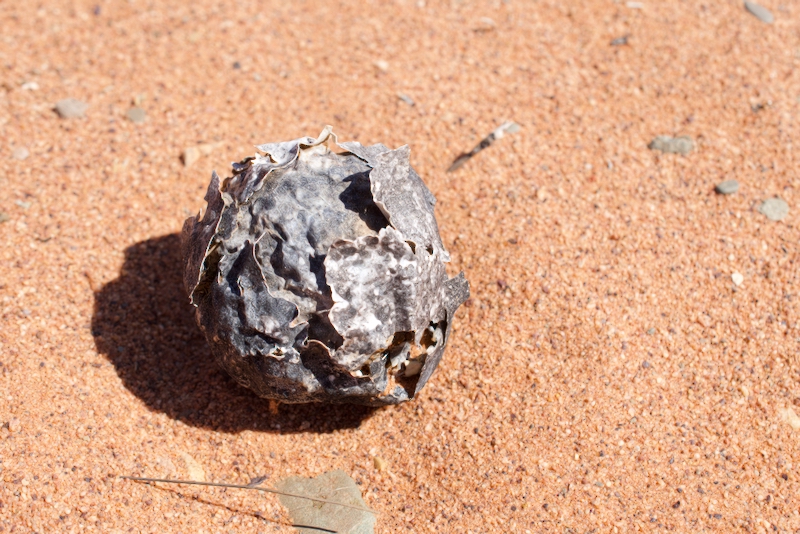
Also commonly known as Paddy Melon, Camel Melon (Citrullus amarus) was introduced to South Australia with camels in the 19th century. Though related to squash, gourds and melons, Camel Melon is not generally eaten. The fruit (approximately 8cm wide), dries into a resilient seed casing, leading to a proliferation of this plant in various harsh outback conditions, including sand dunes.
Dodonaea viscosa, the Sticky Hop-bush, has winged fruits which are covered with a protective sticky resin. Sap sucking aphids feeding on these fruits are farmed by ants for their ‘honeydew’ secretions.

Gunniopsis tenuifolia, the Narrow-leaf Pigface, growing in sand around the Cutaway outcrop to the south of Copley, northern Flinders Ranges. They are uncommon and endemic to South Australia, growing between Leigh Creek and the Painted Desert to the north of Coober Pedy.


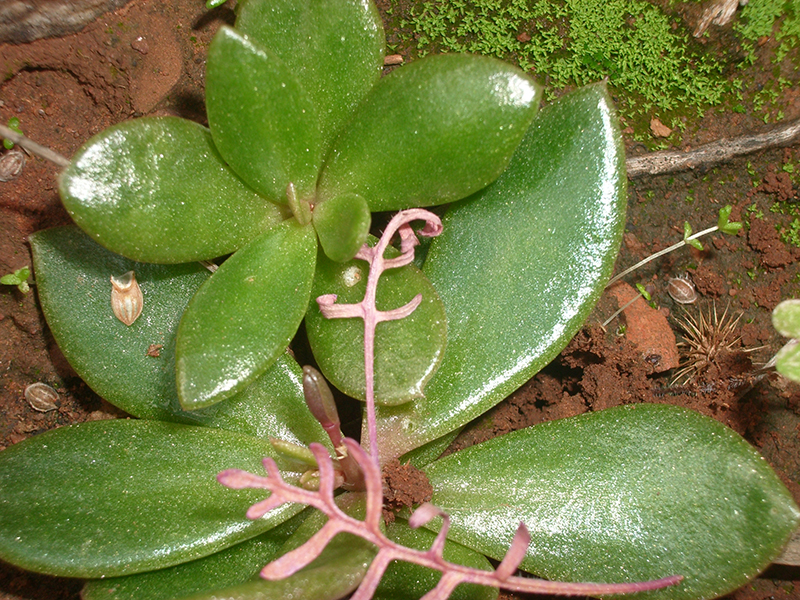
Woolly Anacampseros (Anacampseros australiana) growing in Buckaringa Gorge in the southern Flinders Ranges. Also observed growing on the rock faces of Mambray Creek.