

Lightning strike on Mt Coffin
Ant constructions observed directly after summer flooding in the Northern Flinders Ranges.


Female Orchard Swallowtail Butterfly (Papilio aegeus aegeus) seen around citrus plants which are host plants to caterpillars, in Copley, Northern Flinders Ranges.

Australian Lesser Wanderer Butterfly (Danaus petilia) and caterpillar feeding on cultivated Milkweed in the Copley, Northern Flinders Ranges in January.


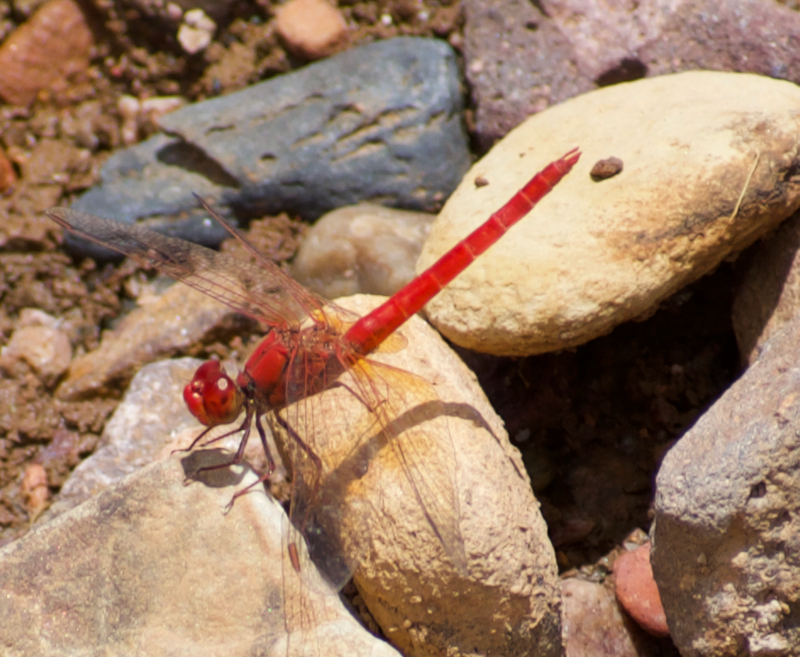
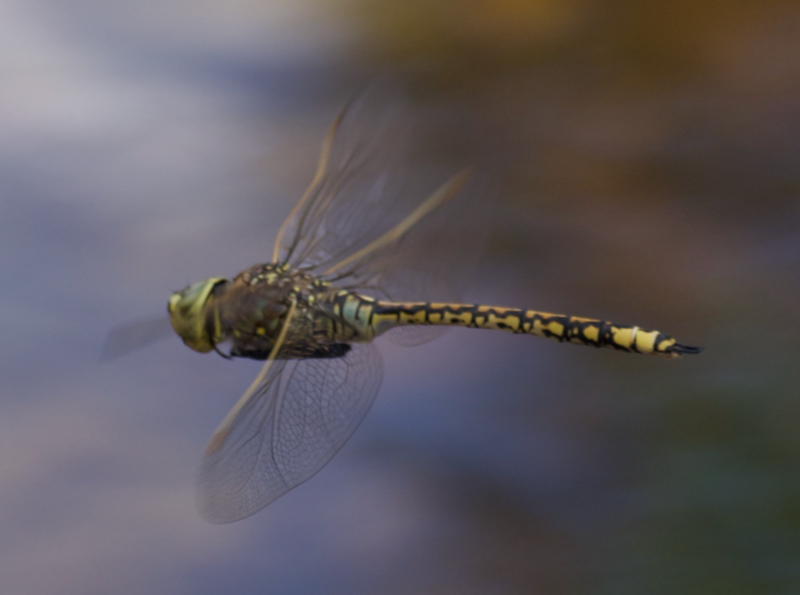
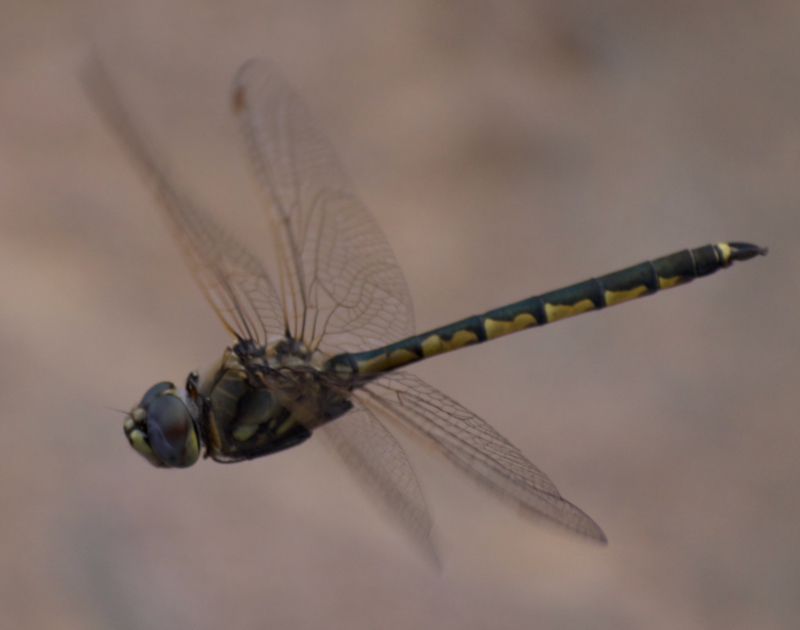
Dragonflies at Stubbs Waterhole, Arkaroola, in December.
The Two-spotted Line-blue Butterfly is common to arid lands such as the Flinders Ranges, with Acacia species such as the Western Myall, Mulga and Dead Finish providing food for larvae.


The Iga tree (Capparis Mitchellii) is seen flowering in the northern Flinders Ranges and Gammon Ranges in summer. The Iga a food source for the White Caper Butterfly larvae.
A member of the Capparaceae family, the flowers are among the largest and showiest seen in the area. Budding is profuse and staggered through the flowering season.
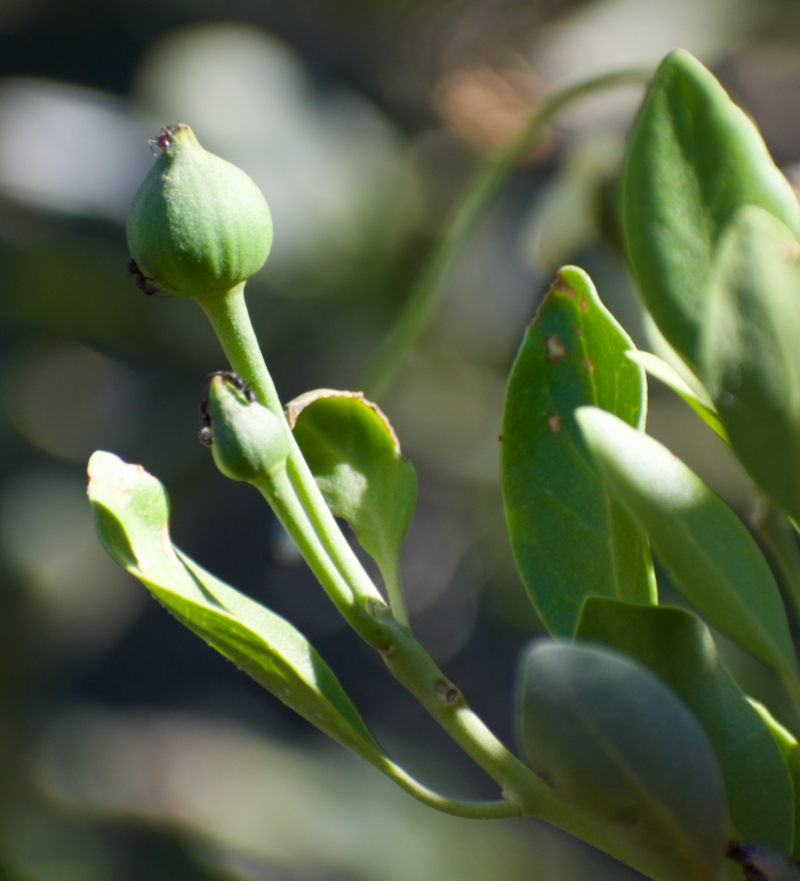
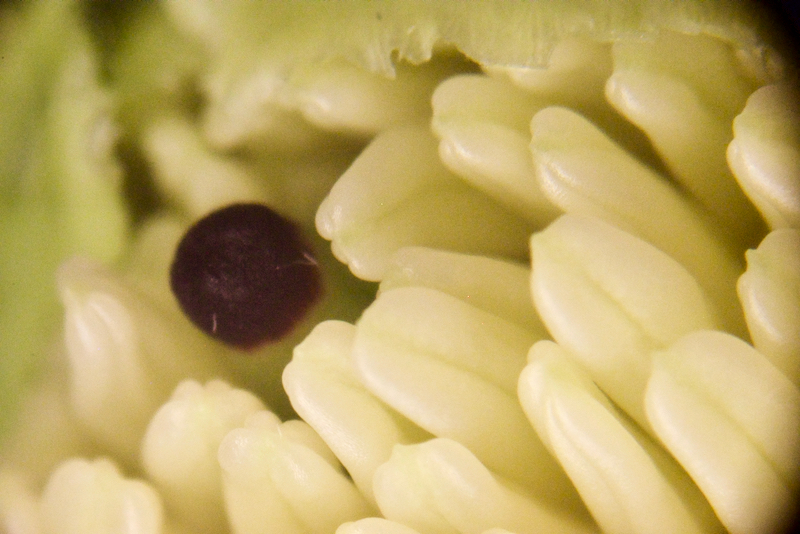
Stamens (male) and stigma (female) developing in the bud (magnification 20x).
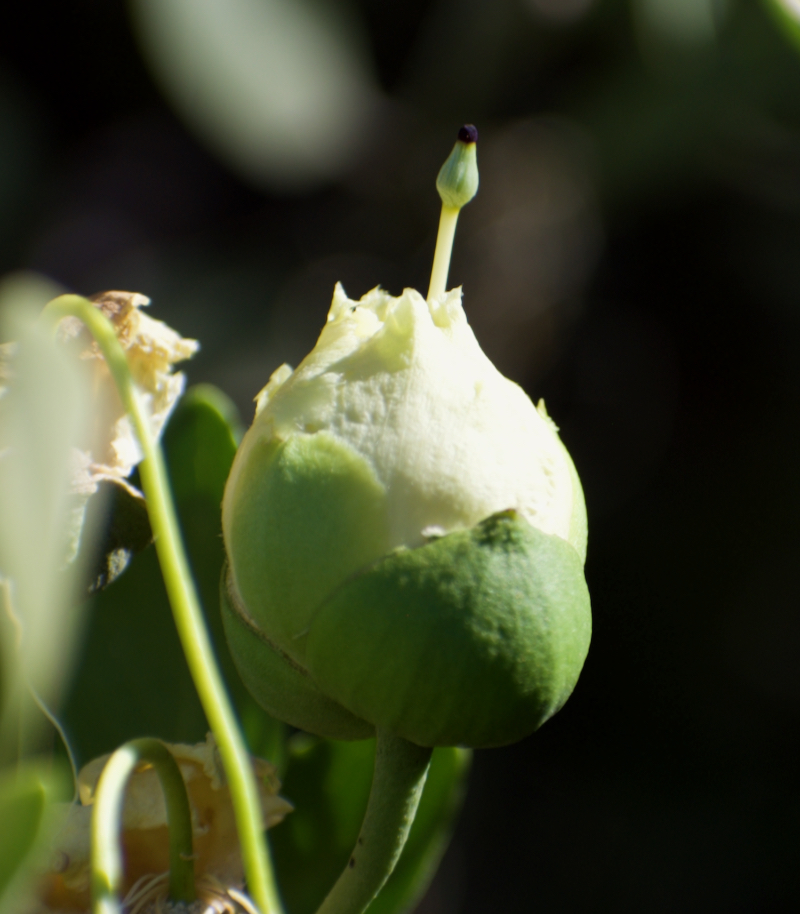
A stigma emerges from an opening bud.
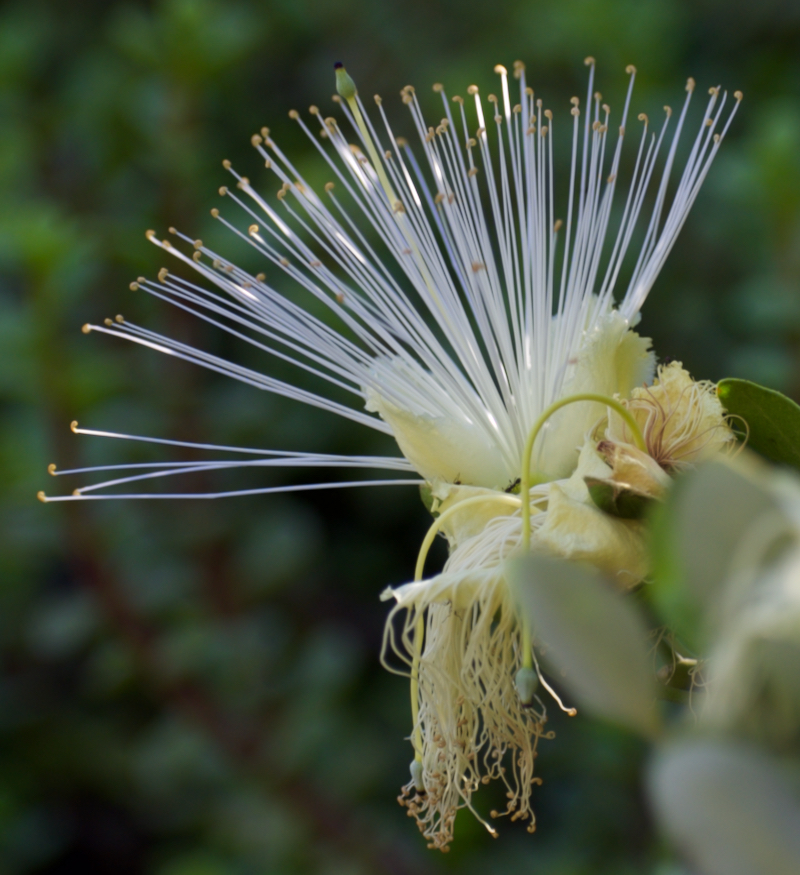
Petals open to a dazzling array of stamens (approximately 50mm long) with the stigma held high, holding their form for sometimes only a single day in the summer heat.
Willy Wagtail nest finely tethered to a grapevine in Copley, Northern Flinders Ranges, containing one egg in December.

