Dodonaea lobulata, the Lobe-leaf Hopbush, grows 1-3m in the Flinders Ranges. Three-winged fleshy fruit is distinctive while flowers are small and without petals.


Dodonaea lobulata, the Lobe-leaf Hopbush, grows 1-3m in the Flinders Ranges. Three-winged fleshy fruit is distinctive while flowers are small and without petals.
Native Oxalis (Oxalis perennans), or Native Sorrell, flowering in the central Flinders Ranges.

Likely to be an Eastern Bandy-bandy (Vermicella annulata), this 20cm snake was found wrapped in a spider’s web in Beltana in the Northern Flinders Ranges.

Austral Trefoil, Lotus australis, related to the more common Red-Flowered Trefoil, Lotus cruetus. Seen flowering and seeding near Copley in October.

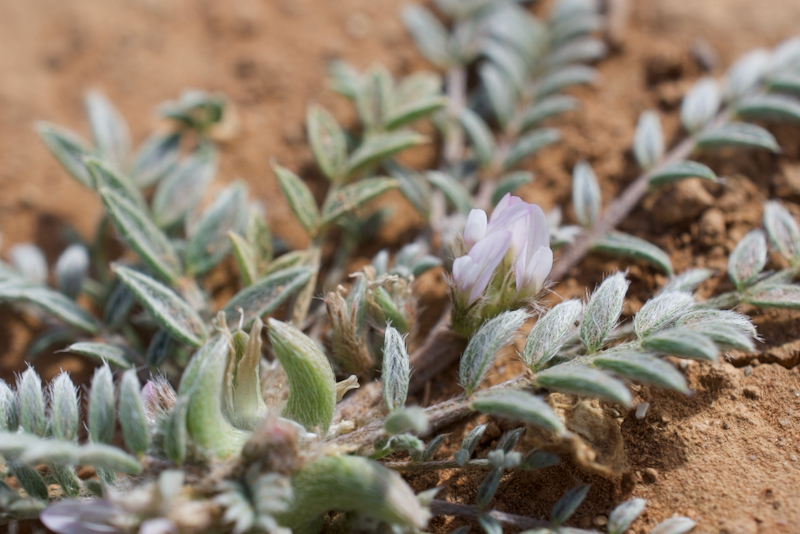
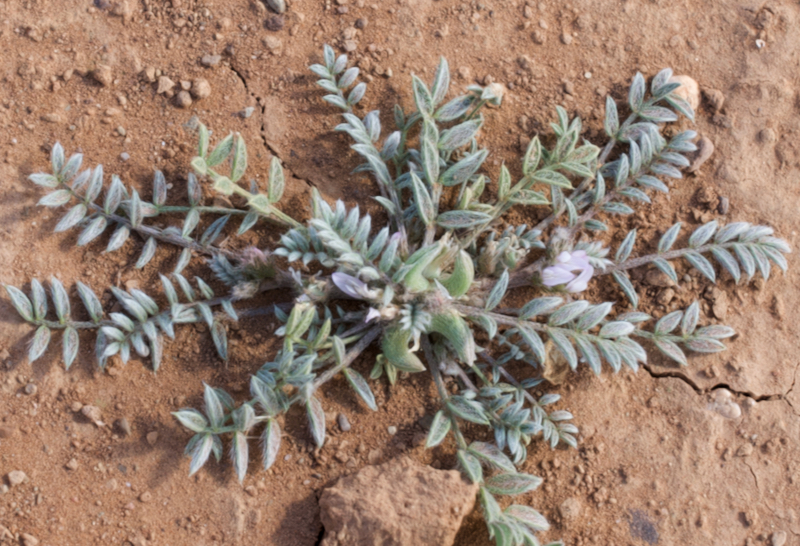
Swainsona minutiflora is a vulnerable species. Sparsely recorded sightings have been recorded between Marree and Marla, observed on the Copley commons from winter to spring. Flowers are a tiny 2-3mm, with the plant growing to around 12cm wide.

The eye-catching Wood White Butterfly (Delias Aganippe), also known as the Red-Spotted Jezebel Butterfly has emerged in the Northern Flinders Ranges in the warm air of early spring. The larvae were observed in May, and the pupae were observed in late June.


These two reptile scats, each about 10cm long, were deposited on sand in early spring, as reptiles began emerging from winter hibernation. Reptile scat is identifiable by feces with a white cap of uric acid and potassium salts – an adaptation for ejecting nitrogenous wastes without the need to expel fluids through urination. The diet of this reptile, likely a goanna, appears to be insectivorous.


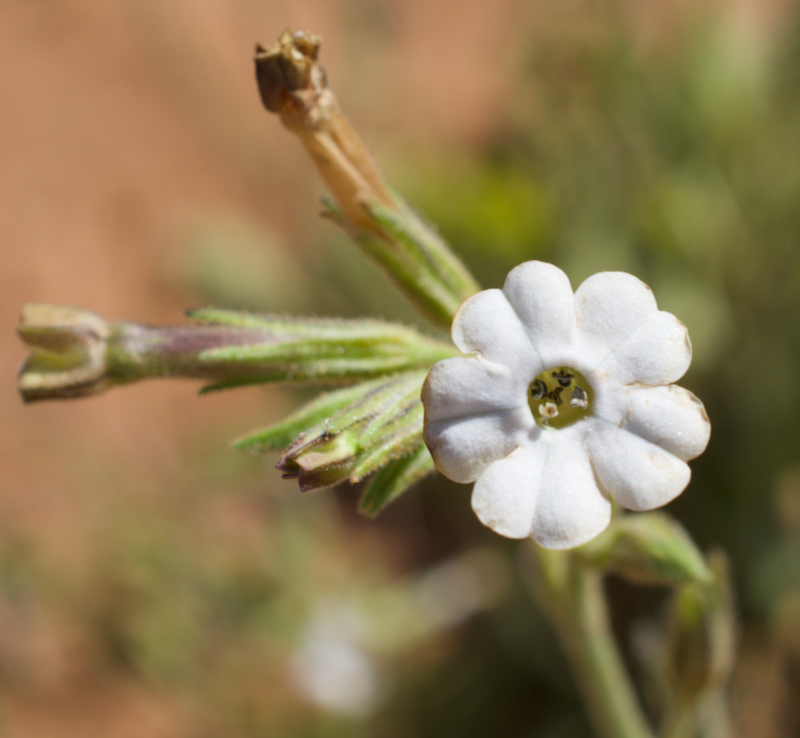
Velvet Tobacco (Nicotiana velutina) flowering near Lyndhurst in spring.